
Last Updated on February 18, 2026 by Fatima Zahrae
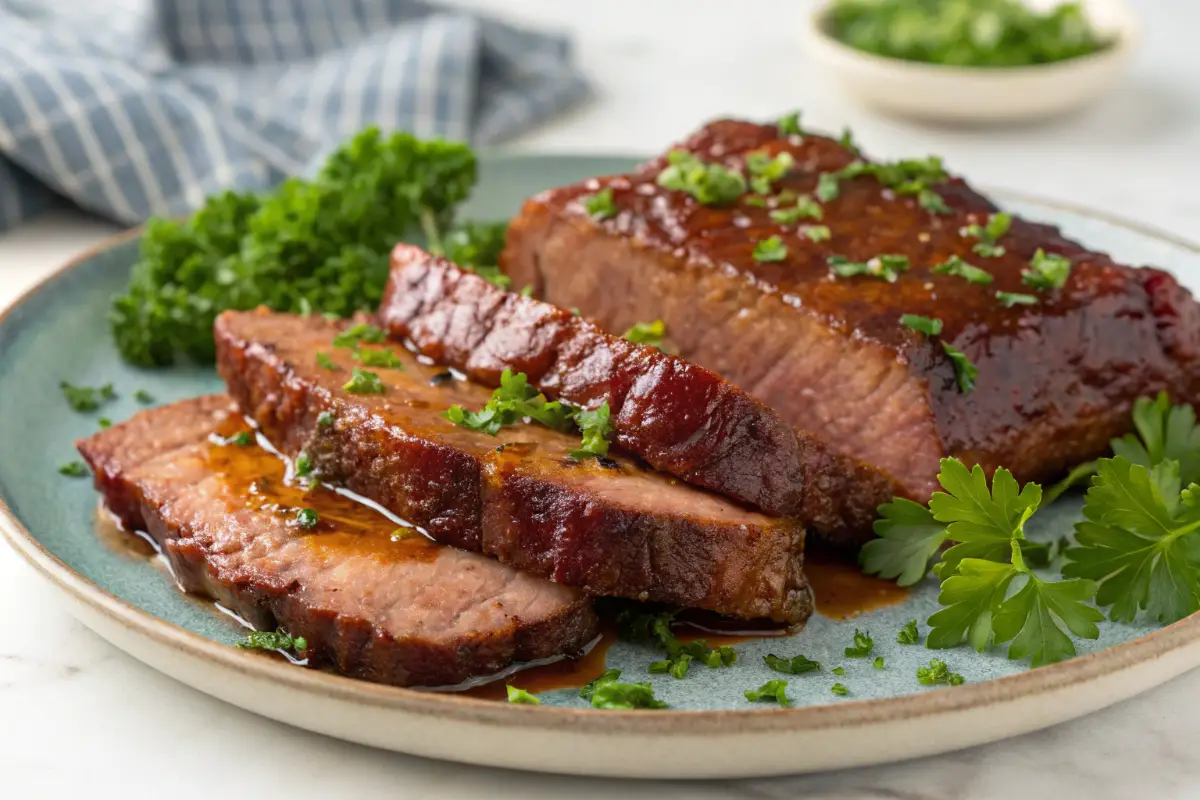
There is something undeniably magical about the smell of spices and simmering meat filling up my tiny Brooklyn apartment on a chilly March afternoon. It instantly transports me back to childhood dinners where the table was crowded with laughing relatives and plates piled high with comfort food. While many people stick to the traditional boiled version of this classic dish, I decided years ago to shake things up by creating a brown sugar glazed corned beef that balances salty, savory notes with a sticky, caramelized sweetness. This isn’t just a St. Patrick’s Day staple anymore; it has become my go-to festive dish for any occasion where I want to impress guests without spending all day hovering over the stove. The flavor profile is an absolute dream, featuring tender slices of beef coated in a glossy, amber-hued glaze that crackles slightly when you cut into it. It is rich, deeply satisfying, and surprisingly easy to make right here in my New York kitchen.
Table of contents
Why This Recipe Works So Well
You might be wondering why you should bother making a glaze when the traditional boil is so common. Let me tell you, this method changes the game entirely! Here is why this specific approach stands out in my cookbook and my weekly meal rotation:
- Flavor Balance: The natural saltiness of the cured beef meets the deep molasses notes of brown sugar, creating a complex taste bud experience that simple boiling cannot achieve.
- Texture Contrast: While the inside remains incredibly tender and juicy, the exterior develops a delightful, slightly chewy crust that adds textural interest to every bite.
- Visual Appeal: That glossy, dark golden finish makes for a stunning centerpiece on any dinner table, looking like it came straight from a high-end deli.
- Perfect Pairing: This dish pairs beautifully with traditional sides. If you love the classic combo, you can serve it alongside my favorite Corned Beef and Cabbage Recipe for a complete holiday feast.
My Secrets for a Perfect Glaze
Getting that glaze to stick without burning the sugar can feel a bit tricky if you have never done it before, but I have got you covered with some foolproof advice from my years of testing in the kitchen.
First and foremost, patience is your best friend when applying the glaze. Do not slather it on at the very beginning of the cooking process, or you will end up with a burnt, bitter mess. Instead, wait until the meat is nearly fully cooked and tender. This allows the sugars to caramelize gently under the heat without scorching. Another huge tip is to pat the surface of the meat completely dry with paper towels before brushing on your mixture. Moisture is the enemy of a good sear, and a dry surface ensures the glaze adheres properly and creates that beautiful lacquered look. Finally, keep an eye on your oven temperature during the final stage. Every oven runs a little differently, so if you notice the edges darkening too quickly, tent the meat loosely with foil to protect it while the flavors meld together.
Variants of the Recipe
While I absolutely adore the classic combination of brown sugar and mustard, the beauty of cooking lies in experimentation. You can easily tweak this recipe to suit different palates or to use ingredients you already have in your pantry. Here are a few of my favorite twists that keep this dish exciting year after year.
The Spicy Maple Kick For those who love a little heat with their sweetness, swap half of the brown sugar for pure maple syrup and add a generous teaspoon of cayenne pepper. The smokiness pairs beautifully with the curing spices in the beef, while the maple adds a distinct earthy sweetness that feels very autumnal. This version creates a darker, richer glaze that has a slow-building warmth perfect for cold winter nights.
The Zesty Citrus Twist If you want to brighten up the heavy richness of the beef, incorporate fresh orange zest and a splash of balsamic vinegar into your glaze mixture. The acidity cuts through the fat of the meat, providing a refreshing contrast that makes each bite feel lighter. This variation works particularly well if you are serving this dish in the spring when citrus fruits are still in season.
The Seafood Alternative Not everyone eats beef, and that is okay. If you have guests who prefer seafood, you can create a similar glaze profile for a large roast or even try it on shrimp for a quicker meal. For a quick seafood fix, check out my Honey Garlic Shrimp Recipe which uses a similar sweet and savory balance but cooks in minutes.
Serving Suggestions
Presenting this dish is half the fun, and I love surrounding the glistening slices of beef with colorful sides that soak up that delicious glaze. Imagine a platter where the deep mahogany meat is nestled against a bed of creamy mashed potatoes flecked with chives. Alongside, arrange roasted baby carrots and parsnips that have been tossed in thyme and olive oil until they are tender. For a brunch spread, this beef pairs surprisingly well with lighter items like my Cottage Cheese Pancakes for a sweet and savory morning feast. Garnish the main platter with fresh parsley or rosemary sprigs to add a pop of green that makes the whole spread look inviting and festive.
Storage and Reheating Instructions
Leftovers of this glazed beauty are practically a gift to your future self. To store, let the meat cool completely before slicing it or keeping it whole, then wrap it tightly in plastic wrap or place it in an airtight container. It will stay fresh in the refrigerator for up to four days. When you are ready to reheat, avoid the microwave if possible, as it can make the meat tough and ruin that lovely glaze. Instead, place your slices in a baking dish with a splash of beef broth, cover with foil, and warm in a 300-degree Fahrenheit oven until heated through. This method steams the meat gently, preserving its tenderness and reviving the sticky exterior without drying it out.
Creative Uses for the Recipe
Do not let those leftovers sit idle! One of my absolute favorite ways to use leftover brown sugar glazed corned beef is to make hearty hash for breakfast. Simply dice the meat and fry it up with diced potatoes, onions, and bell peppers until crispy. You can also use the diced beef to add depth to soups. If you love potato-based comfort foods, try adding chunks of this beef to a Hash Brown Potato Soup for a smoky, salty kick that transforms a simple soup into a full meal. Another fun idea is to chop it into small cubes and toss it into a pot of white bean soup for added depth and smokiness.
How Do You Make it
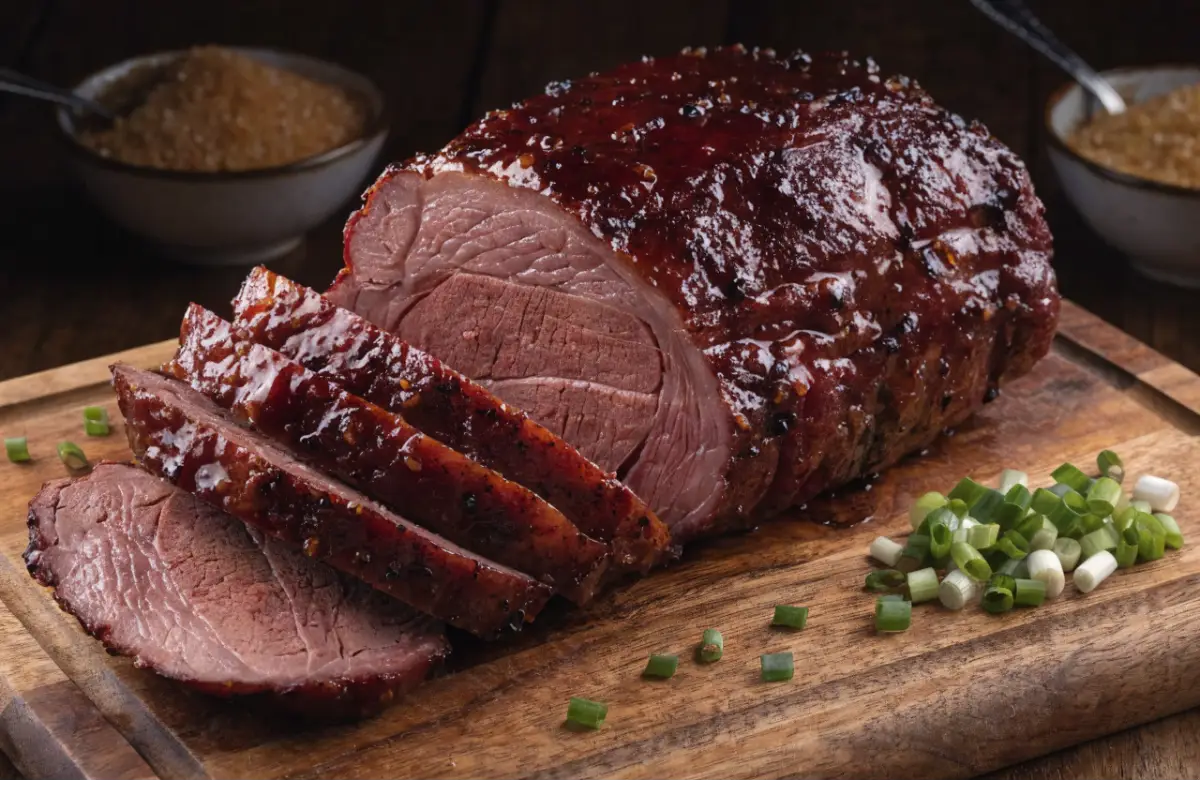

Brown Sugar Glazed Corned Beef
Get ready to fall in love with this brown sugar glazed corned beef, a sweet and savory masterpiece that transforms a traditional cure into a caramelized delight perfect for any gathering.
8
servings15
minutes3
hours30
minutes420
kcalKeep the screen of your device on
Ingredients
4.5 pounds corned beef brisket with spice packet
1 cup packed light brown sugar
0.25 cup Dijon mustard
2 tablespoons apple cider vinegar
1 tablespoon Worcestershire sauce
0.5 teaspoon black pepper
0.25 teaspoon ground cloves
1 large onion, quartered
4 cloves garlic, smashed
Directions
- Start by preheating your oven to 325 degrees Fahrenheit and grabbing a large Dutch oven or roasting pan with a tight-fitting lid.
- Place the corned beef brisket fat-side up into the pot and add the quartered onion and smashed garlic cloves around the meat.
- Open the included spice packet and sprinkle those aromatic spices over the beef and into the liquid.
- Pour in enough water to come about halfway up the sides of the meat, ensuring it does not submerge the top completely since we want that top to eventually caramelize.
- Cover the pot tightly and slide it into the oven to braise slowly for about three hours, or until the meat is fork-tender.
- While the beef is doing its slow dance in the oven, whisk together the brown sugar, Dijon mustard, apple cider vinegar,
- Worcestershire sauce, black pepper, and ground cloves in a small bowl until you have a thick, uniform paste.
- Once the three hours are up, carefully remove the pot from the oven and increase the temperature to 400 degrees Fahrenheit.
- Drain most of the cooking liquid from the pot, leaving just a thin layer at the bottom to prevent sticking, and pat the top of the brisket dry with paper towels.
- Brush a generous layer of your brown sugar glaze all over the top and sides of the meat, really working it into the nooks and crannies.
- Return the uncovered pot to the hot oven and bake for another 20 to 30 minutes, basting with more glaze halfway through, until the top is bubbly, dark, and sticky.
- Let the meat rest for fifteen minutes before slicing against the grain to serve.
Notes
- Always slice the beef against the grain to ensure maximum tenderness.
- If your glaze starts to darken too quickly, tent the meat with aluminum foil.
- Save the cooking liquid to use as a base for soups or boiling vegetables.
- For a thicker glaze, simmer the glaze ingredients in a saucepan for five minutes before brushing.
- This dish tastes even better the next day as the flavors meld together.
Nutrition Facts
- Total number of serves: 8
- Calories: 420kcal
- Fat: 22g
- Saturated Fat: 8g
- Cholesterol: 0.110mg
- Sodium: 0.1450mg
- Carbohydrates: 28g
- Fiber: 0g
- Sugar: 26g
- Protein: 32g
Like this recipe?
Follow @wikitasty on Pinterest
FAQS
Yes, you can! Cook the beef on low for 7-8 hours with the spices and water, then transfer it to a baking dish, apply the glaze, and broil in the oven for 10-15 minutes to caramelize.
This usually happens if it is undercooked or sliced with the grain. Ensure it cooks until fork-tender and always slice perpendicular to the muscle fibers.
Soak the raw brisket in cold water for a few hours before cooking, changing the water once or twice to draw out excess salt from the curing process.
You can use coconut sugar, maple syrup, or honey, though the flavor profile will shift slightly and the caramelization point may change.
It can be! Just verify that your Worcestershire sauce and Dijon mustard are labeled gluten-free, as some brands contain wheat.
Absolutely. Wrap the sliced meat tightly in freezer-safe packaging and freeze for up to three months. Thaw in the fridge before reheating.
A Little Story About This Dish
Growing up, St. Patrick’s Day meant one thing in our house: boiled beef and cabbage. It was tasty, sure, but it lacked a certain wow factor. It wasn’t until I moved to New York and started working in professional kitchens that I realized how versatile cured meats could be. I remember the first time I tried a glazed version at a trendy gastropub in the East Village. The contrast of the sweet crust against the salty meat blew my mind. I spent the next week experimenting in my own kitchen, tweaking ratios of sugar to acid until I found this perfect balance. Now, making this dish feels like a tribute to both my heritage and my culinary journey in this amazing city.
Let’s Connect!
I truly hope you give this brown sugar glazed corned beef a try for your next family dinner or holiday gathering. Cooking is all about sharing joy, and I would love to see how your version turns out! Snap a photo of your glistening brisket and tag me on social media, or drop a comment below telling me what sides you paired it with. Did you try the spicy maple variant? Let’s chat about it!
Conclusion
There you have it, friends! A complete guide to making the most incredible brown sugar glazed corned beef that is sure to become a new tradition in your home. Whether you are celebrating a holiday or just treating yourself to a spectacular Sunday dinner, this recipe delivers on flavor, texture, and pure comfort. Remember, the best meals are the ones shared with loved ones, so gather your family, pour a glass of something nice, and enjoy the fruits of your labor. If you loved this recipe, you might also enjoy my take on Slow-Cooker Pot Roast or my Herb-Roasted Root Vegetables. Happy cooking, and I cannot wait to hear all about your kitchen adventures!