
Last Updated on March 31, 2026 by Souhail
There is something undeniably satisfying about turning a handful of raw, colorful vegetables into a steaming bowl of comfort. I remember the first time I made Classic Pasta Primavera on a rainy Tuesday when my fridge was looking a little bare except for some lingering zucchini and bell peppers. That meal taught me that you do not need a complex plan to create something extraordinary; you just need good instincts and fresh produce.
This dish fits perfectly into your life as the ultimate solution for those hectic evenings when you crave something wholesome but lack the energy to cook for hours. It bridges the gap between a quick fix and a thoughtful, home-cooked meal that feels like a warm hug. The flavor profile is bright and lively, featuring crisp-tender veggies tossed in a silky, garlicky sauce that clings to every noodle.
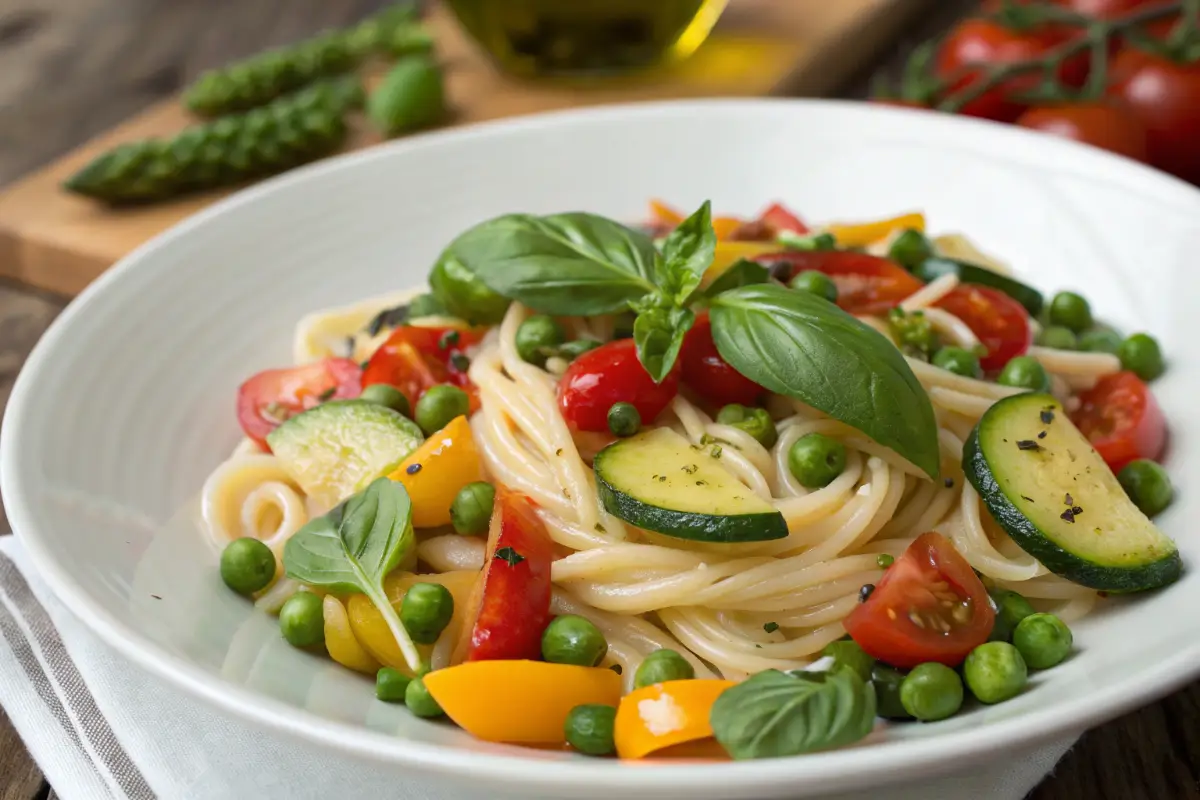
You will love how the vibrant greens, reds, and yellows of the vegetables pop against the pale pasta, making it as visually stunning as it is delicious. The aroma of sautéing garlic and fresh herbs fills the kitchen instantly, signaling that dinner is going to be special. This recipe proves that simple ingredients, when treated with respect and cooked with precision, yield restaurant-quality results right at your own table.
Table of contents
- Why Classic Pasta Primavera Stands Out From The Crowd
- Pro Tips For Flawless Pasta Primavera Every Time
- Make It Your Own: Delicious Variations On Primavera
- Perfect Pairings: Serving Suggestions For Your Primavera
- Keeping It Fresh: Storage And Reheating Guide
- Beyond The Bowl: Creative Ways To Use Primavera
- How Do You Make IT
- FAQS
- The Story Behind The Dish: A Celebration Of Spring
- Your Printable Shopping List
- Health Benefits Of Classic Pasta Primavera
- Final Thoughts On Your New Favorite Pasta
Why Classic Pasta Primavera Stands Out From The Crowd
What makes this version of Classic Pasta Primavera truly exceptional is the balance between simplicity and sophistication. I have tested countless methods, and this approach guarantees vegetables that retain their vibrant color and crisp bite while the sauce achieves a luxurious, velvety consistency without heavy cream. The secret lies in timing each component perfectly so everything comes together in one harmonious pan.
- Precision Cooking for Perfect Texture: Vegetables are sautéed in stages based on their density, ensuring nothing turns mushy while the pasta cooks to an ideal al dente finish.
- A Sauce That Clings, Not Slides: A light emulsion of pasta water, olive oil, and Parmesan creates a glossy coating that enhances every bite without weighing down the dish.
- Flexible and Forgiving: This recipe welcomes whatever seasonal produce you have on hand, making it a reliable weeknight favorite that reduces food waste.
If you are looking to adapt this dish for specific dietary needs, it is wonderfully versatile. For a vegan version, simply swap the Parmesan for nutritional yeast and use a plant-based butter alternative. Gluten-free pasta works beautifully here too; just be sure to rinse it well after cooking to prevent excess starch from altering the sauce texture.
Pro Tips For Flawless Pasta Primavera Every Time
Mastering this dish comes down to a few key techniques that elevate it from good to unforgettable. These tips are drawn from years of kitchen experience and will help you achieve that restaurant-quality finish at home.
- Salt Your Pasta Water Generously: This is your only chance to season the pasta itself; aim for water that tastes like the sea to ensure flavorful noodles from the inside out.
- Reserve One Cup of Pasta Water: The starchy liquid is essential for creating a silky sauce that binds the vegetables and pasta together without separation.
- Prep All Vegetables Before Heating the Pan: Primavera moves quickly once cooking starts, so having everything chopped and ready ensures you never miss a beat during the sauté process.
- Finish with a Splash of Acid: A squeeze of fresh lemon juice or a dash of white wine vinegar at the end brightens the entire dish and cuts through the richness of the cheese and oil.
These small details make a significant difference in the final outcome. For more guidance on building flavor layers in your cooking, you might find this Italian Chicken Soup recipe helpful for understanding how to balance broth, herbs, and vegetables.
Make It Your Own: Delicious Variations On Primavera
While the traditional version is a triumph, I love encouraging cooks to experiment with flavors that speak to their personal taste. This recipe serves as a fantastic canvas for creativity without losing its essential character.
Protein-Powered Primavera
Add grilled chicken, shrimp, or white beans to transform this side into a hearty main course. The key is to cook your protein separately first, then fold it in at the end to avoid overcrowding the pan and steaming your vegetables.
Creamy Herb Infusion
For a richer experience, stir in two tablespoons of crème fraîche or mascarpone along with fresh basil and thyme. This variation leans into comfort food territory while still showcasing the garden-fresh produce.
Mediterranean Twist
Swap the Parmesan for crumbled feta and add kalamata olives and sun-dried tomatoes. This version brings briny, bold flavors that pair wonderfully with a crisp white wine and crusty bread.
| Variation Name | Key Change | Best For |
|---|---|---|
| Protein-Powered | Add chicken, shrimp, or beans | Hearty weeknight dinners |
| Creamy Herb | Add crème fraîche and fresh herbs | Special occasions or date night |
| Mediterranean | Feta, olives, sun-dried tomatoes | Summer entertaining |
If you enjoy exploring pasta dishes with unique flavor profiles, this Corned Beef Pasta recipe offers an interesting twist on combining savory proteins with noodles.
Perfect Pairings: Serving Suggestions For Your Primavera
Presenting this dish is half the fun; imagine a shallow bowl piled high with steam rising from the colorful tangle of pasta and vegetables. The visual appeal alone makes it a standout for any table, whether it is a casual family dinner or a springtime gathering with friends.
- With a Crisp Green Salad: A simple arugula salad with lemon vinaigrette complements the richness of the pasta while adding a refreshing, peppery contrast that cleanses the palate.
- Alongside Garlic Bread: Warm, toasted bread rubbed with fresh garlic is essential for scooping up any remaining sauce, ensuring not a single drop goes to waste.
Keeping It Fresh: Storage And Reheating Guide
Proper storage ensures your leftovers remain just as delicious as the first serving. Place cooled pasta in an airtight container in the refrigerator, where it will keep for up to three days without losing its vibrant character.
| Storage Method | Duration | Notes |
|---|---|---|
| Refrigerator | 3 days | Add a splash of water before reheating to refresh the sauce |
| Freezer | Not recommended | Vegetables become mushy and sauce may separate upon thawing |
When reheating, avoid the microwave if possible as it can overcook the vegetables. Instead, warm the pasta gently in a skillet over medium-low heat with a tablespoon of water or broth, tossing frequently until heated through. This method helps restore the silky texture of the sauce and revives the fresh flavors.
Beyond The Bowl: Creative Ways To Use Primavera
Leftovers offer a wonderful opportunity for culinary improvisation the next day. Think beyond reheating and consider these inventive applications that give your pasta a second life.
- Frittata Filling: Toss cold primavera into beaten eggs with extra cheese and bake for a sophisticated brunch dish that feels entirely new.
- Stuffed Bell Peppers: Use the pasta as a filling for roasted peppers, topping with mozzarella and baking until bubbly for a fun, handheld meal.
- Cold Pasta Salad: Chill the leftovers and toss with additional vinaigrette and fresh herbs for a quick, no-cook lunch that travels well for picnics.
For another creative way to repurpose wholesome ingredients, consider trying this Cottage Cheese Flatbread recipe as a base for leftover vegetables and herbs.
How Do You Make IT
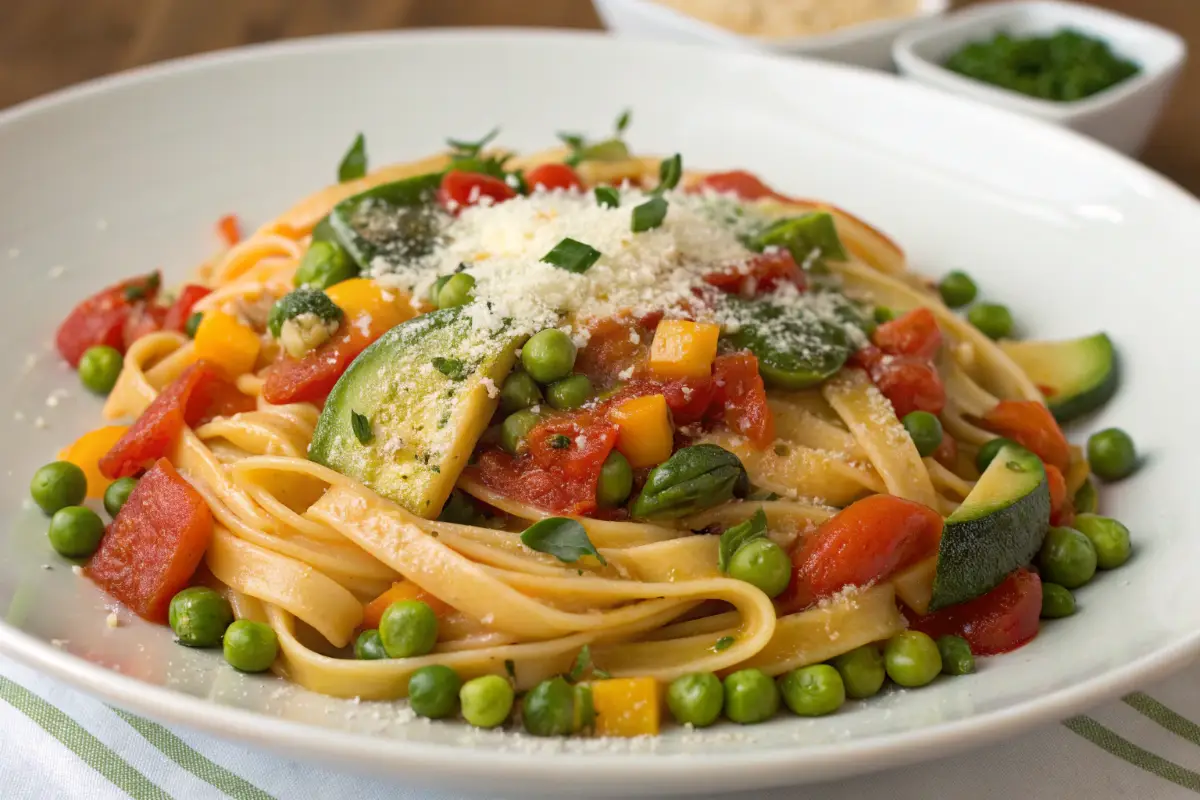

Classic Pasta Primavera
This Classic Pasta Primavera combines crisp-tender spring vegetables with al dente pasta in a light, garlicky sauce. It is an easy, healthy Italian meal perfect for busy weeknights or impressive enough for weekend entertaining.
4
servings15
minutes15
minutes385
kcalKeep the screen of your device on
Ingredients
12 ounces penne or fusilli pasta
2 tablespoons extra virgin olive oil
1 medium zucchini, sliced into half-moons
1 yellow squash, sliced into half-moons
1 red bell pepper, cut into thin strips
1 cup broccoli florets, cut small
0.5 cup cherry tomatoes, halved
3 cloves garlic, minced
0.25 teaspoon red pepper flakes (optional)
0.5 cup reserved pasta cooking water
0.75 cup freshly grated Parmesan cheese, plus more for serving
2 tablespoons fresh basil, chopped
1 tablespoon fresh lemon juice
Salt and black pepper to taste
Directions
- Bring a large pot of generously salted water to a boil.
- Add the pasta and cook according to package directions until al dente.
- Before draining, reserve one cup of the starchy pasta water, then drain the pasta and set aside.
- While the pasta cooks, heat the olive oil in a large skillet or Dutch oven over medium-high heat.
- Add the broccoli and bell pepper first, sautéing for three minutes until they begin to soften but still retain a bright color.
- Add the zucchini, yellow squash, and garlic to the skillet.
- Cook for another two to three minutes, stirring frequently, until the vegetables are crisp-tender and fragrant.
- If using red pepper flakes, add them now for a subtle kick.
- Return the drained pasta to the skillet with the vegetables.
- Pour in the reserved pasta water and toss vigorously over medium heat for one minute.
- The starch in the water will emulsify with the oil and cheese to create a glossy, cohesive sauce.
- Remove the skillet from the heat and stir in the Parmesan cheese, fresh basil, and lemon juice.
- Season generously with salt and black pepper to taste, then serve immediately with extra cheese on the side.
Like this recipe?
Follow @wikitasty on Pinterest
FAQS
While this dish is best served fresh, you can prep the vegetables and sauce components up to a day in advance. Store them separately in the refrigerator and combine with freshly cooked pasta just before serving to maintain the ideal texture and vibrant colors.
The beauty of Classic Pasta Primavera is its flexibility. Stick to quick-cooking vegetables like zucchini, bell peppers, asparagus, snap peas, and cherry tomatoes. Avoid dense vegetables like potatoes or carrots unless you par-cook them first to ensure everything finishes at the same time.
The key is emulsification. By vigorously tossing the hot pasta with reserved starchy water and cheese off the heat, you create a stable sauce where the oil is suspended rather than separated. If it does break, a splash of hot water and vigorous stirring usually brings it back together.
Yes, with a small caveat. The pasta may absorb some sauce as it sits, so store leftovers with an extra drizzle of olive oil and a splash of water. Reheat gently on the stovetop rather than in the microwave to restore the creamy texture. For more meal prep inspiration, this Cottage Cheese Pancakes recipe offers a great high-protein breakfast option to balance your weekly menu.
Absolutely. Frozen vegetables are a convenient and nutritious alternative. Just be sure to thaw and pat them dry before adding to the skillet to avoid excess water diluting your sauce. Add them later in the cooking process since they are already blanched.
Short shapes like penne, fusilli, or farfalle are ideal because their nooks and crannies catch the vegetables and sauce beautifully. However, long pasta like linguine or spaghetti works well too; just toss gently to avoid breaking the noodles.
The Story Behind The Dish: A Celebration Of Spring
Pasta Primavera, which translates to “spring pasta,” was popularized in New York City in the 1970s, though its roots celebrate the Italian tradition of cooking with the seasons. I love that this dish embodies the optimism of spring; it is light, colorful, and hopeful after a long winter of heavier meals.
Making this recipe connects me to that same spirit of abundance and freshness. There is a particular joy in selecting the first tender asparagus or the sweetest peas at the market and knowing they will shine in a simple preparation. It is a reminder that sometimes the most memorable meals are those that let great ingredients speak for themselves.
Your Printable Shopping List
Produce
- 1 medium zucchini
- 1 yellow squash
- 1 red bell pepper
- 1 cup broccoli florets
- 0.5 cup cherry tomatoes
- 3 cloves garlic
- 1 lemon
- Fresh basil
Pantry
- 12 ounces penne or fusilli pasta
- Extra virgin olive oil
- Red pepper flakes (optional)
- Salt and black pepper
Dairy
- Parmesan cheese (0.75 cup grated)
Health Benefits Of Classic Pasta Primavera
| Nutrient or Ingredient | Benefit |
|---|---|
| Broccoli & Bell Peppers | Rich in Vitamin C and antioxidants that support immune health |
| Zucchini & Squash | Low in calories and high in fiber for digestive wellness |
| Olive Oil | Contains heart-healthy monounsaturated fats and anti-inflammatory compounds |
| Whole Grain Pasta Option | Provides sustained energy and B vitamins for metabolism |
This dish is a nutritional powerhouse disguised as comfort food. The variety of vegetables ensures you get a broad spectrum of vitamins and minerals in one satisfying bowl. By using a light sauce based on olive oil and pasta water rather than heavy cream, you enjoy all the flavor without excessive saturated fat, making it a balanced choice for everyday eating.
Final Thoughts On Your New Favorite Pasta
I truly believe this Classic Pasta Primavera will become a staple in your kitchen rotation. It is forgiving, flexible, and endlessly satisfying, proving that a great meal does not require complexity, just quality ingredients and a little know-how. The vibrant colors and fresh flavors are sure to brighten any table and leave everyone feeling nourished and content.
If you enjoyed this recipe, you might also love exploring other vegetable-forward dishes like a hearty ratatouille or a simple aglio e olio for those nights when you want something even quicker. Each of these recipes shares the same philosophy: let the ingredients lead, and trust your instincts in the kitchen.
Save this recipe for later and pin it to your dinner inspiration board so you can easily return to it when spring produce calls your name. I cannot wait to hear how you make it your own.