
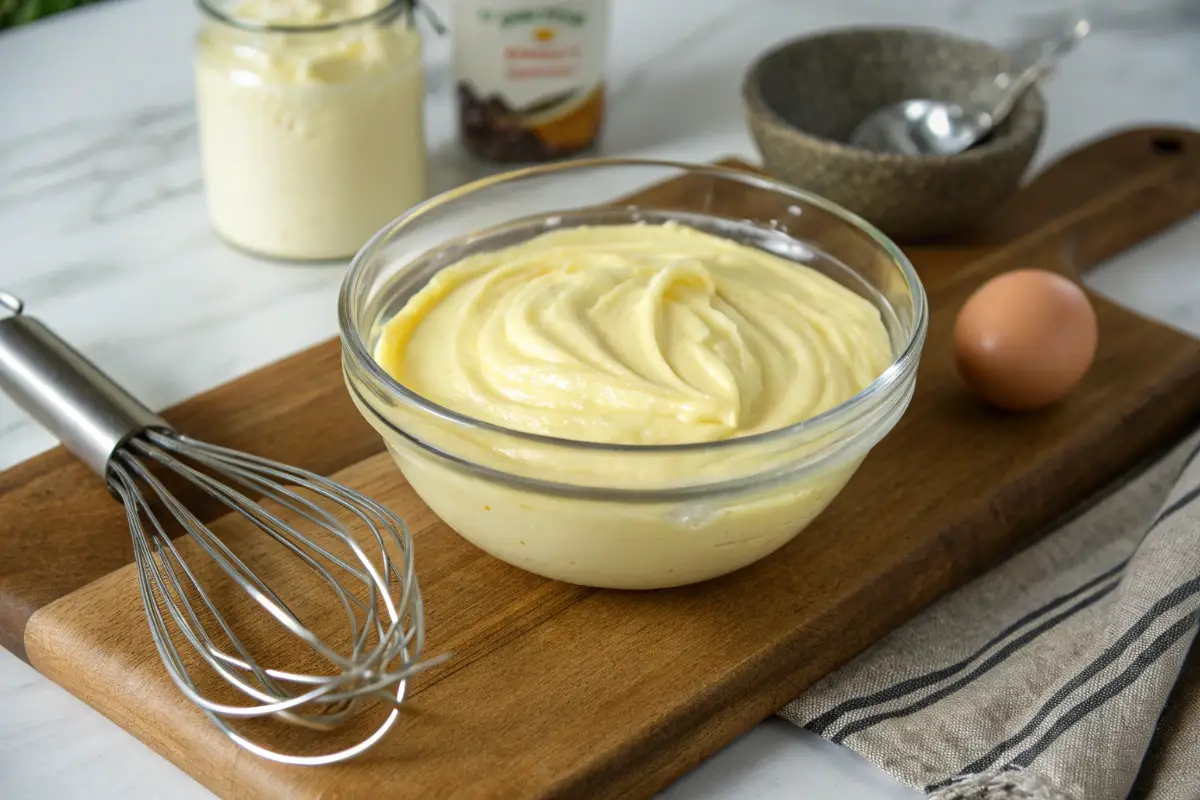
- Homemade mayo delivers richer taste, perfect texture, and full control over ingredients and flavor.
- Pro tips guarantee success: bring ingredients to room temperature, add oil slowly, taste and adjust as you go.
- Rescue split mayo by whisking it into a fresh yolk; don't toss a broken batch.
- Store in an airtight glass jar in the fridge up to seven days; use pasteurized or high quality eggs.
- Endless uses: spreads, dips, binders, grilling brush, or base for dressings; try garlic, herb, chipotle, or lemon dill.
Last Updated on March 9, 2026 by Souhail
Hey there, food lovers! It is me, your favorite NYC based chef and cookbook author. I am so excited to share this with you. There is nothing quite like the taste of homemade mayonnaise. I remember standing in my tiny Brooklyn kitchen ten years ago. I was trying to impress a date with a fancy sandwich. The store bought stuff just did not cut it. So I whisked. And whisked. Suddenly, magic happened. That creamy texture changed everything for me.
This recipe fits perfectly into your everyday life. It is great for a quick weeknight meal or a festive dish. The flavor profile is rich and tangy. It is special because you control the ingredients. You decide how much garlic goes in. You decide the level of tang. It is your canvas.
Table of contents
Why This Recipe Just Works So Well
Let me tell you why this homemade mayonnaise has earned a permanent spot in my fridge. It is not just about taste, though that is a huge part of it. It is about control, freshness, and that little spark of pride when you make something from scratch.
- You control the quality: No weird preservatives or stabilizers. Just real food.
- Flavor flexibility: Want it garlicky? Add an extra clove. Love lemon? Squeeze in more. It is your condiment.
- Texture perfection: When you emulsify it yourself, you get that luxuriously thick, velvety consistency store brands struggle to match.
- Dietary friendly: This base recipe is naturally gluten free and keto friendly. For a vegan version, simply swap the egg yolk for aquafaba (chickpea brine) and use a neutral oil.
If you are looking for ways to use your new mayo mastery, try slathering it on these croissant breakfast sandwiches for the ultimate morning treat.
My Go-To Tricks for Flawless Mayo Every Time
Listen, I have had my share of broken mayo moments. We have all been there. But over the years, I have collected some pro tips that guarantee success.
- Room temperature matters: Take your egg yolk and lemon juice out of the fridge 15 minutes ahead. Cold ingredients can cause the emulsion to break.
- Start slow, then speed up: When adding oil, begin with just a few drops while whisking constantly. Once it thickens, you can drizzle in a thin, steady stream.
- Fix a broken batch: If your mayo splits, do not toss it! Start with a fresh egg yolk in a clean bowl and slowly whisk the broken mixture into it. It will come back together.
- Taste as you go: After blending, taste and adjust. Need more acid? Add a splash of lemon. Want more depth? A pinch of salt or a dash of Dijon works wonders.
For a fun snack idea, try using your homemade mayo as a dip base alongside roasted pumpkin seeds. The creamy and crunchy combo is unbeatable.
Let’s Get Creative: Tasty Twists on Classic Mayo
Once you master the base, the world is your oyster. Here are a few of my favorite variations to keep things exciting.
Garlic Aioli: Add two minced garlic cloves and a pinch of smoked paprika. This version is perfect for spreading on burgers or dipping fries. The garlic infuses beautifully, giving you that restaurant style flavor at home.
Herb Garden Mayo: Fold in one tablespoon of finely chopped fresh herbs like dill, chives, and parsley. This bright, green version pairs wonderfully with grilled fish or roasted vegetables. It is like a burst of spring in every bite.
Spicy Chipotle Mayo: Blend in one minced chipotle pepper in adobo sauce plus a teaspoon of the sauce. This smoky, spicy twist is incredible on tacos, bowls, or even as a sandwich spread. If you love bold flavors, this one is for you.
Lemon Dill Delight: Add the zest of one lemon and two tablespoons of fresh dill. This variation is especially lovely with salmon or in a Caprese croissant sandwich. The citrus and herb notes lift the whole dish.
Serving Suggestions
This creamy condiment is a team player. Spread it thick on burgers, use it as a dip for crispy homemade pizza rolls, or swirl it into grain bowls for extra richness. I love dolloping it on a cottage cheese breakfast bowl for a savory morning boost.
Garnish with a sprinkle of paprika or fresh herbs for a pop of color. It also makes an excellent base for creamy salad dressings or coleslaw.
Keeping It Fresh: Storage and Reheating
Store your homemade mayonnaise in an airtight glass jar in the refrigerator. It will stay fresh for up to one week. Because it contains raw egg, always use a clean spoon to scoop it out to avoid contamination.
There is no need to reheat mayo, as it is best served cold or at room temperature. If the oil separates slightly after storage, just give it a quick stir to bring it back to its creamy glory.
Beyond the Jar: Creative Uses for Your Mayo
Think beyond sandwiches. Use it as a binder for tuna or chicken salad. Spread it on fish before baking to keep it moist. Mix it with hot sauce for a quick dip. Or, use it as the base for a creamy pasta salad dressing.
It is also fantastic brushed on corn on the cob before grilling, then rolled in cotija cheese. The possibilities are truly endless once you have this staple on hand.
How Do You Make It
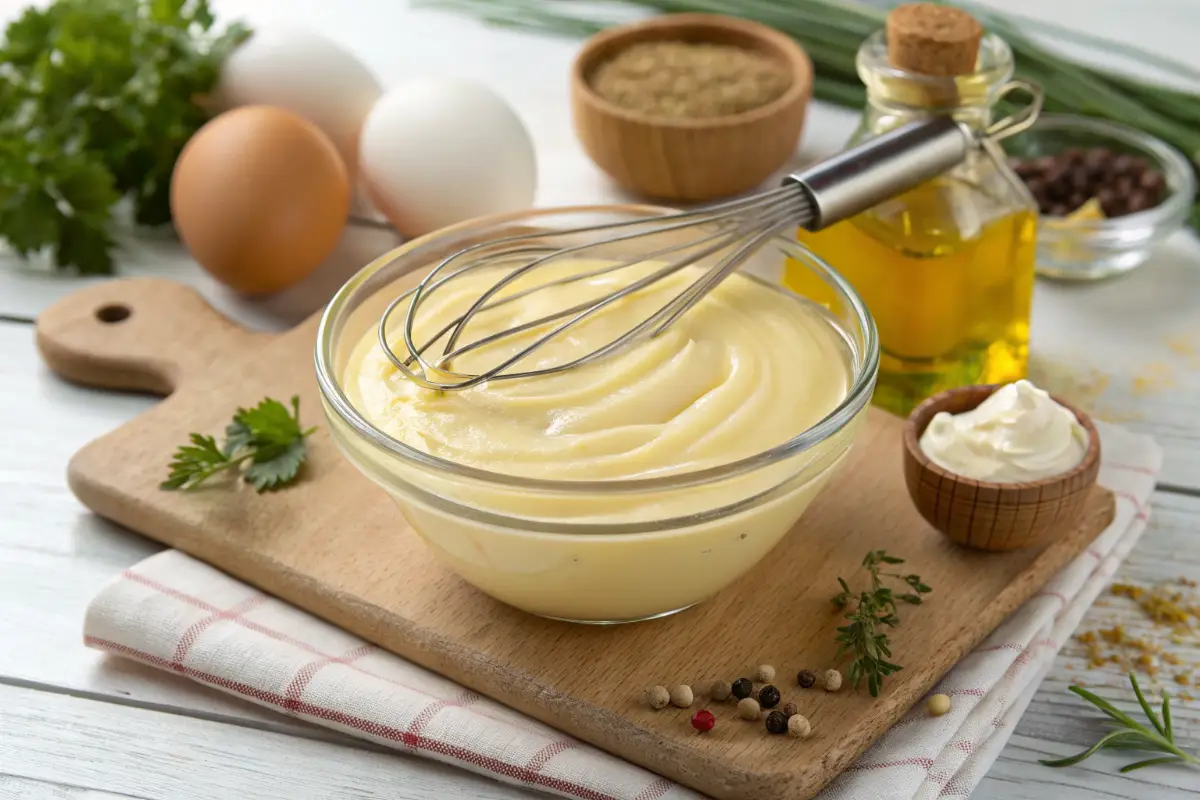

Homemade Mayonnaise
1
servings5
minutes0
minutes95
kcalWhip up this rich and tangy homemade mayonnaise in minutes. Perfect for sandwiches, dips, and dressings, this creamy staple is fresher and more customizable than any store bought version.
Keep the screen of your device on
Ingredients
1 large egg yolk, room temperature
1 tablespoon lemon juice, freshly squeezed
1 teaspoon Dijon mustard
0.5 teaspoon fine sea salt
0.25 teaspoon white pepper
1 cup neutral oil (like avocado, grapeseed, or light olive oil)
Directions
- Start by placing your egg yolk, lemon juice,
- Dijon mustard, salt, and white pepper into a medium mixing bowl.
- Whisk these ingredients together vigorously until they are fully combined and slightly pale.
- step is crucial for building the base of your emulsion.
- Next, while whisking constantly, begin adding the oil drop by drop.
- Yes, drop by drop at first.
- This slow start is the secret to a stable, creamy mayo.
- Once the mixture begins to thicken and look glossy, you can start adding the oil in a very thin, steady stream while continuing to whisk.
- Keep whisking until all the oil is incorporated and your mayonnaise is thick, lush, and holds its shape.
- Taste and adjust seasoning with more salt or lemon if needed. Transfer to a clean jar and chill until ready to use.
Notes
- For food safety, use pasteurized eggs if you are concerned about raw egg consumption.
- If your mayo breaks, rescue it by whisking the broken mixture slowly into a fresh egg yolk.
- Store in a clean, airtight glass jar for best freshness.
- Use a neutral oil for classic flavor, or extra light olive oil for a fruity note.
- Always bring eggs to room temperature for easier emulsification.
Nutrition Facts
- Total number of serves: 1
- Calories: 95kcal
- Fat: 10g
- Saturated Fat: 1.5g
- Cholesterol: 0.10mg
- Sodium: 0.75mg
- Carbohydrates: 0g
- Protein: 0g
Like this recipe?
Follow @wikitasty on Pinterest
FAQS
A: Yes, if you use pasteurized eggs or fresh, high quality eggs from a trusted source. The acid in lemon juice also helps inhibit bacteria.
A: This usually happens if the oil is added too quickly at the start. Remember: start drop by drop, then slowly stream. If it breaks, see the rescue tip in the notes.
A: Stored in an airtight container in the fridge, it stays fresh for up to 7 days. Always use a clean utensil to scoop.
A: Absolutely. A blender or immersion blender works great. Just follow the same slow oil addition method.
A: Neutral oils like avocado, grapeseed, or light olive oil work best. Extra virgin olive oil can be too strong and bitter when emulsified.
A: Yes. Replace the egg yolk with 2 tablespoons of aquafaba (chickpea brine) and follow the same method. The texture will be slightly lighter but still delicious.
Quick Shopping List
- 1 large egg yolk
- 1 lemon (for fresh juice)
- Dijon mustard
- Fine sea salt
- White pepper
- 1 cup neutral oil (avocado, grapeseed, or light olive)
Let’s Wrap This Up
There you have it, friends. Your new go to guide for creamy, dreamy homemade mayonnaise. It is easier than you think, tastier than store bought, and completely customizable. I hope this recipe brings a little joy and a lot of flavor to your kitchen.
If you loved this, you might also enjoy my recipes for croissant breakfast sandwiches or homemade pizza rolls, where this mayo shines as the perfect finishing touch. Now, grab a whisk and let’s make some magic. Happy cooking.