
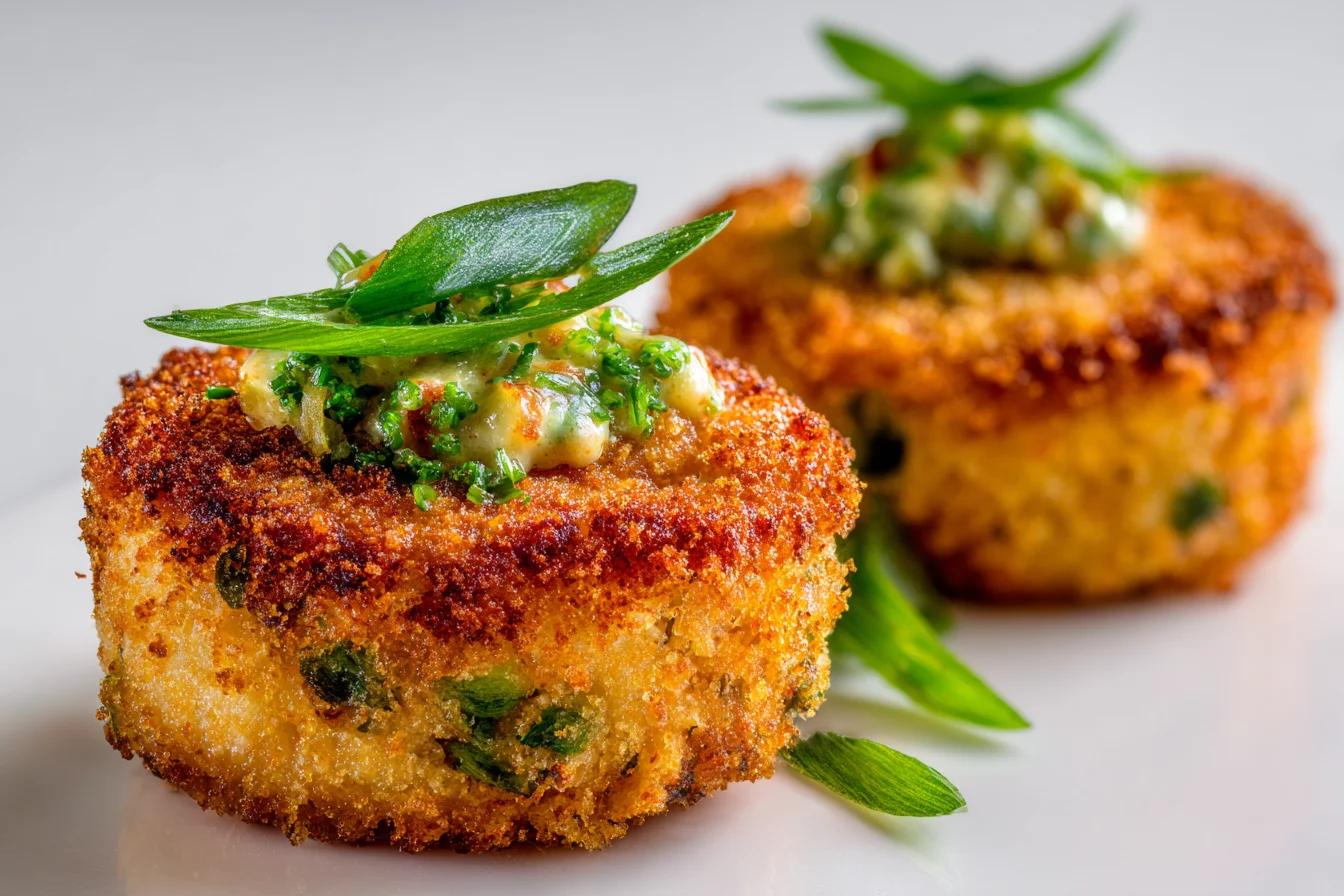
- Ready in about 25 minutes for restaurant-quality mini crab cakes that impress at dinner parties.
- Use fresh lump crab, pick out shells, fold gently and use minimal binder for tender cakes with distinct crab chunks.
- Chill the mixture 30 minutes; just enough mayo and breadcrumbs keeps cakes from falling apart and concentrates flavor.
- Pan-fry in medium-hot oil about 3 minutes per side for golden crust, or bake 400°F for 12 to 15 minutes.
- Make remoulade from mayo, Creole mustard, pickles, capers, hot sauce and lemon; it improves after 1 to 2 days.
Last Updated on April 12, 2026 by Souhail
This post contains affiliate links. As an Amazon Associate, we earn from qualifying purchases. This means we may earn a small commission if you purchase through our links, at no extra cost to you.
Mini crab cakes with remoulade are one of those dishes that instantly elevate any dinner table. These golden-brown bites deliver pure coastal elegance without requiring hours of prep work. I’ve served these at countless dinner parties, and they never fail to impress guests with their delicate crab flavor and crispy exterior.
What makes mini crab cakes with remoulade so special is their versatility. You can serve them as an elegant appetizer before the main course, or make them the star of a seafood-focused dinner. The creamy, tangy remoulade sauce perfectly complements the sweet, tender crab meat. First-time cooks often worry about working with fresh crab, but I promise this recipe simplifies the entire process.
I remember the first time I made homemade crab cakes from scratch. My grandmother had always bought hers premade, but when I showed her my version with fresh lump crab and crispy panko coating, she became an instant convert. Now, whenever family gathers, someone always requests these mini crab cakes. They’re the kind of dish that feels fancy but comes together faster than you’d expect.
Table of contents
Why You’ll Love This Recipe
- These mini crab cakes come together in just 25 minutes from start to finish, making them perfect for dinner nights when you want something restaurant-quality without spending all evening cooking.
- Fresh lump crab meat combined with a minimal binder creates tender, moist cakes that taste like you ordered them from a high-end seafood restaurant rather than made them at home.
- The homemade remoulade sauce adds a bright, tangy punch that transforms simple crab cakes into something truly memorable and completely customizable to your taste preferences.
- Each mini cake is perfectly portioned and crispy on the outside while staying succulent inside, making them ideal for serving as an elegant dinner starter or main course component.
- This recipe uses pantry staples and fresh ingredients you can find at any grocery store, so you can make restaurant-quality seafood at home without hunting for specialty items.
Let’s Make These Golden Crab Cakes
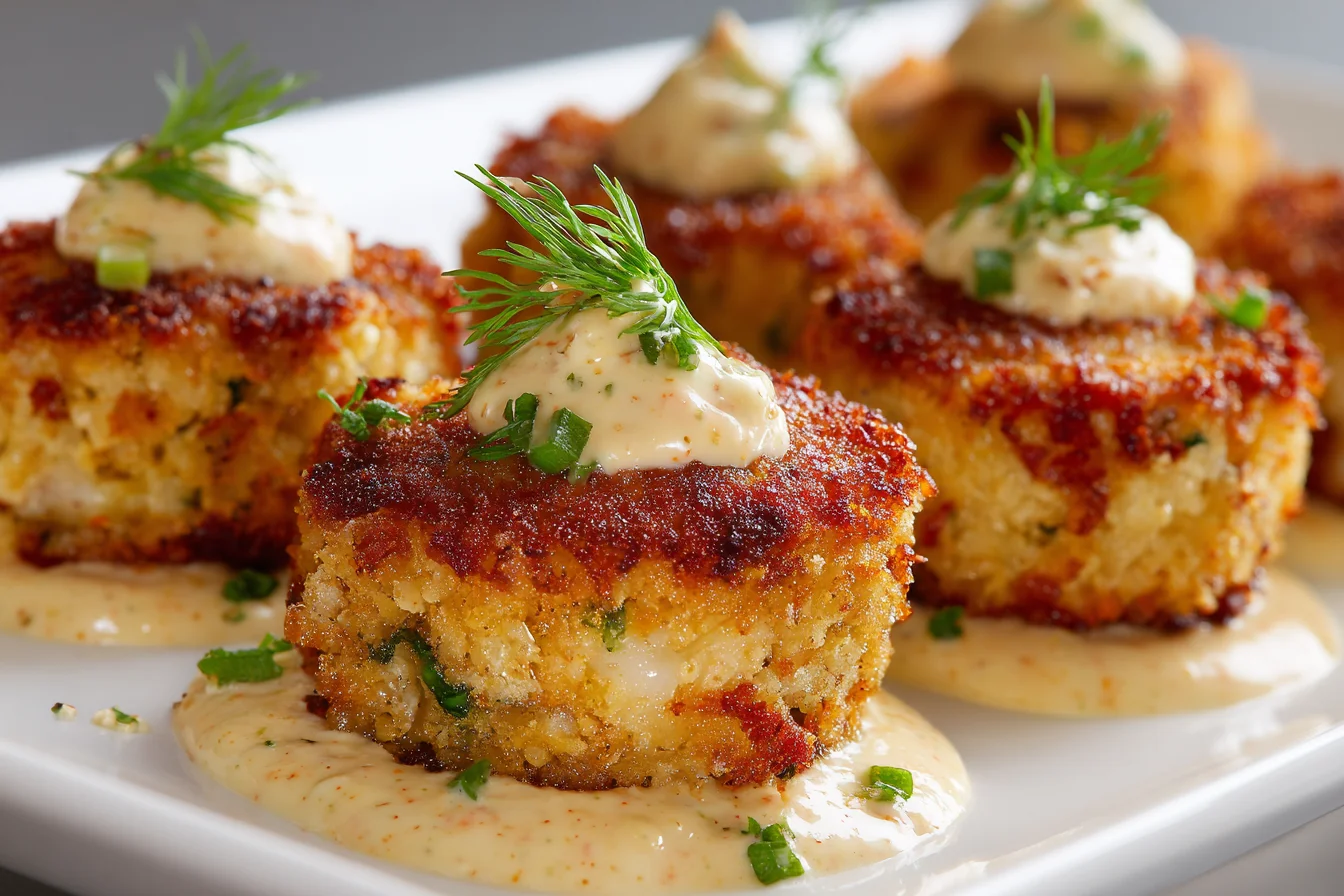

Mini Crab Cakes with Remoulade
These elegant mini crab cakes feature fresh lump crab meat with a crispy panko exterior and tender, moist interior. Served with homemade remoulade sauce, they’re perfect for dinner parties or special occasions and come together in just 25 minutes.
12
servings15
minutes10
minutes210
kcalKeep the screen of your device on
Ingredients
1 pound fresh lump crab meat
0.5 cup panko breadcrumbs
0.25 cup mayonnaise
1 large egg
2 tablespoons Dijon mustard
1 teaspoon Old Bay seasoning
0.5 teaspoon salt
0.25 teaspoon black pepper
2 tablespoons lemon juice
0.5 cup vegetable oil
1 cup mayonnaise
2 tablespoons Creole mustard
Directions
- Prepare the crab mixture by gently folding together the lump crab meat, panko breadcrumbs, 0.25 cup mayonnaise, beaten egg, Dijon mustard, Old Bay seasoning, salt, pepper, and lemon juice in a large bowl. Mix with a light hand to keep crab chunks intact.
- Chill the mixture for at least 30 minutes in the refrigerator. This helps the cakes hold their shape during cooking and allows flavors to meld together beautifully.
- Form the cakes by scooping the mixture with a 2-tablespoon cookie scoop or measuring spoon. Gently press into patties about 1.5 inches wide. Place on a parchment-lined baking sheet.
- Heat the oil in a large skillet over medium-high heat until it shimmers and reaches about 350°F. Test with a small piece of breadcrumb; it should sizzle immediately.
- Cook the crab cakes in batches, being careful not to crowd the pan. Fry for 3 minutes on the first side until golden brown, then carefully flip and cook the second side for another 3 minutes until crispy and cooked through.
- Transfer to paper towels to drain excess oil. Keep finished cakes warm on a baking sheet in a 200°F oven while cooking remaining batches.
Notes
- For baked crab cakes, place on a greased baking sheet and bake at 400°F for 12-15 minutes until golden brown.
- Uncooked crab cake mixture keeps in the refrigerator for up to 2 days, making this recipe perfect for advance dinner preparation.
- Cooked crab cakes freeze well for up to 3 months; reheat in a 350°F oven for 8 minutes or in a skillet over medium heat.
- Use only fresh or high-quality frozen lump crab meat for best results; avoid imitation crab or claw meat for this recipe.
Nutrition Facts
- Serving Size: 1
- Total number of serves: 12
- Calories: 210kcal
- Fat: 12g
- Carbohydrates: 8g
- Fiber: 0g
- Protein: 18g
Like this recipe?
Follow @wikitasty on Pinterest
Pro Tips for Perfect Mini Crab Cakes With Remoulade
Making excellent crab cakes comes down to understanding a few key techniques. The most important rule is handling the crab meat gently. You want distinct chunks of crab throughout your finished cakes, not a mushy paste. Therefore, fold the ingredients together with a light hand rather than stirring aggressively.
Selecting Quality Crab Meat
Always use fresh or high-quality frozen lump crab meat for the best results. Lump crab offers larger, sweeter pieces compared to claw meat. Pick through your crab meat carefully to remove any shells or cartilage before mixing. This simple step prevents unpleasant surprises when your guests bite into their cakes.
The Binding Secret
Use just enough mayo and breadcrumbs to hold the cakes together. Too much binder creates dense, heavy cakes that taste more like mayo than crab. I recommend using Old Bay seasoning mixed into your binder for authentic Chesapeake Bay flavor. In addition, chilling the mixture for 30 minutes helps the cakes hold their shape during cooking.
Cooking Temperature and Timing
Pan-fry your mini crab cakes in medium-hot oil for about 3 minutes per side. This creates a golden-brown crust while keeping the interior tender and moist. However, if you prefer a healthier cooking method, you can bake them at 400°F for 12-15 minutes. For food safety guidance on seafood preparation, consult FDA guidance on eating fish.
Making Remoulade Sauce
The remoulade sauce is where you can express your creativity. Start with a quality mayonnaise base, then add Creole mustard, diced pickles, capers, and hot sauce for complexity. Taste as you go and adjust the seasonings to match your preferences. Fresh lemon juice brightens the entire sauce and cuts through the richness beautifully.
Delicious Variations to Try
While the classic mini crab cakes with remoulade are fantastic on their own, creative variations can take this recipe in exciting new directions. Each variation maintains the same cooking technique while adjusting flavors or dietary considerations. Therefore, you can confidently adapt this recipe to suit your pantry and preferences.
Cajun-Spiced Crab Cakes
Add extra cayenne pepper, smoked paprika, and garlic powder to your mixture for a bold Cajun twist. Serve these spiced cakes with a cooling remoulade spiked with fresh cilantro and lime juice. This variation pairs beautifully with seafood boil recipes for a complete coastal dinner.
Asian-Inspired Crab Cakes
Incorporate ginger, soy sauce, and sesame oil into your crab mixture for an Asian fusion version. Replace traditional remoulade with a sriracha mayo or sweet chili sauce. Add diced scallions and a touch of wasabi to the binding mixture for extra depth. This creative take brings fresh flavors that complement lighter dinner menus perfectly.
Gluten-Free Crab Cakes
Swap regular breadcrumbs for certified gluten-free panko to make this recipe safe for gluten-sensitive guests. The cooking technique remains identical, and the results taste just as delicious. In addition, you can use gluten-free flour for any coating if desired. Most guests won’t detect any difference in texture or flavor.
Herb-Forward Crab Cakes
Fresh herbs like tarragon, dill, and chives add sophisticated flavor without overwhelming the delicate crab. Mix these herbs directly into your binder along with lemon zest for brightness. Serve with a classic remoulade featuring fresh parsley and tarragon for a cohesive herb-forward dinner dish.
Panko-Crusted vs. Soft Crab Cakes
For extra crunch, dip your formed cakes in beaten egg and coat generously with panko before cooking. For a softer, more delicate texture, skip the egg wash and panko coating entirely. Both versions work beautifully, so choose based on your texture preference. The panko version holds up better for plating and creates more visual appeal on the dinner table.
Understanding the Nutrition Profile
Mini crab cakes with remoulade offer impressive nutritional benefits when prepared with quality ingredients. Each serving contains approximately 210 calories, making these portion-controlled bites perfect for dinner without excessive indulgence. The crab meat provides substantial protein at around 18 grams per serving, supporting muscle maintenance and satiety.
The fat content comes primarily from the mayo-based remoulade and cooking oil, totaling about 12 grams per serving. However, much of this fat includes heart-healthy omega-3 fatty acids from the crab meat itself. Carbohydrates remain modest at approximately 8 grams per serving, mostly from the breadcrumb binder. These nutritional stats make mini crab cakes an excellent choice for balanced dinner menus.
Crab meat delivers essential minerals like selenium, zinc, and copper that support immune function and overall wellness. In addition, the remoulade sauce adds beneficial probiotics if made with quality ingredients. For comprehensive food safety information, review CDC food safety prevention resources. Consider pairing these crab cakes with lighter sides like mixed greens or roasted vegetables to create a well-rounded dinner.
Serving Your Mini Crab Cakes at Dinner
The beauty of mini crab cakes lies in their flexibility as a dinner component. Serve them as an elegant first course before your main protein, allowing guests to enjoy the crab’s delicate flavor without competition. Alternatively, create a seafood-focused dinner by pairing these cakes with complementary dishes like garlic butter scallops or other shellfish preparations.
Plate your mini crab cakes on a bed of microgreens or arugula for visual interest and fresh flavor contrast. Drizzle remoulade around the plate rather than on top to showcase the golden exterior. Add lemon wedges for brightness and allow guests to adjust tartness to their preference. Serve these cakes warm from the pan for the best texture and flavor experience.
For casual dinner gatherings, arrange mini crab cakes on a platter with small bowls of remoulade for dipping. This presentation style encourages mingling and creates an interactive dining experience. Pair with crisp white wine or light beer for a complete dinner experience. The versatility of this dish makes it equally at home at formal dinner parties or relaxed family meals.
Keeping Your Crab Cakes Fresh
Proper storage extends the enjoyment of your mini crab cakes beyond the initial dinner service. Store uncooked crab cake mixture in an airtight container in the refrigerator for up to 2 days before cooking. This advance preparation makes weeknight dinners easier when you form and chill the cakes the day before.
Cooked mini crab cakes keep well in the refrigerator for 3 days when stored in an airtight container lined with parchment paper. To reheat, place them on a baking sheet and warm at 350°F for about 8 minutes until heated through. Alternatively, reheat in a skillet over medium heat for 2-3 minutes per side to restore crispness. Avoid using the microwave, which creates soggy, unappetizing cakes.
For longer storage, freeze cooked mini crab cakes for up to 3 months in a freezer-safe container with parchment between layers. Thaw overnight in the refrigerator before reheating using the methods mentioned above. You can also freeze the uncooked mixture for up to 1 month, then cook directly from frozen, adding just a few extra minutes to the cooking time. This flexibility makes these dinner cakes perfect for meal planning.
Frequently Asked Questions
I’ve compiled the most common questions I receive about making mini crab cakes with remoulade. These answers address concerns ranging from ingredient substitutions to cooking techniques and storage considerations.
Yes, canned crab meat works in a pinch, though fresh or frozen lump crab delivers superior flavor and texture. If using canned, drain thoroughly and pick through carefully for shell fragments. The finished cakes will taste good but lack the delicate sweetness of premium crab meat.
The key is using just enough binder and chilling the mixture thoroughly. Don’t overmix, as this breaks down the crab into small pieces. Chill for at least 30 minutes before cooking. Form cakes gently and handle them minimally during cooking. Using an egg wash and panko coating also helps hold everything together.
Use neutral oils with high smoke points like vegetable, canola, or avocado oil. These oils heat to the necessary temperature without burning or imparting unwanted flavors. Avoid olive oil, which has a lower smoke point and strong flavor that competes with the delicate crab. Heat the oil to medium-high before adding your cakes.
Absolutely. Remoulade actually improves when made 1-2 days ahead, allowing flavors to meld and develop. Store it in an airtight container in the refrigerator for up to one week. The sauce tastes fresh and vibrant straight from the fridge, so no warming needed. This makes dinner preparation much easier.
Light, fresh sides complement crab cakes beautifully. Try mixed green salads, roasted asparagus, steamed broccoli, or risotto. Coleslaw adds textural contrast, while roasted potatoes provide heartiness. Avoid heavy sauces that overshadow the delicate crab flavor. Serve with crisp white wine, light beer, or sparkling water for a complete dinner experience.
These mini crab cakes with remoulade have become my go-to dinner recipe whenever I want to impress without spending all day in the kitchen. The combination of sweet, tender crab and zesty remoulade never gets old, and guests always ask for the recipe. I hope you’ll make these soon and discover why they’ve become a dinner table staple in so many homes.
Whether you’re hosting an elegant dinner party or cooking for your family on a regular Tuesday night, these cakes deliver restaurant-quality results that feel special and celebratory. Start with the classic version, then experiment with variations once you master the technique. Happy cooking, and enjoy every crispy, delicious bite of these golden mini crab cakes.