
Last Updated on July 31, 2026 by Simon
This post contains affiliate links. As an Amazon Associate, we earn from qualifying purchases. This means we may earn a small commission if you purchase through our links, at no extra cost to you.
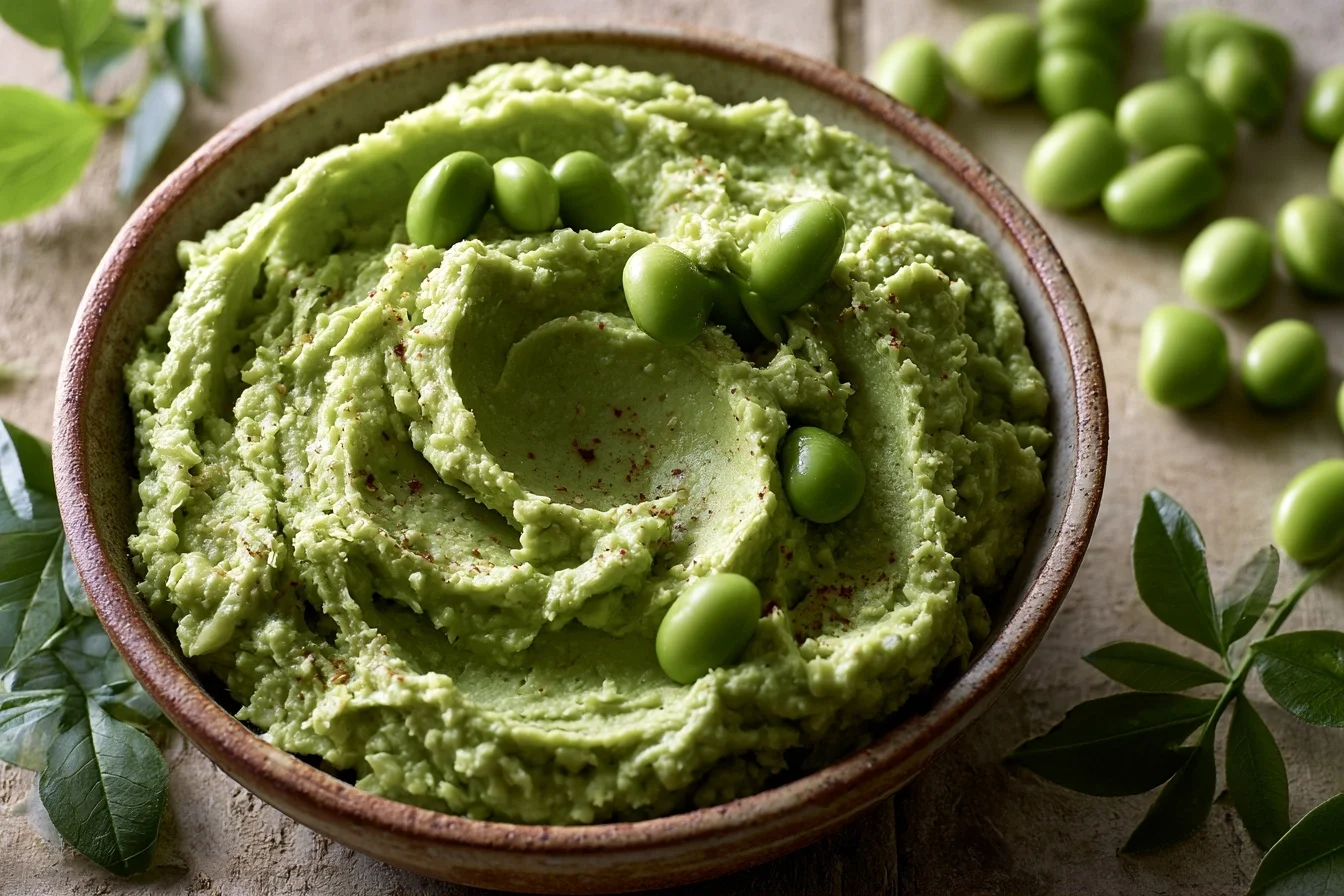
If you’re looking for a vibrant, protein-packed dip that goes beyond the traditional chickpea version, edamame hummus is about to become your new kitchen staple. This fresh take on a beloved classic swaps creamy chickpeas for bright green edamame, creating a dip that’s not only visually stunning but also packed with plant-based protein and nutrients.
I first discovered edamame hummus at a farmers market in Portland, and honestly, I was skeptical. Could anything really compete with the classic hummus I’d been making for years? One bite changed my mind completely. The edamame brought a subtle sweetness and earthiness that felt entirely different from traditional hummus, yet somehow just as satisfying.
Whether you’re hosting a dinner party, packing snacks for the week, or simply craving something healthier than store-bought dips, this edamame hummus recipe delivers. It comes together in minutes, requires minimal ingredients, and tastes infinitely better than anything you’ll find in a jar.
Table of contents
Why You’ll Love This Recipe
- This edamame hummus comes together in just 10 minutes, making it perfect for busy weeknights when you need a satisfying appetizer or snack without spending hours in the kitchen.
- Each serving delivers over 6 grams of plant-based protein, making this dip an excellent choice for vegetarians and anyone looking to boost their daily protein intake naturally.
- The vibrant green color and fresh, slightly sweet flavor make this hummus variation a conversation starter that impresses guests and adds visual appeal to any spread.
- This recipe requires just seven simple ingredients you likely already have in your pantry, eliminating the need for special shopping trips or hard-to-find components.
- Edamame hummus works beautifully with everything from fresh vegetables to pita chips, making it incredibly versatile for snacking, entertaining, or meal prep throughout the week.
Let’s Make This Creamy Green Dip

Creamy Green Edamame Hummus
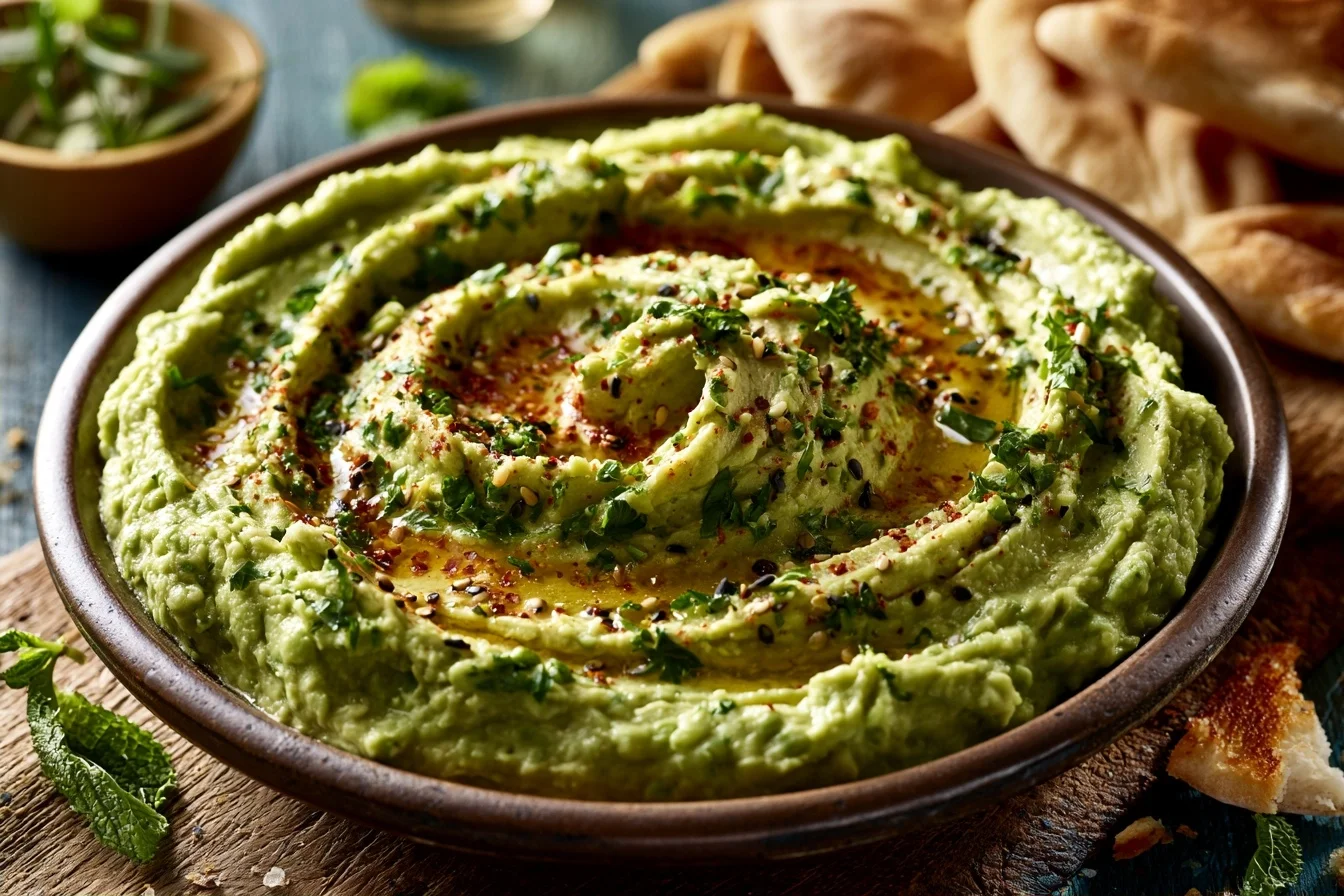
This vibrant edamame hummus is a fresh, protein-packed alternative to traditional chickpea dips. Made with just seven simple ingredients and ready in 10 minutes, this creamy green dip is perfect for entertaining or meal prep.
8
servings10
minutes0
minutes95
kcalKeep the screen of your device on
Ingredients
2 cups frozen shelled edamame
0.25 cup tahini
3 tablespoons fresh lemon juice
2 cloves garlic
0.25 cup extra virgin olive oil
2 tablespoons toasted sesame seeds
0.5 teaspoon salt
0.25 teaspoon ground cumin
Directions
- Add your thawed edamame, tahini, lemon juice, and minced garlic to your food processor. Pulse several times to break down the edamame into smaller pieces before you begin blending continuously.
- Blend for two to three minutes, stopping occasionally to scrape down the sides of the processor with a spatula. The mixture will gradually transform from chunky to creamy and smooth.
- Drizzle in the olive oil slowly while the food processor runs, allowing it to emulsify with the edamame mixture. This gradual addition creates the silky, creamy texture that makes this hummus so irresistible.
- Taste and adjust seasonings as needed, adding more salt, lemon juice, or garlic depending on your preferences. Remember that chilled hummus tastes slightly less seasoned, so season generously.
- Transfer your edamame hummus to a serving bowl and refrigerate for at least 30 minutes before serving. Drizzle the top with additional olive oil and sprinkle with toasted sesame seeds if desired.
Notes
- Make sure your edamame is completely thawed and drained before blending to prevent excess moisture from diluting your hummus.
- For the smoothest texture, blend longer rather than shorter. Two to three minutes of continuous blending creates a noticeably creamier result.
- This hummus tastes best when served cold or at room temperature. Never reheat, as heat can negatively affect the texture and flavor.
- Double or triple this recipe for parties and gatherings. It keeps well in the refrigerator for four to five days.
- Freeze in ice cube trays for convenient portion-controlled servings that last up to three months.
Nutrition Facts
- Serving Size: 1
- Total number of serves: 8
- Calories: 95kcal
- Fat: 6g
- Carbohydrates: 7g
- Fiber: 3g
- Protein: 6g
Like this recipe?
Follow @wikitasty on Pinterest
Pro Tips for Perfect Edamame Hummus
Making edamame hummus is straightforward, but a few professional touches will elevate your results. I’ve learned these tips through years of testing different techniques, and they truly make a difference in texture, flavor, and overall quality.
Choose Quality Frozen Edamame
Always use shelled frozen edamame rather than the in-shell variety. Frozen edamame maintains its nutritional value beautifully and costs less than fresh. Thaw them completely before blending to ensure a smooth, creamy consistency without any icy chunks in your finished hummus.
Toast Your Sesame Seeds
Toasting sesame seeds before adding them to your edamame hummus intensifies their nutty flavor dramatically. Simply heat them in a dry skillet over medium heat for two to three minutes, stirring frequently until fragrant. This small step transforms the entire flavor profile of your dip.
Balance Your Lemon and Garlic
Fresh lemon juice and garlic are crucial for brightness and depth. However, taste as you go. If your edamame hummus tastes too sharp, add a touch more olive oil or a pinch of honey. If it feels flat, squeeze in additional lemon juice gradually until the flavor pops on your palate.
Achieve the Perfect Texture
The key to silky edamame hummus is patience with your food processor. Blend for a full two to three minutes, stopping occasionally to scrape down the sides. Add olive oil gradually while blending to control the consistency. You want it creamy and spreadable, not grainy or too thick.
Chill Before Serving
Refrigerating your edamame hummus for at least 30 minutes before serving allows the flavors to meld beautifully. Cold hummus also has a better texture and scoops more elegantly onto crackers or vegetables than room-temperature versions.
Delicious Variations to Try
One of the best things about homemade edamame hummus is how easily you can customize it to match your taste preferences or dietary needs. Here are my favorite variations that keep this recipe feeling fresh and exciting throughout the season.
Spicy Sriracha Version
For those who love heat, add one to two tablespoons of sriracha sauce to your edamame hummus base. The sriracha adds a spicy kick without overpowering the delicate edamame flavor. You can also drizzle additional sriracha on top as a garnish for visual appeal and an extra punch of heat.
Herb-Infused Green Hummus
Blend in fresh basil, dill, or cilantro for an herby variation. Add about one-half cup of loosely packed fresh herbs to your food processor along with the edamame. This creates an even more vibrant green hummus that tastes like springtime in a bowl.
Roasted Red Pepper Twist
Combine edamame with roasted red peppers from a jar for a sweeter, more colorful dip. Use one cup of edamame and one-half cup of roasted red peppers. This variation works beautifully alongside spinach artichoke dips on a mezze board.
Wasabi Heat for Adventurous Palates
Mix one to two teaspoons of wasabi powder into your edamame hummus for serious spice lovers. Start with less and add gradually, as wasabi’s heat builds quickly. This variation pairs exceptionally well with crispy wonton chips and cucumber slices.
Creamy Avocado Blend
Fold one ripe avocado into your finished edamame hummus for added creaminess and richness. This makes the dip even more luxurious while boosting healthy fats. Add the avocado at the very end and stir gently to maintain some texture rather than over-blending.
Mediterranean-Style with Kalamata Olives
Pulse one-half cup of kalamata olives into your edamame hummus for a briny, Mediterranean twist. This variation creates a heartier dip that works wonderfully with pita bread and vegetable platters. The olives add a sophisticated depth that transforms the entire flavor experience.
Understanding the Nutrition Profile
Edamame hummus stands out nutritionally because it delivers impressive protein content without the heaviness of traditional chickpea-based dips. Each serving provides approximately 95 calories, making this an excellent choice for anyone watching their intake while maintaining satisfaction.
The protein content is particularly noteworthy. With over 6 grams of plant-based protein per serving, edamame hummus supports muscle recovery and helps you feel fuller longer. This makes it an ideal snack for athletes, busy professionals, and anyone following a vegetarian or plant-forward diet. The combination of edamame, tahini, and olive oil creates a complete protein profile with all essential amino acids.
Carbohydrates in edamame hummus come primarily from the edamame itself, totaling about 7 grams per serving. However, most of these carbs come from fiber, which means the net carbs remain low at approximately 4 grams. This makes the dip suitable for low-carb diets and anyone managing blood sugar levels. The fat content, around 6 grams per serving, comes from heart-healthy olive oil and tahini, both rich in monounsaturated fats that support cardiovascular health.
One of the best nutritional aspects of edamame hummus is its micronutrient density. Edamame provides iron, magnesium, and folate, while sesame tahini contributes calcium and additional minerals. Therefore, this simple dip actually delivers more nutritional complexity than many store-bought alternatives. For those seeking alternatives, corn dips offer different nutritional benefits, though edamame maintains higher protein content.
The fiber content deserves special mention. At approximately 3 grams per serving, the fiber supports digestive health and contributes to the satiety factor that makes this dip so satisfying. This is why edamame hummus works beautifully as a snack on its own or paired with vegetables, rather than leaving you hungry shortly after eating.
Creative Ways to Enjoy Your Edamame Hummus
Beyond the traditional vegetable platter, edamame hummus opens up countless serving possibilities. Think beyond the expected and get creative with how you incorporate this vibrant dip into your meals and entertaining.
For entertaining, serve edamame hummus as part of a Mediterranean or Asian-inspired mezze board. Pair it with warm pita bread, crispy vegetable chips, roasted chickpeas, and fresh vegetables like cucumber, bell peppers, and cherry tomatoes. The bright green color creates visual interest and draws guests’ attention immediately. Include some olives, nuts, and fresh herbs scattered around the board for a complete spread that feels both sophisticated and approachable.
During the week, use edamame hummus as a sandwich or wrap spread instead of mayonnaise or traditional spreads. Layer it onto whole grain bread with roasted vegetables, fresh greens, and protein of your choice. It works beautifully in grain bowls too, dolloped alongside roasted vegetables and grains like quinoa or farro. For something different, try it as a dip for homemade spring rolls or as a topping for baked sweet potatoes.
If you’re hosting a casual gathering, set out edamame hummus with an array of dipping options. Include roasted vegetables like zucchini chips and carrot sticks, whole grain crackers, and even fruit like apple slices. The sweetness of apples complements the earthy edamame beautifully. For a more indulgent option, pair it with fruit dip alternatives on a separate board to give guests multiple flavor experiences.
Storing Your Edamame Hummus Properly
Proper storage ensures your edamame hummus stays fresh and delicious throughout the week. Transfer your finished hummus to an airtight glass container, then refrigerate immediately after making or within two hours of serving.
In the refrigerator, edamame hummus keeps beautifully for four to five days. The flavors actually improve slightly as they meld together, making day two or three often the best time to enjoy it. Before serving after refrigeration, you may notice the oil has separated slightly from the hummus. Simply stir it back in thoroughly, adding a splash of olive oil if needed to restore the creamy consistency.
For longer storage, freeze your edamame hummus in ice cube trays for up to three months. Once frozen solid, pop the cubes into a labeled freezer bag. This makes portion control simple and allows you to thaw only what you need. When ready to use, transfer cubes to the refrigerator to thaw overnight, then stir well before serving. Alternatively, you can freeze the entire batch in a freezer-safe container, though thawing will take longer.
One important note: avoid reheating edamame hummus. This dip is meant to be served cold or at room temperature, and heating can negatively affect both texture and flavor. If your hummus has been refrigerated and feels too cold, simply let it sit at room temperature for 15 to 20 minutes before serving for the best taste and texture experience.
Questions You Might Have
I’ve gathered the most common questions people ask about making and serving edamame hummus. These answers come from my own kitchen experience and feedback from readers who’ve made this recipe countless times.
Yes, you can use fresh edamame, but frozen is actually preferable for several reasons. Frozen edamame is already blanched and shelled, making prep easier and faster. Fresh edamame requires shelling and cooking, which adds extra steps. Additionally, frozen edamame is typically more affordable and maintains consistent quality year-round. If you do use fresh edamame, blanch and shell them first, then cool completely before blending.
Edamame hummus is naturally nut-free because it uses sesame tahini instead of nut butters. However, always check your tahini label carefully, as some brands may process tahini in facilities that also handle tree nuts. If you’re serving someone with severe nut allergies, purchase tahini specifically labeled as made in a nut-free facility. This makes edamame hummus an excellent dip option for people with nut allergies who still want something protein-rich and delicious.
Grainy texture usually results from under-blending or too little oil. Process your hummus for a full two to three minutes, stopping occasionally to scrape down the sides. If it still seems thick or grainy, add olive oil one tablespoon at a time while blending until you reach a smooth, creamy consistency. Separated hummus indicates the oil has split from the edamame base. Simply stir it back together vigorously, or blend briefly again to emulsify. Adding a tablespoon of water or lemon juice while blending can also help bind everything together.
While a food processor produces the smoothest results, you can use a high-powered blender as an alternative. Blenders work well for this recipe and often create an even smoother texture. However, a regular blender may struggle with the thick consistency, so you might need to add a bit more olive oil or water to facilitate blending. Immersion blenders are less ideal for large batches but can work in a pinch if you’re making a smaller quantity. Hand-mashing won’t achieve the creamy texture this recipe requires, so mechanical blending of some kind is important.
A good rule of thumb is to prepare one-quarter cup of hummus per guest for a party. This recipe yields approximately two cups, which serves eight people generously. If you’re serving multiple dips or appetizers, you can reduce this to three tablespoons per person. For larger gatherings, double or triple the recipe. Remember that homemade hummus is always more popular than store-bought, so people tend to eat more of it. It’s better to have extra that keeps well in the refrigerator than to run out halfway through your event.
I hope you’ll make this edamame hummus soon and discover why it’s become such a favorite in my kitchen and countless others. It’s a recipe that proves simple ingredients, when combined thoughtfully, create something truly special. The vibrant color, creamy texture, and fresh flavor make it a dip worth celebrating.
Share it with people you care about, experiment with the variations, and most importantly, enjoy every delicious spoonful. Happy blending, and I’d love to hear how your edamame hummus turns out!