
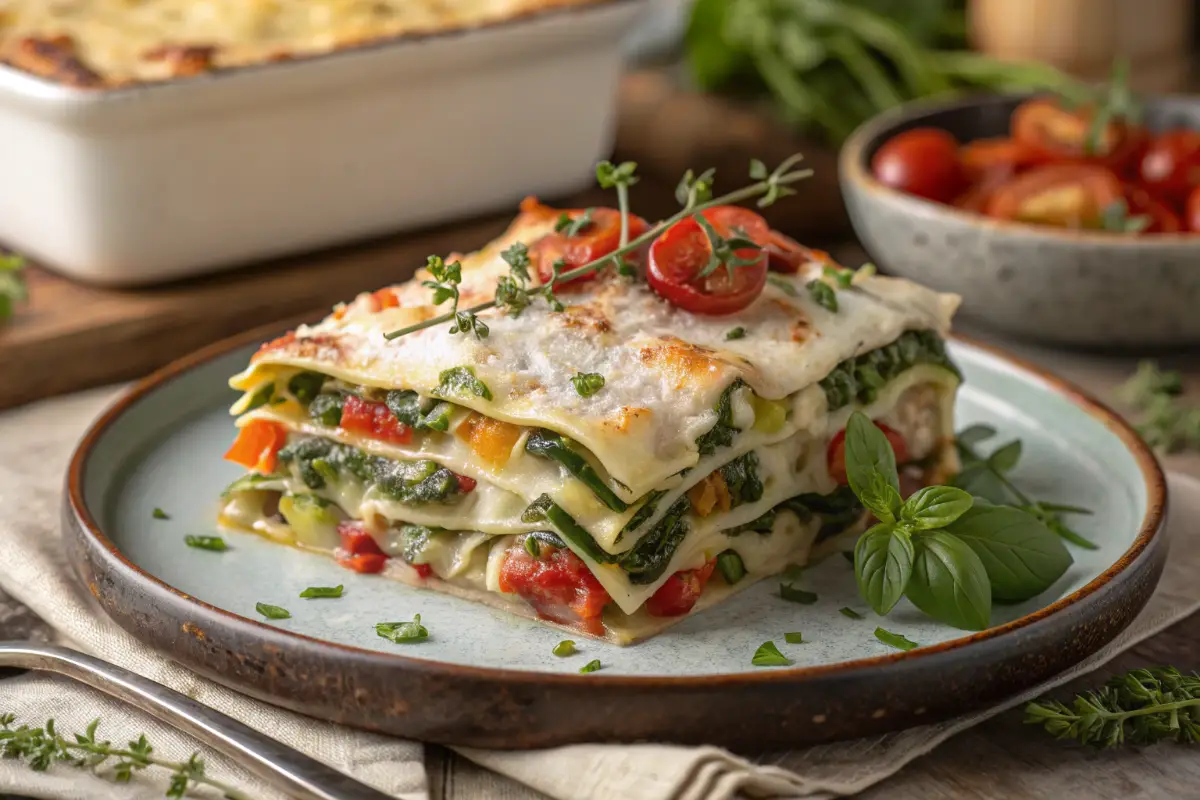
- Pre-roast vegetables and salt and drain zucchini to concentrate flavor and remove excess moisture, so the lasagna stays firm, not soggy.
- Layer with intention: spread ricotta evenly, arrange vegetables in a single layer, and ensure sauce hydrates no-boil noodles properly.
- Make-ahead friendly and flexible: assemble ahead or freeze unbaked, and swap seasonal produce or dietary substitutes without losing spring flavor.
Last Updated on April 2, 2026 by Souhail
There’s a reason Spring Vegetable Lasagna has become my most-requested dish during the warmer months: it captures the essence of the season in every layered bite. I first perfected this recipe after a trip to the Union Square Greenmarket, where the asparagus was so tender and the peas so sweet, I knew they deserved a showcase beyond a simple sauté.
This isn’t just a special-occasion centerpiece; it’s a versatile weeknight dinner that comes together with minimal fuss once you have your vegetables prepped. The beauty of this dish lies in its flexibility—you can swap in whatever spring produce looks best at your local market, making it a reliable template for seasonal cooking.
Imagine tender zucchini, bright green asparagus, and sweet peas nestled between sheets of pasta, all bound with a lemon-kissed ricotta filling and topped with a golden, bubbling cheese crust. The result is a lasagna that feels indulgent yet light, with layers of flavor that build from the aromatic garlic-herb base to the final melt of mozzarella.
Table of contents
- Why This Spring Vegetable Lasagna Nails Seasonal Flavor
- Pro Tips for Flawless Spring Vegetable Lasagna Every Time
- Make It Your Own: Spring Vegetable Lasagna Variations
- Perfect Pairings: Serving Suggestions for Spring Vegetable Lasagna
- Storing and Reheating Your Spring Vegetable Lasagna
- Beyond Dinner: Creative Ways to Enjoy Spring Vegetable Lasagna
- How Do You Make IT
- FAQS
- The Story Behind Spring Vegetable Lasagna
- Health Benefits of Spring Vegetable Lasagna
- Final Thoughts on Your Spring Vegetable Lasagna
Why This Spring Vegetable Lasagna Nails Seasonal Flavor
What sets this Spring Vegetable Lasagna apart is its intentional balance of textures and flavors. The vegetables are pre-roasted to concentrate their natural sweetness, preventing a watery final dish while enhancing their garden-fresh character. This technique, combined with a lightly seasoned ricotta layer, ensures every slice holds together beautifully without feeling heavy.
- Layered flavor development: Roasting vegetables first deepens their taste and removes excess moisture, so your lasagna stays firm, not soggy.
- Smart seasonal swaps: This recipe welcomes whatever looks best at the market—peas, artichokes, or even fava beans—making it adaptable week after week.
- Make-ahead friendly: Assemble it a day ahead and bake when ready, perfect for stress-free entertaining or easy weeknight dinners.
- Light yet satisfying: By using a blend of part-skim ricotta and fresh herbs, you get creamy richness without weighing down the vibrant spring produce.
If you’re looking for another comforting pasta bake with a protein twist, my Cottage Cheese Lasagna offers a similar layered experience with a high-protein filling that’s equally crowd-pleasing. For dietary adaptations, simply swap in gluten-free noodles or use a dairy-free ricotta alternative—this recipe forgives and flexes with your needs.
Pro Tips for Flawless Spring Vegetable Lasagna Every Time
Getting this lasagna right comes down to a few key techniques that guarantee perfect layers and balanced moisture. I’ve tested this recipe dozens of times to refine these steps, so you can skip the guesswork and go straight to a golden, bubbly result.
- Pre-roast your vegetables: Toss zucchini, asparagus, and peas with olive oil and roast at 400°F for 12–15 minutes. This step concentrates flavor and prevents excess water from seeping into your layers.
- Salt and drain zucchini: After slicing, sprinkle zucchini with salt and let it sit for 10 minutes, then pat dry. This simple move avoids a soggy center.
- Use no-boil noodles wisely: If you choose no-boil lasagna sheets, ensure your sauce has enough liquid to hydrate them during baking. A slightly thinner tomato base works perfectly here.
- Layer with intention: Spread ricotta mixture evenly, then arrange vegetables in a single layer before adding sauce. This prevents clumping and ensures every bite has balanced flavor.
- Rest before slicing: Let the lasagna sit for 15–20 minutes after baking. This allows the layers to set, making clean slices that hold their shape on the plate.
- Finish with bright accents: A final sprinkle of lemon zest or fresh basil after baking lifts the entire dish, enhancing those spring flavors without extra cooking.
These details might seem small, but they’re what transform a good lasagna into a great one. The goal is to let the seasonal produce shine while maintaining that classic lasagna comfort we all love.
Make It Your Own: Spring Vegetable Lasagna Variations
One of the joys of this recipe is its adaptability to different tastes, dietary needs, or whatever’s in your crisper drawer. Below are a few tested variations that keep the spirit of spring while offering fun twists.
Mediterranean Spring Twist
Swap the tomato sauce for a light white wine and garlic base, then add artichoke hearts, kalamata olives, and a sprinkle of feta alongside the ricotta. This version leans into bright, briny flavors that pair beautifully with crisp spring vegetables.
Protein-Packed Upgrade
For a heartier meal, fold in cooked lentils or white beans with your ricotta mixture. Alternatively, layer in thinly sliced grilled chicken or shrimp for a non-vegetarian option that still highlights the seasonal produce.
Gluten-Free or Dairy-Free Adaptations
Use your favorite gluten-free lasagna noodles and ensure they’re the no-boil variety for easiest assembly. For dairy-free, try a cashew-based ricotta alternative and skip the mozzarella topping or use a plant-based melty cheese.
Lighter Spring Lasagna Soup Style
If you love the flavors but want something quicker and broth-based, deconstruct this recipe into a Lasagna Soup with spring vegetables. It’s a fantastic weeknight shortcut that delivers similar comfort in half the time.
| Variation | Key Change | Best For |
|---|---|---|
| Mediterranean | White sauce, olives, feta | Bright, briny flavor lovers |
| Protein-Packed | Lentils, beans, or grilled protein | Heartier appetites or post-workout meals |
| Gluten-Free/Dairy-Free | Alternative noodles and cheeses | Dietary restrictions without sacrificing flavor |
| Soup-Style | Deconstructed, broth-based | Quick weeknights or lighter portions |
Perfect Pairings: Serving Suggestions for Spring Vegetable Lasagna
This lasagna is a complete meal on its own, but the right accompaniments can elevate your spring dinner into something truly special. Think fresh, light sides that complement rather than compete with the dish’s vibrant layers.
Serve with a simple arugula salad dressed in lemon vinaigrette—the peppery greens and bright acidity cut through the richness of the cheese beautifully. For a heartier spread, add garlic-roasted asparagus or a crusty baguette to soak up every last bit of sauce.
A crisp, dry white wine like Pinot Grigio or a sparkling water with citrus enhances the meal without overwhelming the delicate spring flavors. These pairings keep the focus on the lasagna while rounding out a satisfying, seasonal table.
Storing and Reheating Your Spring Vegetable Lasagna
Proper storage ensures your leftovers taste just as vibrant as the first slice. Because this lasagna contains fresh vegetables and dairy, a few simple steps will keep it fresh and flavorful for days.
| Storage Method | Duration | Notes |
|---|---|---|
| Refrigerator | Up to 4 days | Cover tightly with foil or store in an airtight container to prevent drying |
| Freezer | Up to 3 months | Wrap individual portions in parchment then foil for easy reheating; thaw overnight in fridge before baking |
| Counter | Not recommended | Due to dairy and vegetable content, avoid leaving at room temperature longer than 2 hours |
To reheat, cover slices with foil and warm in a 350°F oven until heated through, about 20 minutes for refrigerated portions. For a crisp top, remove the foil for the last 5 minutes. Microwave reheating works in a pinch, but the oven preserves texture best.
Beyond Dinner: Creative Ways to Enjoy Spring Vegetable Lasagna
This versatile dish isn’t just for weeknight dinners—it can adapt to brunch, meal prep, or even casual entertaining with a few clever tweaks. Here are some Pinterest-worthy ideas to inspire your next kitchen adventure.
Brunch Lasagna Squares: Cut cooled lasagna into neat squares, top with a poached egg and microgreens, and serve for a show-stopping spring brunch. The creamy yolk adds a luxurious touch that guests will love.
Meal Prep Bowls: Layer individual portions in mason jars with a side of marinara for easy grab-and-go lunches. They reheat beautifully and stay fresh for up to four days, making weekly planning a breeze.
Appetizer-Size Lasagna Rolls: Use no-boil noodles to create mini rolls filled with ricotta and spring veggies, then bake until golden. These are perfect for parties and pair wonderfully with a light spring salad.
If you’re exploring more creative pasta bakes, my Dumpling Lasagna offers a fun fusion twist that’s equally impressive for entertaining. Each of these ideas leverages the same foundational flavors while adapting to different occasions.
How Do You Make IT
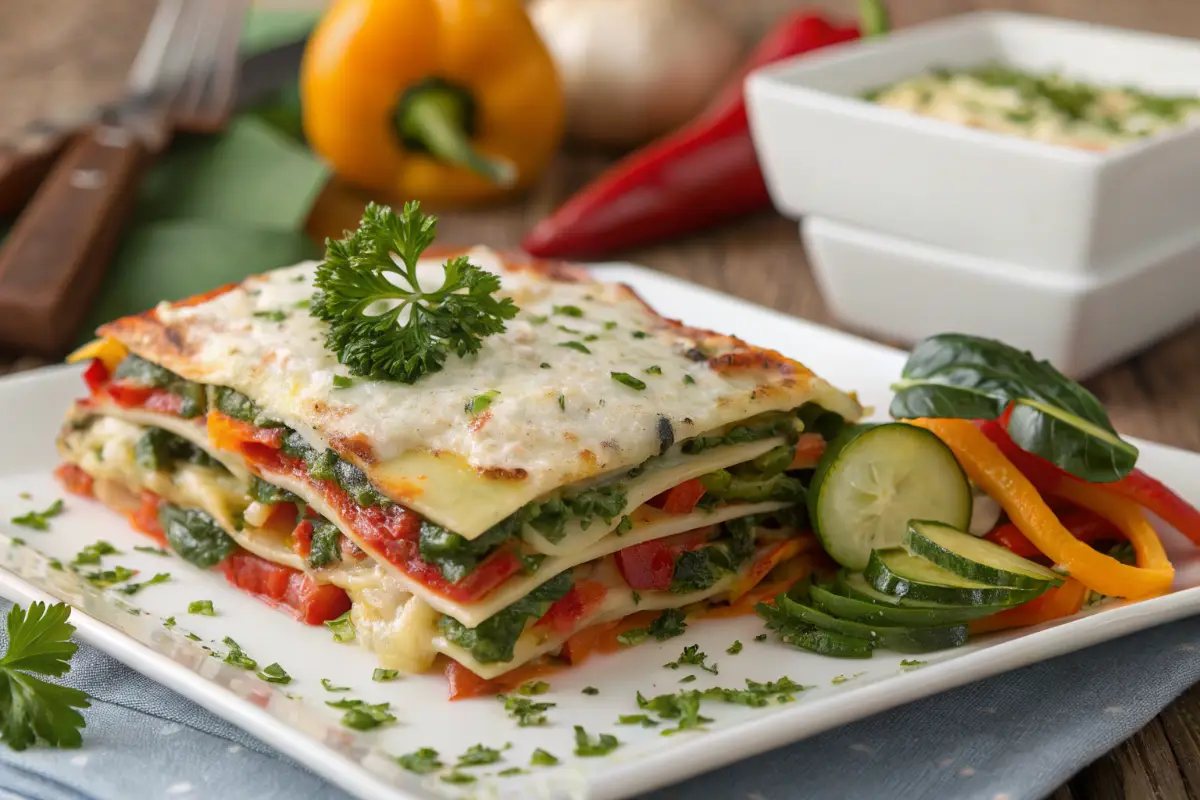

Spring Vegetable Lasagna
This fresh, layered pasta bake celebrates seasonal produce with creamy ricotta, tender vegetables, and a golden cheese topping—perfect for easy weeknight dinners or spring entertaining.
8
servings30
minutes45
minutes385
kcalKeep the screen of your device on
Ingredients
12 no-boil lasagna noodles
2 cups whole-milk ricotta cheese
1 large egg
0.5 cup grated Parmesan cheese, divided
2 tablespoons fresh basil, chopped
1 teaspoon lemon zest
0.25 teaspoon freshly grated nutmeg
1 medium zucchini, thinly sliced
1 bunch asparagus, trimmed and cut into 2-inch pieces
1 cup fresh or frozen peas
3 cups marinara sauce (homemade or high-quality store-bought)
2 cups shredded mozzarella cheese
2 tablespoons olive oil
3 cloves garlic, minced
Salt and black pepper to taste
Directions
- Preheat your oven to 375°F and lightly grease a 9×13-inch baking dish.
- Toss the zucchini, asparagus, and peas with olive oil, salt, and pepper, then spread on a baking sheet and roast for 12–15 minutes until tender and lightly caramelized.
- This step concentrates flavor and prevents excess moisture in your final dish.
- In a medium bowl, combine ricotta, egg, 0.25 cup Parmesan, basil, lemon zest, and nutmeg. Mix until smooth and well blended.
- This herbed ricotta layer is the creamy heart of your lasagna, so don’t skip the fresh herbs and citrus zest—they brighten the entire dish.
- Spread 1 cup of marinara sauce evenly in the bottom of your prepared baking dish.
- Arrange 4 lasagna noodles over the sauce, slightly overlapping if needed. This base layer prevents sticking and ensures even cooking from the bottom up.
- Spread half the ricotta mixture over the noodles, then top with half the roasted vegetables and another cup of marinara.
- Sprinkle with 0.5 cup mozzarella.
- Repeat the layers: noodles, remaining ricotta, remaining vegetables, remaining marinara, and remaining mozzarella.
- Cover tightly with foil and bake for 30 minutes.
- Remove the foil, sprinkle with the remaining 0.25 cup Parmesan, and bake uncovered for an additional 15 minutes, until the top is golden and bubbly.
- Let rest for 15–20 minutes before slicing to allow the layers to set for clean servings.
Notes
- Vegetable prep is key: Roasting vegetables first prevents a watery lasagna and deepens their natural sweetness.
- No-boil noodle tip: If your sauce seems thick, add 0.25 cup water to help hydrate the noodles during baking.
- Make-ahead option: Assemble completely, cover, and refrigerate up to 24 hours before baking; add 10–15 minutes to covered baking time if starting cold.
- Freezing instructions: Wrap cooled, unbaked lasagna tightly in foil and freeze for up to 3 months; thaw overnight before baking as directed.
- Fresh herb swap: If basil isn’t available, try fresh thyme or parsley for a different but equally delicious spring note.
- Cheese alternatives: Part-skim ricotta works well for a lighter version; just ensure it’s well-drained to avoid excess moisture.
Nutrition Facts
- Total number of serves: 8
- Calories: 385kcal
- Fat: 18g
- Saturated Fat: 9g
- Cholesterol: 0.65mg
- Sodium: 0.620mg
- Carbohydrates: 38g
- Fiber: 4g
- Sugar: 8g
- Protein: 22g
- Calcium: 0.350mg
- Iron: 0.3mg
Like this recipe?
Follow @wikitasty on Pinterest
FAQS
Absolutely. If using fresh noodles, boil them just until pliable (about 2–3 minutes), then drain and lay flat on oiled parchment to prevent sticking. Adjust baking time slightly, as fresh noodles require less hydration during baking.
The key is pre-roasting your vegetables and salting/draining zucchini before assembly. These steps remove excess moisture that would otherwise seep into your layers. Also, avoid over-saucing—three cups is plenty for a 9×13 dish.
Yes! You can freeze it either before or after baking. For best results, freeze unbaked: assemble completely, wrap tightly in foil, and freeze for up to 3 months. Thaw overnight in the refrigerator before baking as directed, adding 10–15 minutes if needed.
Focus on tender, quick-cooking spring produce: asparagus, zucchini, peas, artichoke hearts, spinach, or fava beans. Avoid watery vegetables like raw tomatoes or eggplant unless pre-roasted. The goal is vibrant color and flavor without excess moisture.
Yes, with a few swaps. Use a plant-based ricotta (cashew or almond-based works well), dairy-free mozzarella, and ensure your marinara is vegan. Nutritional yeast can add a cheesy depth to the filling if desired.
Store covered in the refrigerator for up to 4 days. Reheat individual slices in the oven at 350°F for best texture, or microwave for convenience. For longer storage, freeze portions for up to 3 months.
The Story Behind Spring Vegetable Lasagna
This recipe was born from a desire to capture the fleeting beauty of spring in a dish that feels both celebratory and comforting. I remember standing in a sun-drenched farmers market, baskets overflowing with just-picked asparagus and peas, wondering how to honor their delicate flavor without overcomplicating them.
Lasagna, with its forgiving layers and adaptable structure, became the perfect canvas. The first time I tested this version, the aroma of roasting vegetables mingled with garlic and basil filled my kitchen, and I knew I had something special—a dish that feels like a hug from the season itself.
Over the years, it’s become a staple for Easter brunch, Mother’s Day dinners, and those transitional evenings when winter’s heaviness lifts but you still crave something warm and layered. It’s proof that comfort food can be light, vibrant, and deeply satisfying all at once.
Health Benefits of Spring Vegetable Lasagna
| Nutrient or Ingredient | Benefit |
|---|---|
| Zucchini & Asparagus | Rich in fiber, vitamins A and C, and antioxidants that support immune health and digestion |
| Ricotta Cheese | Provides high-quality protein and calcium for bone health, with less fat than many hard cheeses |
| Fresh Peas | Offer plant-based protein, iron, and folate, supporting energy metabolism and cell function |
| Olive Oil | Contains heart-healthy monounsaturated fats and anti-inflammatory compounds |
| Garlic & Basil | Deliver antioxidants and anti-inflammatory properties that support overall wellness |
This lasagna balances indulgence with nourishment by prioritizing whole, seasonal ingredients. The vegetables provide essential vitamins and fiber, while the dairy elements offer protein and calcium without excessive richness. By using part-skim ricotta and loading up on produce, you get a satisfying meal that fuels your body while delighting your taste buds.
It’s not just about what’s in the dish, but how it makes you feel: energized by fresh flavors, comforted by familiar layers, and connected to the rhythm of the seasons. That’s the real nourishment.
Final Thoughts on Your Spring Vegetable Lasagna
This Spring Vegetable Lasagna is more than just a recipe—it’s a celebration of what spring offers at its best. With its vibrant layers, creamy ricotta filling, and golden cheese topping, it delivers comfort without heaviness and impresses without stress. Whether you’re cooking for family, friends, or just yourself, it’s a dish that brings joy to the table.
If you loved this recipe, you might also enjoy my Panko Crusted Baked Tilapia for a light, crispy main that pairs beautifully with spring sides, or revisit the Cottage Cheese Lasagna for another high-protein, crowd-pleasing bake.
Save this Spring Vegetable Lasagna recipe for your next seasonal dinner—it’s the kind of dish that makes people ask for seconds and request the recipe. Pin it, make it, and let those fresh spring flavors shine in your kitchen.