
Last Updated on April 14, 2026 by Souhail
This post contains affiliate links. As an Amazon Associate, we earn from qualifying purchases. This means we may earn a small commission if you purchase through our links, at no extra cost to you.
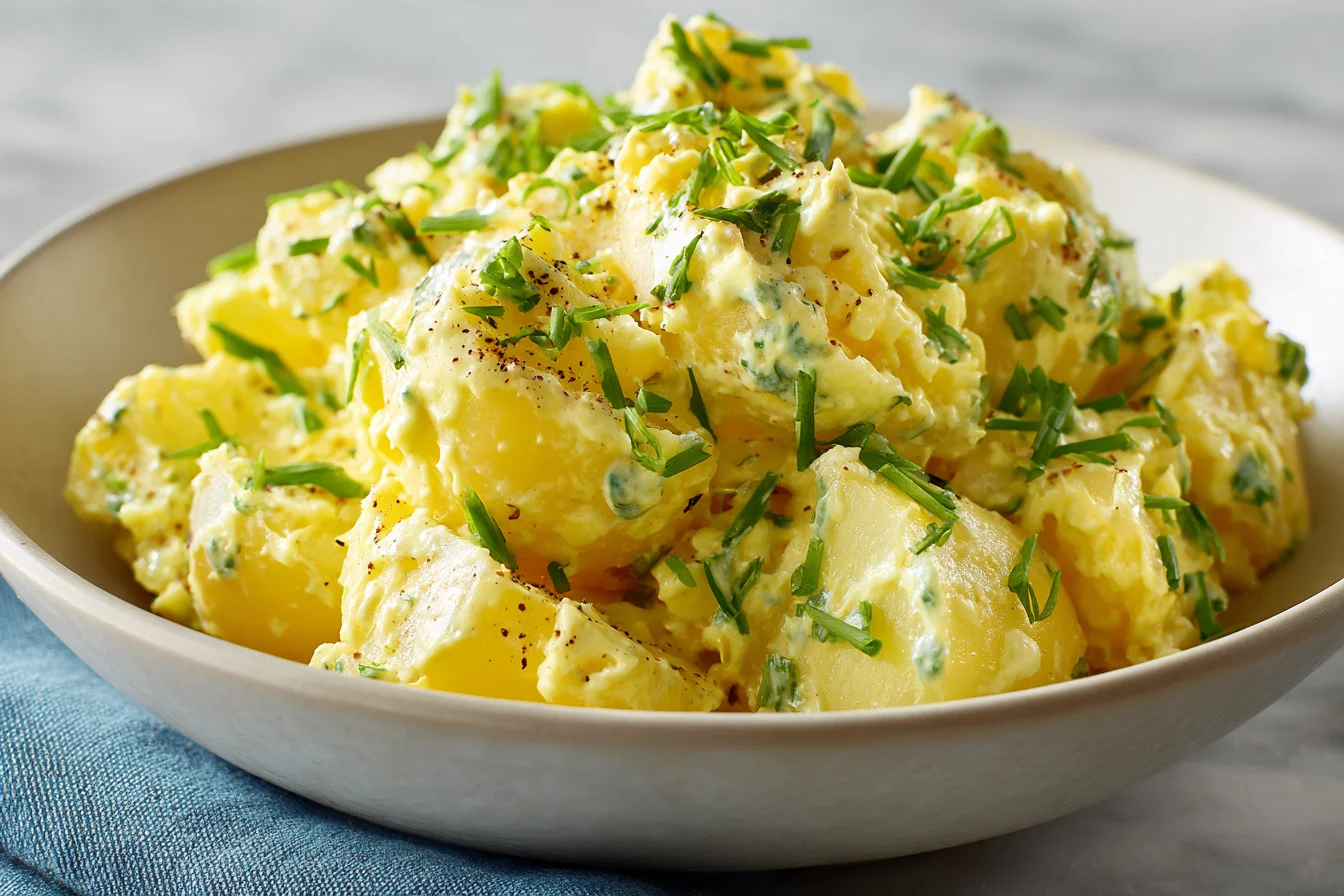
There’s something timeless about a great Classic Potato Salad with Mustard Dressing. It’s the kind of dish that brings people together, whether you’re hosting a summer barbecue, packing lunch for a picnic, or bringing a crowd-pleasing side to a potluck. The tangy mustard dressing cuts through the richness of the potatoes with bright, assertive flavor that keeps everyone coming back for more.
I’ve made this potato salad recipe hundreds of times throughout my career, and I’ve learned that the magic isn’t just in quality ingredients. It’s also in technique, timing, and understanding how flavors develop together. When you dress warm potatoes, they absorb the dressing more effectively, creating a more flavorful result than traditional cold potato salad recipes.
This recipe belongs on your lunch rotation because it’s versatile, satisfying, and actually gets better as it sits. Therefore, it’s perfect for meal prep or making ahead for busy weekdays.
Table of contents
- Why You'll Love This Recipe
- How to Make This Tangy Mustard Potato Salad
- Tips for Making the Perfect Classic Potato Salad with Mustard Dressing
- Delicious Variations on the Traditional Recipe
- Understanding the Nutrition Profile
- Pairing This Salad with Your Favorite Lunch Dishes
- Keeping Your Potato Salad Fresh and Delicious
- Common Questions About This Recipe
Why You’ll Love This Recipe
- This recipe comes together in just 30 minutes, making it perfect for busy lunch preparations when you need a satisfying side dish without spending hours in the kitchen.
- The mustard dressing provides a bold, tangy flavor profile that distinguishes this potato salad from mayonnaise-heavy versions, offering a lighter and more refreshing option for warm weather meals.
- This classic potato salad actually improves as it sits in the refrigerator, making it an excellent candidate for meal prep and advance preparation for upcoming lunch events.
- You can easily customize this mustard-based potato salad with different vegetables, proteins, and seasonings to match your taste preferences or dietary requirements without compromising the core recipe.
How to Make This Tangy Mustard Potato Salad
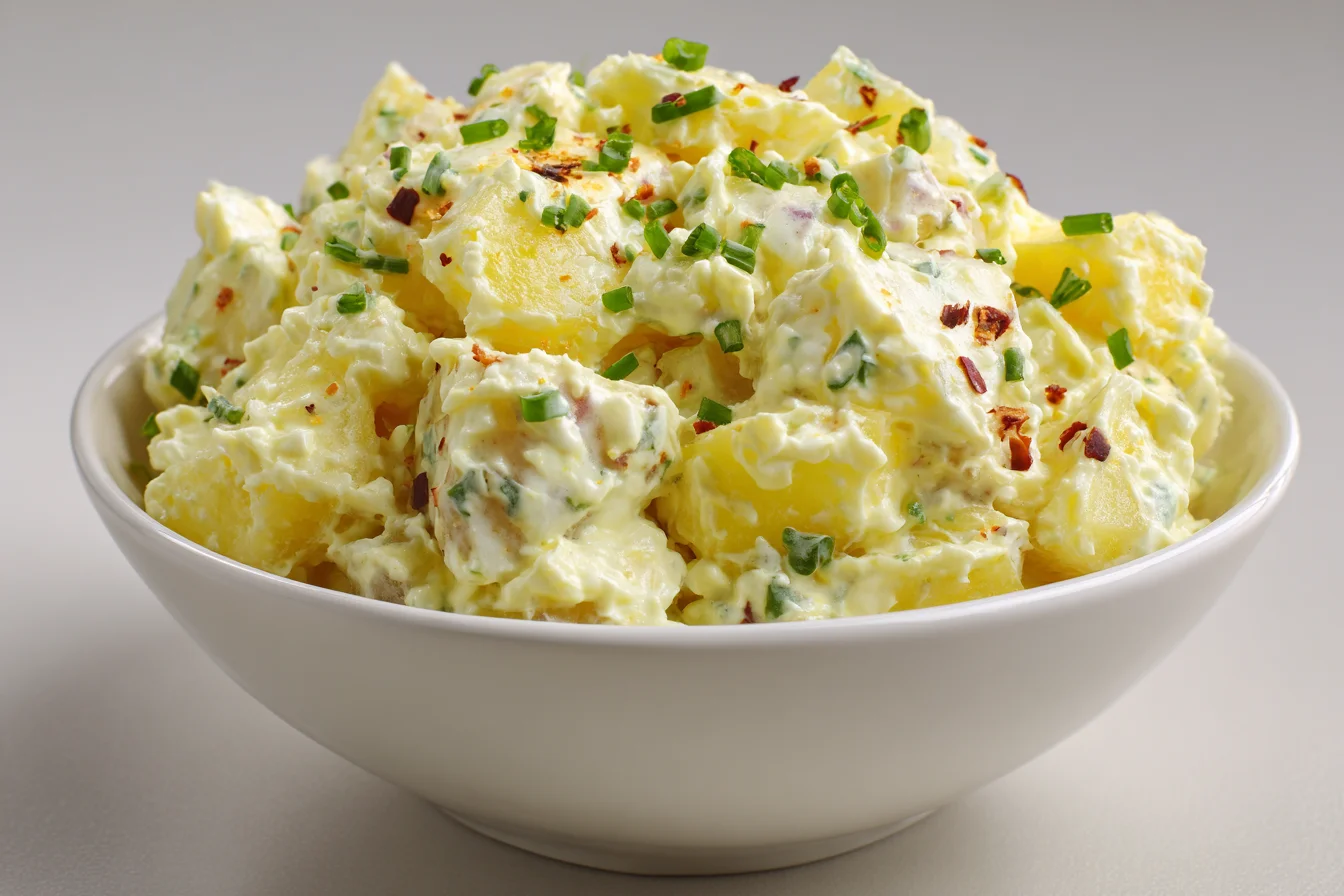

Classic Potato Salad with Mustard Dressing
This tangy mustard-based potato salad features tender waxy potatoes coated in a bright, flavorful dressing. Perfect for lunch gatherings, it’s best made ahead so flavors can meld together beautifully.
8
servings15
minutes15
minutes180
kcalKeep the screen of your device on
Ingredients
2 lbs red potatoes
3 tablespoons Dijon mustard
2 tablespoons whole grain mustard
3 tablespoons apple cider vinegar
1/4 cup extra virgin olive oil
1/2 cup diced red onion
1/2 cup diced celery
3 tablespoons fresh dill
1 teaspoon kosher salt
1/2 teaspoon black pepper
Directions
- Bring a large pot of salted water to a boil, then add the cubed potatoes and cook for 12-15 minutes until they’re fork-tender but still hold their shape. Drain immediately and transfer to a large mixing bowl while still warm.
- Whisk together the Dijon mustard, whole grain mustard, and apple cider vinegar in a small bowl until well combined. The mixture should be smooth and evenly blended.
- Drizzle the olive oil into the mustard mixture while whisking continuously to create an emulsified dressing. This helps the flavors combine smoothly.
- Pour the warm mustard dressing over the hot potatoes and toss gently to coat evenly. The warm potatoes will absorb the dressing more effectively.
- Fold in the diced red onion and celery, stirring gently to distribute throughout. Season with kosher salt and black pepper, tasting as you go.
- Let the salad cool to room temperature, then cover and refrigerate for at least two hours, preferably overnight, before serving. This allows flavors to develop and meld together.
Notes
- For best results, use waxy potatoes like red potatoes or fingerlings rather than starchy varieties.
- Dressing the potatoes while warm allows them to absorb more flavor than if you wait until they cool.
- This salad improves as it sits and can be made up to four days ahead, making it perfect for meal prep.
- Feel free to add hard-boiled eggs, bacon, or beans for extra protein and substance.
- Store in an airtight container in the refrigerator for up to four days.
Nutrition Facts
- Serving Size: 1
- Total number of serves: 8
- Calories: 180kcal
- Fat: 9g
- Carbohydrates: 22g
- Fiber: 2g
- Protein: 3g
Like this recipe?
Follow @wikitasty on Pinterest
Tips for Making the Perfect Classic Potato Salad with Mustard Dressing
Mastering this potato salad requires attention to a few key details. First, choose the right potato variety and handle them properly throughout the cooking process. Additionally, understanding how to build and balance the mustard dressing ensures every bite tastes restaurant-quality.
Choose the Right Potatoes
Waxy potatoes like red potatoes or fingerlings hold their shape beautifully during cooking and provide the ideal texture for potato salad. These varieties absorb dressing without becoming mushy or falling apart. Therefore, avoid starchy potatoes like russets, which break down too easily and create a chunky, unpleasant consistency.
Dress While Warm
This is the professional chef’s secret that makes a real difference. When you dress the warm potatoes immediately after cooking, they absorb the mustard dressing more effectively than cold potatoes would. In addition, the flavors penetrate deeper, creating a more cohesive and flavorful dish overall. Let them cool slightly before adding any delicate ingredients like fresh herbs.
Balance Your Mustard Blend
Combine Dijon mustard with whole grain mustard for complexity and texture. The Dijon provides sharp, refined flavor while whole grain mustard adds visual interest and a slightly milder, nuttier note. As a result, you’ll achieve a more sophisticated dressing that doesn’t overwhelm the potatoes.
Don’t Skip the Vinegar
Apple cider vinegar or white wine vinegar brightens the dressing and helps preserve the salad. The acidity also balances the richness from any oil in the dressing. However, taste as you go—you want tang without harshness.
Make It Ahead for Better Flavor
Prepare this classic potato salad with mustard dressing at least two hours before serving, or better yet, make it the day before. The flavors meld and deepen as the salad sits, and the potatoes continue absorbing the dressing. Therefore, it’s one of the best lunch dishes for advance preparation. For serving suggestions beyond simple sides, consider pairing it with crispy potato skins as a more substantial lunch option.
Delicious Variations on the Traditional Recipe
While the classic version is wonderful on its own, this mustard-based potato salad welcomes creative adaptations. The beauty of this recipe lies in its flexibility—you can adjust ingredients based on what you have available or your dietary preferences. Therefore, try these variations to keep your lunch routine interesting.
Add Protein for a Complete Lunch
Fold in diced hard-boiled eggs, crispy bacon bits, or grilled chicken to transform this side dish into a complete lunch. For vegetarian options, add white beans or chickpeas for protein and substance. In addition, you can toss in some Mediterranean chickpea salad elements like olives and feta cheese for Mediterranean-inspired flavor.
Fresh Herb Variations
Experiment with fresh dill, tarragon, or chives to add brightness and complexity. Fresh herbs layer beautifully with the mustard dressing and elevate the overall flavor profile significantly. However, add fresh herbs just before serving to maintain their vibrant color and delicate taste.
Vegetable Add-Ins
Dice crisp celery, red onions, bell peppers, or cucumber to add texture and freshness. Roasted vegetables like red peppers or zucchini also work wonderfully. Therefore, you can customize based on seasonal availability and personal preference.
Dairy-Free and Vegan Option
This recipe naturally works well without any dairy products. Simply ensure your mustard dressing uses vegetable oil instead of any animal products, and skip any cheese or mayo additions. As a result, it’s naturally accommodating for various dietary needs without sacrificing flavor or satisfaction.
Gluten-Free Friendly
This classic potato salad with mustard dressing is already gluten-free in its basic form. However, verify that your mustard brand doesn’t contain hidden gluten, and check any packaged ingredients you add. Most quality mustards are naturally gluten-free, making this an excellent option for gluten-sensitive diners.
Creamy Hybrid Version
If you want the best of both worlds, create a hybrid by mixing your mustard dressing with a small amount of Greek yogurt or light mayo. This adds creaminess while maintaining the tangy mustard character. You might also explore pesto pasta salad recipes for inspiration on combining different flavor profiles with potato-based dishes.
Understanding the Nutrition Profile
This classic potato salad with mustard dressing provides a well-balanced lunch component. Each serving contains approximately 180 calories, making it a reasonable addition to any meal plan. The carbohydrate content comes primarily from the potatoes themselves, which provide valuable complex carbs and fiber.
You’ll find about 4 grams of protein per serving, which increases significantly if you add eggs, beans, or meat. The fat content stays relatively modest at around 8 grams per serving, mostly from the oil in the mustard dressing. Furthermore, the fiber content supports digestive health, particularly if you leave potato skins on.
The mustard dressing contributes minimal sugar while providing beneficial compounds from the mustard seeds themselves. Therefore, this recipe offers genuine nutritional value beyond just satisfying hunger. For those watching sodium intake, remember that mustard and salt contribute to the overall sodium content, so taste carefully before adding additional salt.
Pairing This Salad with Your Favorite Lunch Dishes
This mustard-dressed potato salad serves as the perfect companion to grilled proteins. Serve it alongside grilled chicken, fish, or lean beef for a complete, satisfying lunch that feels restaurant-quality. The tangy dressing complements smoky barbecued flavors beautifully, making it an ideal choice for summer lunch gatherings. Additionally, it works wonderfully with sandwiches, wraps, or grain bowls, adding substance and flavor without heaviness.
For vegetarian lunch options, pair this salad with fresh bread, cheese, and cured vegetables for a Mediterranean-inspired plate. You might also serve it alongside roasted vegetables or as part of a composed salad with fresh greens. In addition, it works beautifully in lunchboxes layered with other components, as the flavors continue developing throughout the day. Therefore, it’s one of the most versatile lunch dishes you can prepare.
Keeping Your Potato Salad Fresh and Delicious
Store your classic potato salad with mustard dressing in an airtight glass or plastic container in the refrigerator. Proper storage ensures the salad maintains its quality and safety for lunch throughout the week. The potato salad will keep well for up to four days when stored correctly at temperatures below 40°F.
If you notice any off odors, unusual colors, or slimy texture, discard the salad immediately. For food safety guidance, consult CDC food safety prevention resources for proper handling of potato-based dishes. Additionally, learn more about egg safety guidelines if your version includes hard-boiled eggs. For comprehensive information on maintaining food safety, visit the CDC food safety overview page.
Freezing is not recommended for this salad. The potatoes become watery and mushy when thawed, and the texture deteriorates significantly. However, you can freeze the mustard dressing separately in an ice cube tray for up to three months, then thaw and use it for future batches. This approach saves time if you make potato salad frequently.
When packing this salad for lunch, keep it in an insulated container with an ice pack to maintain proper temperature. Remove it from the refrigerator just before leaving, and consume within two hours if you won’t have access to refrigeration. As a result, you’ll enjoy maximum freshness and safety throughout your workday.
Common Questions About This Recipe
Below, I’ve answered the questions I hear most frequently from home cooks preparing this classic potato salad. Whether you’re new to making mustard-based potato salad or you’re refining your technique, these answers should help you achieve the best possible results.
Absolutely! In fact, this classic potato salad with mustard dressing improves when made a day ahead. The potatoes continue absorbing the dressing, and flavors deepen and meld together beautifully. Store it in an airtight container in the refrigerator for up to four days. Just give it a gentle stir before serving, and add fresh herbs right before if desired.
Waxy potatoes like red potatoes, fingerlings, or new potatoes are ideal for this mustard-based potato salad. These varieties hold their shape during cooking and absorb dressing effectively without becoming mushy. Avoid starchy potatoes like russets, which break down too easily and create an undesirable texture. The smaller waxy varieties also cook more evenly and quickly.
Warm potatoes have open, receptive cell structures that absorb the mustard dressing more effectively than cold potatoes. This results in a more flavorful salad where the dressing penetrates throughout, rather than just coating the surface. The flavors also develop and meld together better when the dressing is warm. This is a professional technique that makes a noticeable difference in the final result.
Yes! You can customize the mustard blend based on your preferences. Dijon mustard provides sharp, refined flavor, while whole grain mustard adds texture and nuttiness. Yellow mustard works but is milder. For something bolder, try spicy brown mustard. The key is balancing the mustard flavor with vinegar and oil so it complements rather than overwhelms the potatoes. Experiment to find your preferred ratio.
Start with waxy potatoes cut into similar-sized pieces so they cook evenly. Don’t overcook them—they should be fork-tender but still hold their shape. Drain them immediately after cooking and let them cool slightly before dressing. Cut them while still slightly warm so they absorb the dressing, but give them enough time to cool so they don’t fall apart. Using a gentle hand when stirring also helps maintain their integrity.
This classic potato salad with mustard dressing is naturally gluten-free in its basic form. However, you should verify that your mustard brand doesn’t contain hidden gluten, as some specialty mustards might. Most quality mustards are naturally gluten-free. Check any other packaged ingredients you add as well. When made carefully with certified gluten-free products, it’s an excellent option for gluten-sensitive diners.
I truly hope you’ll make this classic potato salad with mustard dressing soon. It’s a recipe that rewards you with incredible flavor, versatility, and the kind of satisfaction that comes from sharing delicious homemade food. Your family and friends will absolutely love it.
Get into the kitchen, trust the process, and enjoy every bite. This is comfort food at its finest—simple, honest, and utterly delicious. Happy cooking!