
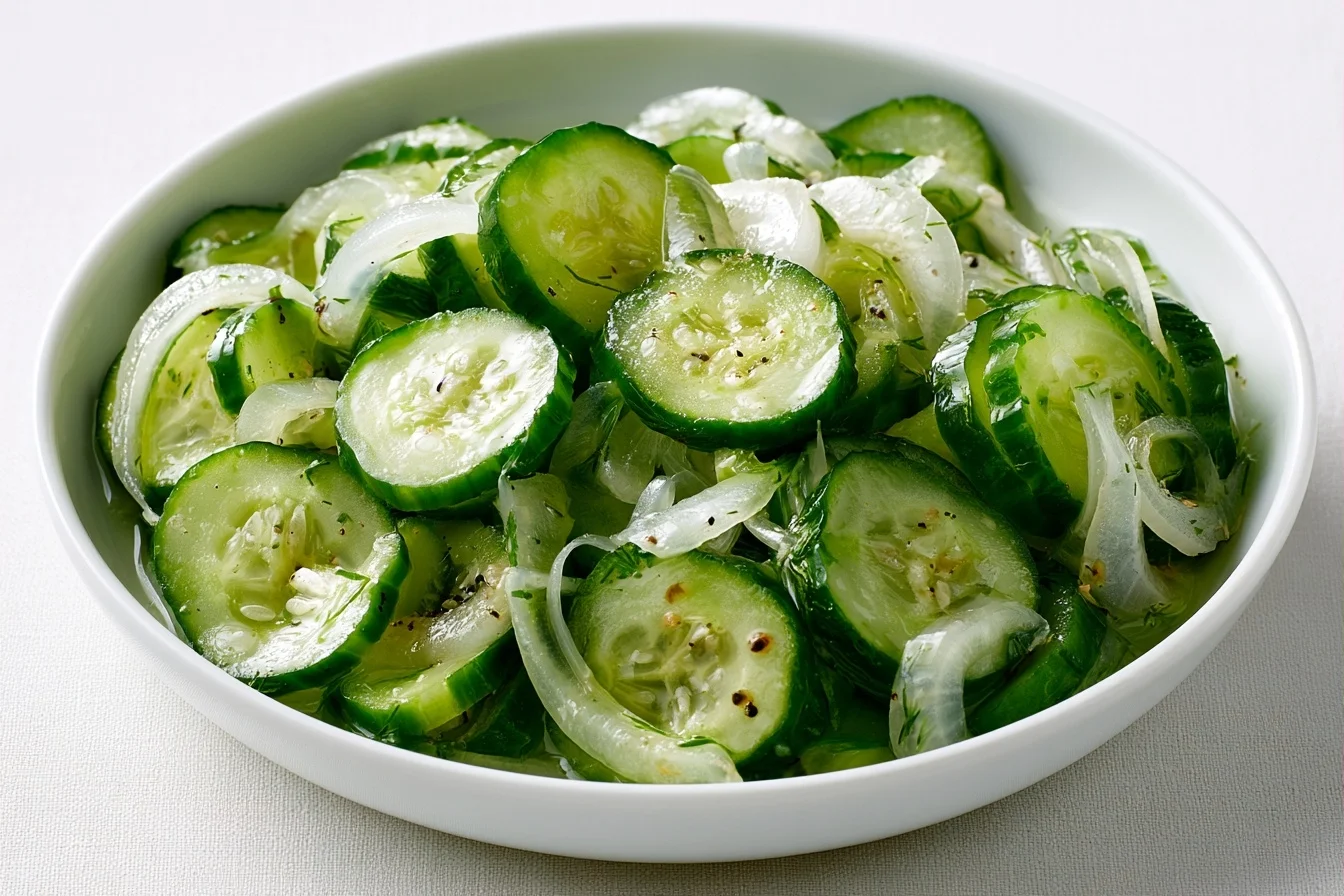
- Ready in 30 minutes: vinegar-based quick pickles deliver bright, restaurant-quality flavor without fermentation.
- Easily adjust sweetness, acidity, and spice; add aromatics like dill, garlic, or ginger to match any cuisine.
- Use pickling cucumbers, slice uniformly, soak in ice water, and pour boiling brine for maximum crunch and color.
- Store in airtight jars in the fridge up to three weeks; great on tacos, sandwiches, charcuterie, and rich meats.
Last Updated on July 29, 2026 by Simon
This post contains affiliate links. As an Amazon Associate, we earn from qualifying purchases. This means we may earn a small commission if you purchase through our links, at no extra cost to you.
There’s something magical about quick pickled cucumbers and onions that transforms simple vegetables into a bright, tangy condiment in just minutes. I discovered this recipe years ago at a farmers market, and it completely changed how I approach quick pickles. Unlike traditional fermented pickles that require weeks of patience, this vinegar-based method delivers restaurant-quality results in under an hour. The beauty lies in its simplicity and versatility.
What I love most about making quick pickled cucumbers and onions at home is the control you have over the flavors. You can adjust the spice level, sweetness, and acidity to match your preferences perfectly. Whether you’re looking for a crispy side dish for summer barbecues, a topping for tacos, or a palate-cleansing accompaniment to rich meals, this recipe delivers every single time. The result is a shelf-stable condiment that keeps for weeks and only gets better as it sits.
I remember my grandmother always had a jar of pickled vegetables in her refrigerator. She’d serve them alongside almost every meal, and I never understood why until I started cooking professionally. Pickled vegetables add brightness, acidity, and textural contrast that elevate everything from simple sandwiches to elaborate charcuterie boards. Now I make batches of quick pickled cucumbers and onions constantly, and my dinner guests always ask for the recipe.
Table of contents
- Why You'll Love This Recipe
- Let's Make Some Tangy Pickled Vegetables
- Expert Tips for Perfect Quick Pickled Cucumbers and Onions
- Creative Variations to Customize Your Batch
- Understanding the Nutrition Profile
- Pairing These Pickles With Your Favorite Meals
- Keeping Your Pickles Fresh and Flavorful
- Common Questions About Making Quick Pickles
Why You’ll Love This Recipe
- This recipe comes together in just 30 minutes total, making it perfect for busy weeknights when you need a tangy side dish without spending hours in the kitchen.
- You can customize the spice level, sweetness, and vinegar intensity to match your personal taste preferences, creating a condiment that’s uniquely yours.
- These pickled vegetables stay fresh in the refrigerator for up to three weeks, giving you a ready-made topping for sandwiches, tacos, salads, and charcuterie boards whenever you need it.
- The crisp, crunchy texture combined with bright vinegar flavor makes this an ideal palate cleanser between rich courses or a refreshing complement to heavy proteins.
- This is a completely hands-off recipe that requires no special equipment or canning knowledge, making it perfect for beginners and experienced cooks alike.
Let’s Make Some Tangy Pickled Vegetables
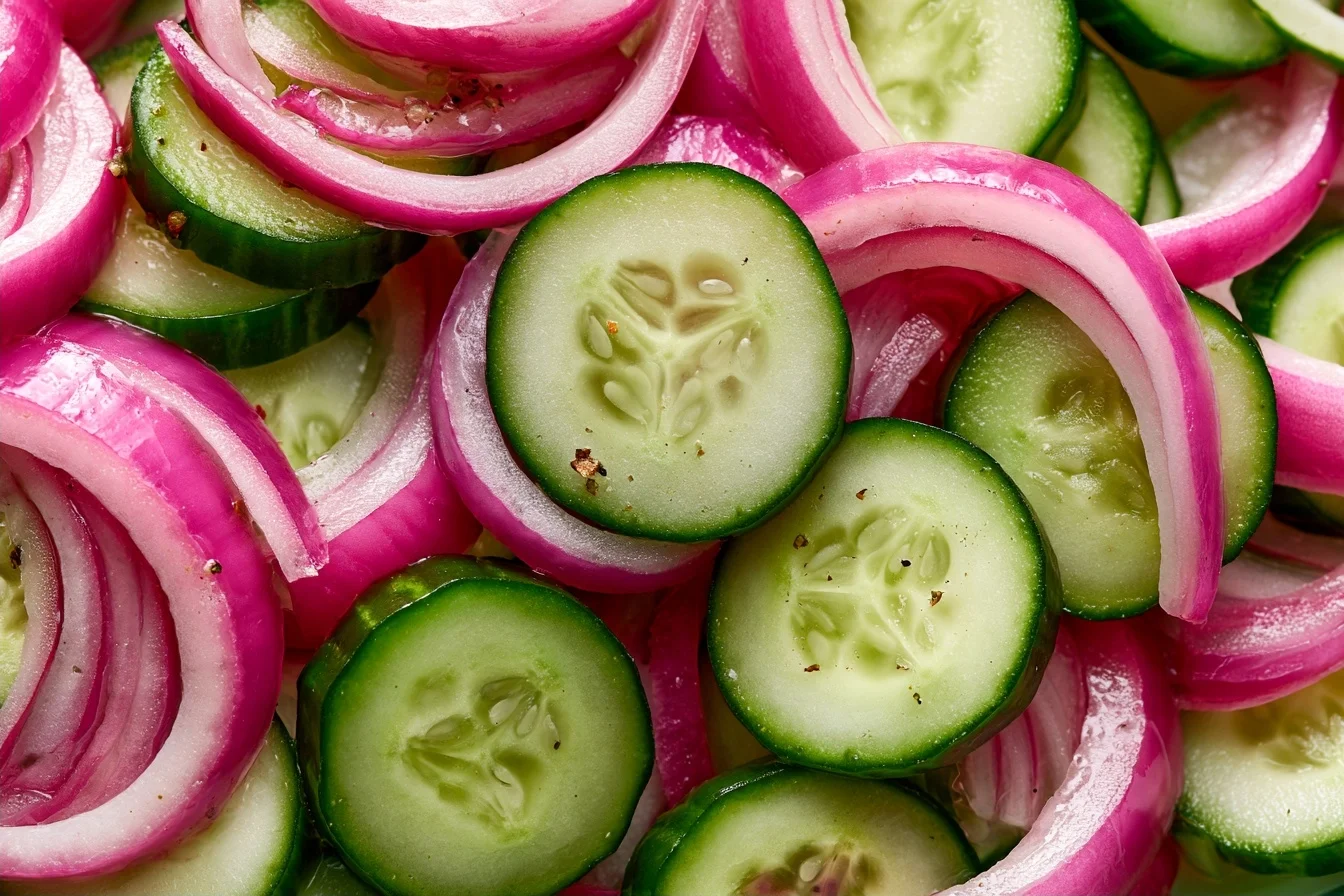

Quick Pickled Cucumbers and Onions
Crispy, tangy pickled cucumbers and onions ready in just 30 minutes. This simple vinegar-based recipe delivers restaurant-quality results with bright, complex flavors that complement any meal. Perfect for tacos, sandwiches, charcuterie boards, and more.
8
servings15
minutes5
minutes28
kcalKeep the screen of your device on
Ingredients
1 lb pickling cucumbers
2 medium yellow onions
1 cup white vinegar
1 cup water
2 tablespoons sugar
1.5 teaspoons salt
2 cloves garlic
1 teaspoon mustard seeds
0.5 teaspoon red pepper flakes
3-4 sprigs fresh dill
Directions
- Prepare your vegetables by slicing the pickling cucumbers into quarter-inch rounds and the onions into thin slices. Place the cucumbers in a bowl of ice-cold water and let them soak for 15 minutes to maximize crispness.
- Combine the brine ingredients in a medium saucepan by adding white vinegar, water, sugar, and salt. Stir well to dissolve the sugar and salt completely.
- Bring the brine to a boil over medium-high heat. Once it reaches a rolling boil, remove it from the heat and let it cool for 2-3 minutes.
- Drain the cucumbers thoroughly from the ice-water bath and transfer them to a clean glass jar along with the sliced onions.
- Add aromatics to the jar including smashed garlic cloves, mustard seeds, red pepper flakes, and fresh dill if using.
- Pour the hot brine over the cucumbers and onions in the jar, ensuring all vegetables are completely submerged in the liquid.
Notes
- For maximum crispness, use pickling cucumbers rather than regular slicing cucumbers, as they have fewer seeds and thinner skins.
- These pickles keep for up to three weeks in the refrigerator when stored in an airtight glass jar.
- The flavor improves over the first week as the brine infuses into the vegetables, with peak flavor around day three.
- You can customize the brine by using rice vinegar for Asian flavors, adjusting sugar levels for sweetness preference, or adding different aromatics like turmeric, ginger, or jalapeños.
- Do not freeze these pickles, as freezing destroys the crispy texture that makes them special.
Nutrition Facts
- Serving Size: 1
- Total number of serves: 8
- Calories: 28kcal
- Fat: 0.2g
- Carbohydrates: 6g
- Fiber: 1.2g
- Protein: 0.8g
Like this recipe?
Follow @wikitasty on Pinterest
Expert Tips for Perfect Quick Pickled Cucumbers and Onions
Making quick pickled cucumbers and onions is straightforward, but a few professional techniques ensure you get the crispiest, most flavorful results every single time. I’ve learned these tricks through years of making pickles in restaurant kitchens and at home. Let me share what actually makes a difference in your final product.
Choose the Right Cucumbers
The cucumber variety you select dramatically impacts your final texture. Pickling cucumbers, also called Kirby cucumbers, are shorter and stubbier than slicing cucumbers, with thinner skins and fewer seeds. Therefore, they stay crispier during the pickling process. If you can’t find pickling varieties, look for small, firm cucumbers at your local farmers market. Avoid large supermarket cucumbers, as they tend to become soft and mushy.
Slice Consistently for Even Pickling
Uniform slicing ensures that all your cucumber and onion pieces pickle at the same rate. I recommend using a mandoline slicer for consistent quarter-inch thickness. However, if you don’t have one, a sharp knife and careful attention work just fine. Consistent sizing prevents some pieces from becoming overly soft while others remain too firm.
Use Ice-Cold Water for Maximum Crunch
Here’s a professional secret: briefly soaking your sliced cucumbers in ice-cold water before pickling plumps up the cells and creates an incredibly crispy texture. Simply place your sliced cucumbers in a bowl of ice water for 15 minutes, then drain well before adding them to the hot brine. This extra step makes a noticeable difference in the final crunch factor.
Heat the Brine Properly
The brine must be hot enough to release the vinegar’s acidity and infuse the vegetables thoroughly. Bring your vinegar mixture to a rolling boil before pouring it over the cucumbers and onions. The heat also helps preserve the bright green color of the cucumbers. Allow the brine to cool slightly before refrigerating to preserve the crisp texture.
Add Aromatics for Depth
While the basic recipe is excellent, adding aromatics elevates your quick pickled cucumbers and onions to the next level. Consider adding dill sprigs, mustard seeds, coriander seeds, garlic cloves, or red pepper flakes to your jar. You can also try fresh cucumber salad techniques for additional flavor inspiration. These additions infuse during storage and create complex, layered flavors.
Taste and Adjust the Brine
Before pouring the hot brine over your vegetables, taste it and adjust the seasoning. The brine should have a balanced sweet-salty-sour profile. If it tastes too vinegary, add a bit more water or sugar. If it’s too sweet, add more vinegar or salt. Remember that the flavors will intensify as the pickles sit, so start conservatively.
Creative Variations to Customize Your Batch
One of my favorite aspects of making quick pickled vegetables is the endless customization possibilities. The basic technique remains the same, but you can create completely different flavor profiles by adjusting ingredients and aromatics. Here are some variations I make regularly depending on what I’m serving them with.
Asian-Inspired Pickled Vegetables
For an Asian twist, replace half the white vinegar with rice vinegar and add a tablespoon of soy sauce to your brine. Include fresh ginger slices, garlic, and a dried red chili pepper. This variation pairs beautifully with Asian cucumber recipes and works wonderfully as a topping for ramen, poke bowls, or Asian-inspired sandwiches. The ginger adds warmth while the soy sauce brings umami depth.
Spicy Jalapeño Version
If you love heat, add sliced jalapeños directly to your jar along with the cucumbers and onions. Include mustard seeds, garlic cloves, and a few whole black peppercorns in the brine. This spicy variation becomes addictive on tacos, nachos, and grilled meats. The longer it sits, the spicier it becomes as the jalapeño oils infuse into the brine.
Dill and Garlic Classic
For a traditional deli-style pickle, add fresh dill sprigs, garlic cloves, and whole black peppercorns to your jar. Some people also include a bay leaf and a few mustard seeds. This classic combination never goes out of style and works with virtually every cuisine. It’s particularly delicious alongside sandwiches and charcuterie boards.
Sweet and Tangy Bread and Butter Style
If you prefer sweeter pickles, increase the sugar in your brine to three-quarters of a cup and reduce the vinegar slightly. Add turmeric, mustard seeds, and coriander seeds for that classic bread and butter flavor. This sweeter variation appeals to those who find traditional pickles too sour. It’s excellent with pulled pork sandwiches and barbecue.
Herbed Mediterranean Version
Create a Mediterranean-inspired pickle by adding fresh oregano, basil, and thyme to your brine. Include garlic, red pepper flakes, and a few olives if desired. This variation pairs beautifully with cucumber cream cheese finger sandwiches and Mediterranean-style charcuterie boards. The fresh herbs create a bright, garden-fresh flavor profile.
Turmeric and Ginger Golden Pickles
For a healthier, anti-inflammatory version, add turmeric powder, fresh ginger slices, and black peppercorns to your brine. This creates beautiful golden-colored pickles with warming spice notes. In addition to being delicious, turmeric offers potential health benefits. These golden pickles complement curry dishes and grain bowls beautifully.
Understanding the Nutrition Profile
Quick pickled cucumbers and onions are remarkably low in calories while delivering significant flavor and nutritional benefits. A typical serving contains only about 25-35 calories, making them an excellent choice for anyone watching their calorie intake. Most of these calories come from the small amount of sugar in the brine rather than from the vegetables themselves.
The nutritional breakdown shows approximately 6 grams of carbohydrates per serving, with about 1 gram of fiber and 2 grams of sugar. The protein content is minimal at less than 1 gram per serving, which is expected from vegetables. However, the real value lies in the micronutrients and phytonutrients present in cucumbers and onions. Cucumbers provide silica for skin health, while onions contain quercetin, a powerful antioxidant with anti-inflammatory properties.
The vinegar in the brine offers its own health benefits, including improved digestion and blood sugar regulation. Some research suggests that consuming vinegar with meals may help moderate blood sugar spikes. Additionally, the fermentation process (even in quick pickling) creates beneficial compounds that support gut health. Therefore, these pickled vegetables aren’t just delicious; they’re genuinely good for you, especially when consumed as part of a balanced diet.
Pairing These Pickles With Your Favorite Meals
The versatility of quick pickled cucumbers and onions makes them one of my most-used condiments in the kitchen. I serve them alongside virtually everything from simple grilled cheese sandwiches to elaborate dinner parties. The bright acidity cuts through rich, fatty foods beautifully, making them particularly valuable with pulled pork, brisket, and fried foods. They also add textural contrast and visual appeal to any plate.
For casual weeknight dinners, I pile these pickles on tacos, burgers, and sandwiches. They transform a basic meal into something restaurant-quality with minimal effort. At the breakfast table, they pair wonderfully with smoked salmon and cream cheese on bagels or alongside a full English breakfast. For more formal occasions, I include them on charcuterie boards alongside cured meats, cheeses, and crackers. The bright colors and crispy texture make them visually appealing while adding complexity to the flavor profile.
I also love serving quick pickled cucumbers and onions with ethnic cuisines where they complement the flavors naturally. They’re essential alongside Vietnamese banh mi sandwiches, Korean bibimbap, and Indian curries. In fact, pickled vegetables appear in cuisines worldwide because they’re so universally delicious. Don’t hesitate to experiment with different cuisines to discover your favorite pairings.
Keeping Your Pickles Fresh and Flavorful
Proper storage ensures your quick pickled cucumbers and onions stay crispy and delicious for weeks. Always use clean glass jars with tight-fitting lids for storage. The refrigerator is the ideal storage location, maintaining the cool temperature necessary for preservation. In addition, the cold temperature slows down any bacterial growth and keeps the pickles crispy.
Your pickled vegetables will keep for up to three weeks in the refrigerator when stored properly in an airtight glass jar. The flavor actually improves over the first week as the brine fully infuses into the vegetables. However, after about three weeks, the vegetables may begin to soften slightly and lose their optimal crispness. For best results, consume them within the first two weeks when they’re at peak crunchiness. Therefore, I recommend making smaller batches more frequently rather than one large batch.
These quick pickles are not suitable for freezing, as the freezing process will destroy the crispy texture that makes them special. The ice crystals rupture the cell walls, resulting in mushy, unappetizing vegetables. Instead, simply make fresh batches as needed. The process takes only 30 minutes, so having fresh pickles available is always convenient. If you want longer-term storage, consider traditional water bath canning methods, though that’s beyond the scope of this quick pickling technique.
Common Questions About Making Quick Pickles
I receive many questions about quick pickling, and I’ve addressed the most common ones below. Whether you’re a first-time pickler or an experienced cook, these answers will help you achieve perfect results every single time.
While you can use slicing cucumbers, pickling varieties work much better because they have thinner skins and fewer seeds, resulting in crispier pickles. If you must use slicing cucumbers, choose the smallest ones available and reduce the soaking time in brine slightly to prevent them from becoming too soft.
The vegetables are technically ready to eat immediately after the brine cools, but they taste much better after at least 2-4 hours of refrigeration. The flavors continue developing over the first week, reaching peak flavor around day three. Therefore, patience yields the best results, though impatient cooks can enjoy them sooner.
Yes, you can reuse the brine for one additional batch if it still smells fresh and looks clear. However, the second batch won’t pickle as quickly or develop as much flavor since the brine is less potent. For best results and maximum flavor, I recommend making fresh brine each time. This ensures consistent results and prevents any potential food safety issues.
Soft pickles typically result from using the wrong cucumber variety, slicing them too thin, or storing them too long. Ensure you use pickling cucumbers, maintain consistent quarter-inch thickness, and consume them within three weeks. Additionally, avoid storing them at room temperature, as warmth accelerates softening. The ice-water soak before pickling also helps maintain crispness.
No, quick pickles use vinegar and heat for preservation and flavor, while fermented pickles use salt and natural lactobacillus bacteria over weeks or months. Quick pickles are ready in hours, taste brighter and more acidic, and require refrigeration. Fermented pickles develop complex, funky flavors and can be shelf-stable. Both are delicious but use different methods.
Making quick pickled cucumbers and onions has become one of my favorite kitchen rituals. There’s something deeply satisfying about transforming simple vegetables into a condiment that elevates every meal. Whether you’re a seasoned home cook or just starting your culinary journey, this recipe welcomes everyone with open arms and delivers consistent, delicious results.
I encourage you to make a batch this week and experience the magic yourself. Experiment with different aromatics, adjust the brine to your taste preferences, and discover how these tangy pickles transform your favorite dishes. Keep a jar in your refrigerator at all times, and you’ll find yourself reaching for them constantly. Trust me, once you start making homemade quick pickled cucumbers and onions, you’ll never go back to store-bought versions.