
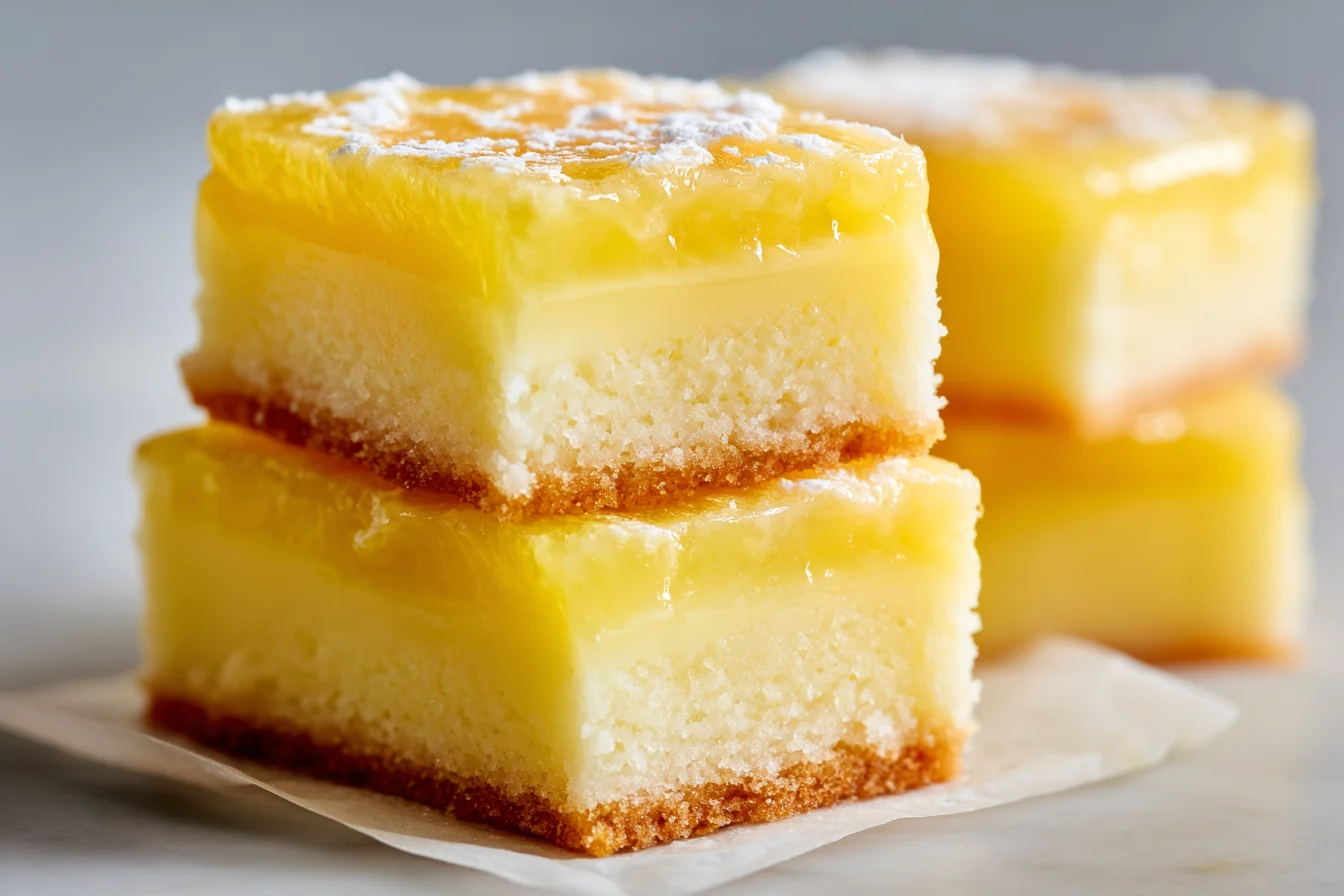
- Lemon curd petit fours pair tender sponge, bright curd, and silky glaze for an elegant, approachable French-patisserie experience at home.
- Master key techniques: whip eggs and sugar to pale ribbons, cook curd gently without boiling, and glaze at 90-95 F for best finish.
- Prepare components ahead: bake layers and make curd in advance; assemble and glaze shortly before serving for stress-free entertaining.
- Store refrigerated up to four days; freeze unglazed squares up to two months. Glazed petit fours do not freeze well.
Last Updated on July 6, 2026 by Souhail
This post contains affiliate links. As an Amazon Associate, we earn from qualifying purchases. This means we may earn a small commission if you purchase through our links, at no extra cost to you.
There’s something undeniably elegant about lemon curd petit fours. These delicate, jewel-like pastries combine tender sponge cake with bright, tangy lemon curd filling and a silky glaze that catches the light like edible art. Whether you’re planning an afternoon tea party, celebrating a special occasion, or simply craving something refined yet approachable, lemon curd petit fours deliver restaurant-quality results from your home kitchen.
I first encountered these little treasures at a French patisserie in Lyon, and I’ve been captivated ever since. The contrast between the soft cake, the vibrant filling, and the smooth coating creates a textural experience that feels luxurious with every bite. What makes them truly special is that while they look intimidating, the technique is actually quite manageable once you understand the fundamentals.
These petit fours represent the perfect balance of elegance and accessibility. Therefore, they’re ideal for home bakers who want to impress without spending an entire day in the kitchen. In addition, they store beautifully, making them perfect for advance preparation.
Table of contents
- Why You'll Love This Recipe
- Assembling Your Lemon Curd Petit Fours
- Professional Tips for Perfect Lemon Curd Petit Fours
- Creative Variations on Lemon Curd Petit Fours
- Understanding the Nutrition in Your Petit Fours
- Presenting Your Lemon Curd Petit Fours with Style
- Keeping Your Petit Fours Fresh and Delicious
- Common Questions About Lemon Curd Petit Fours
Why You’ll Love This Recipe
- These homemade lemon curd petit fours showcase a delicate sponge cake base paired with tangy lemon curd filling, creating a sophisticated dessert that tastes like it came straight from a French patisserie, yet requires no special equipment or advanced skills.
- You can prepare lemon curd petit fours ahead of time by baking the cake layers and making the curd filling days in advance, then assembling and glazing them shortly before serving, making them perfect for entertaining without last-minute stress.
- The combination of bright lemon flavors with sweet, tender cake creates a perfectly balanced petit four that impresses guests and satisfies even the most discerning palates while remaining light enough to enjoy multiple pieces.
- These elegant little cakes transform any occasion into something special, whether you’re hosting an intimate gathering, contributing to a bake sale, or simply treating yourself to a moment of refined indulgence.
Assembling Your Lemon Curd Petit Fours
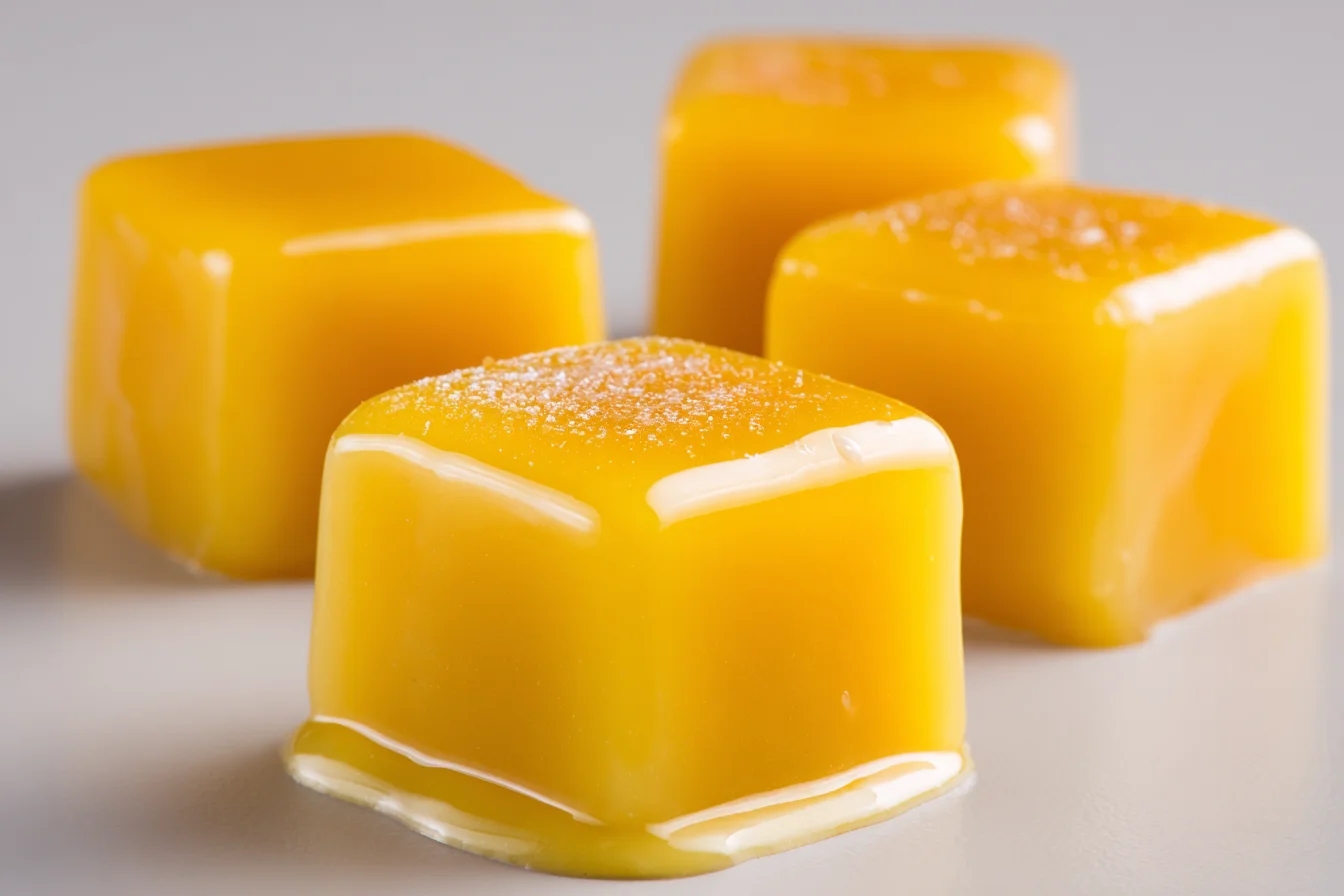

Lemon Curd Petit Fours
These elegant lemon curd petit fours feature delicate sponge cake layers filled with tangy homemade lemon curd and topped with a silky white glaze. Perfect for afternoon tea, special occasions, or impressing guests with restaurant-quality pastries from your home kitchen.
16
servings45
minutes35
minutes185
kcalKeep the screen of your device on
Ingredients
4 large eggs
0.5 cup granulated sugar
0.5 cup all-purpose flour
1 teaspoon vanilla extract
1 cup lemon curd filling
2 cups powdered sugar
3 tablespoons fresh lemon juice
2 tablespoons butter
1 pinch salt
1 tablespoon candied lemon slices
Directions
- Prepare your cake pans by preheating the oven to 350 degrees Fahrenheit and lining two eight-inch round cake pans with parchment paper.
- Whip the eggs and sugar together in a large mixing bowl using an electric mixer on medium-high speed for about five to seven minutes until the mixture becomes pale, thick, and forms ribbons when you lift the beaters.
- Gently fold in the flour and vanilla extract using a rubber spatula, folding carefully to maintain the aeration you’ve built into the eggs, using as few strokes as possible.
- Divide the batter evenly between your prepared cake pans and smooth the tops with an offset spatula for even baking.
- Bake for twelve to fifteen minutes until a toothpick inserted in the center comes out clean and the cakes spring back when lightly touched, then remove from the oven and cool in the pans for five minutes.
- Turn the cakes out onto wire cooling racks and cool completely before proceeding with assembly.
Notes
- Room temperature eggs whip to greater volume than cold eggs, resulting in a lighter, more delicate cake.
- For best results, make the lemon curd filling one day ahead to allow flavors to develop fully.
- Invest in a reliable instant-read thermometer to monitor glaze temperature precisely.
- These petit fours are best served at room temperature or slightly chilled for optimal flavor and texture.
- You can substitute store-bought lemon curd to save time, though homemade offers superior flavor.
Nutrition Facts
- Serving Size: 1
- Total number of serves: 16
- Calories: 185kcal
- Fat: 8g
- Carbohydrates: 22g
- Fiber: 2g
- Protein: 3g
Like this recipe?
Follow @wikitasty on Pinterest
Professional Tips for Perfect Lemon Curd Petit Fours
Creating beautiful lemon curd petit fours requires attention to detail, but nothing here is beyond a confident home baker. First, let me share the techniques that make the biggest difference in achieving professional results. These insights come from years of working with delicate pastries and fine-tuning each component.
Mastering the Sponge Cake
The foundation of your petit fours is a light, tender sponge cake. Therefore, proper technique matters significantly here. Whip your eggs and sugar to full volume, reaching pale ribbons that hold their shape briefly when you lift the beaters. This incorporates air, which gives the cake its delicate crumb. Then, fold in your flour gently with a rubber spatula, using as few strokes as possible to maintain that aeration. Overmixing deflates your carefully whipped eggs and results in a dense, heavy cake.
Creating Silky Lemon Curd Filling
Homemade lemon curd filling transforms these petit fours from ordinary to extraordinary. Cook your curd over gentle heat, stirring constantly to prevent scrambling the eggs. The mixture should coat the back of a spoon when ready. However, don’t let it boil, or you’ll end up with sweet scrambled eggs rather than smooth, luxurious filling. For food safety information about working with eggs, consult the FDA’s guidance on egg safety. Strain your finished curd through a fine-mesh sieve to remove any lumps or cooked egg bits, ensuring silky perfection.
Achieving the Perfect Glaze
The white glaze coating your petit fours should be smooth, opaque, and just thick enough to coat evenly without dripping excessively. In addition, temperature matters tremendously. Your glaze should be around 90-95 degrees Fahrenheit for optimal flow and appearance. Too warm, and it runs off the petit fours. Too cool, and it becomes thick and lumpy. A reliable instant-read digital thermometer takes the guesswork out of temperature control and ensures consistent results every time.
Cutting Neat, Even Squares
Use a sharp, thin-bladed knife dipped in hot water and wiped clean between each cut. This prevents the cake from tearing or dragging. For perfectly uniform petit fours, measure your cuts carefully or use a ruler as a guide. A serrated knife works well for the initial horizontal cuts through the layers, while a sharp paring knife excels at cutting the final squares. Patience here pays dividends in presentation.
Essential Equipment Investments
While you don’t need fancy equipment, a few quality tools make the process smoother. A professional pastry turntable helps you glaze petit fours smoothly and evenly. Additionally, offset spatulas and bench scrapers prove invaluable for assembly and plating.
Creative Variations on Lemon Curd Petit Fours
Once you master the classic lemon curd petit fours recipe, you can explore endless variations. Therefore, feel free to experiment with different flavors while maintaining the same technique. Here are some directions worth exploring that keep the essence of these elegant pastries intact.
Raspberry and Lemon Combination
Layer fresh raspberry jam with your lemon curd filling for a more complex flavor profile. The tartness of raspberries complements bright lemon beautifully. Consider adding a thin layer of raspberry jam between the cake and lemon curd, or swirling them together for visual appeal. This variation feels especially elegant at spring celebrations and pairs wonderfully with afternoon tea.
Lavender Lemon Twist
Infuse your lemon curd with a touch of culinary lavender for a sophisticated, floral note. Add one-quarter teaspoon of dried culinary lavender to your curd filling while cooking, then strain it out before setting. This subtle variation adds intrigue without overwhelming the lemon flavor. Top with a pale purple or lavender-tinted glaze for visual cohesion.
Coconut Lemon Variation
Toast shredded coconut and fold it into your sponge cake batter for a tropical twist. In addition, you can layer a thin coconut cream filling beneath the lemon curd. This variation brings warmth and depth to the bright citrus flavors. Toast your coconut lightly to avoid overpowering the delicate lemon profile.
Dairy-Free and Gluten-Free Options
For dairy-free petit fours, substitute butter with coconut oil or vegan butter in both the cake and curd. For the glaze, use coconut milk or oat milk mixed with powdered sugar and lemon juice. Gluten-free bakers can replace all-purpose flour with a quality gluten-free flour blend that includes xanthan gum. A high-quality gluten-free baking mix designed for pastries yields results remarkably similar to traditional flour. However, these adaptations may require slightly adjusted liquid ratios, so follow your specific product’s guidance carefully.
Miniature Versions for Cocktail Parties
Cut your petit fours into smaller one-inch squares for elegant cocktail party bites. These diminutive versions feel extra luxurious and allow guests to sample multiple flavor variations. They’re also perfect for plated dessert presentations at fine dining events. The smaller size means each bite delivers pure, concentrated flavor.
Understanding the Nutrition in Your Petit Fours
Each lemon curd petit four delivers approximately 185 calories, making them a reasonable indulgence for special occasions. The composition breaks down to roughly 22 grams of carbohydrates, 8 grams of fat, and 3 grams of protein per piece. Therefore, these petit fours work well as an elegant dessert course rather than a standalone meal.
The carbohydrates come primarily from the cake and glaze, while the fat comes from butter in the cake, curd filling, and glaze. In addition, the lemon curd provides some protein from the eggs. The sugar content is moderate at approximately 16 grams per petit four, which is typical for pastry-based desserts. If you’re concerned about sugar intake, you can reduce the sweetness slightly in the glaze while maintaining proper consistency.
These petit fours contain approximately 2 grams of fiber per serving, mostly from the flour. While not a significant source of fiber, this is typical for refined baked goods. The nutritional profile makes them suitable for portion-controlled indulgence, especially when paired with lighter meals or shared as part of a dessert sampler plate.
Presenting Your Lemon Curd Petit Fours with Style
Presentation transforms these petit fours from simply delicious to absolutely memorable. Therefore, consider your serving context and choose accordingly. For an elegant afternoon tea, arrange petit fours on a tiered cake stand alongside fresh berries and edible flowers. The visual drama elevates the entire experience. Alternatively, plate them individually on small white dishes with a drizzle of additional lemon curd and a sprig of fresh mint for garnish.
These petit fours pair beautifully with other citrus-forward desserts. For example, serve them alongside strawberry sheet cake for a vibrant dessert spread. You might also complement them with strawberry bread for a mixed-texture presentation. For a more elaborate dessert table, include hummingbird cupcakes alongside your lemon curd petit fours for variety and visual interest.
Consider the occasion when deciding how to garnish your petit fours. A simple candied lemon slice on top adds sophistication without fussiness. Alternatively, dust them lightly with powdered sugar or add a tiny piped rosette of whipped cream. Fresh lemon zest sprinkled on top just before serving adds brightness and signals the flavor within.
Keeping Your Petit Fours Fresh and Delicious
Proper storage ensures your lemon curd petit fours maintain their quality for several days. Therefore, keep them in an airtight container in the refrigerator for up to four days. The cool temperature preserves the glaze’s appearance and keeps the lemon curd filling at its best. Layer them between parchment paper to prevent the glaze from sticking together.
For longer storage, you can freeze unglazed petit fours for up to two months. Freeze them on a baking sheet until solid, then transfer to an airtight freezer container. When you’re ready to enjoy them, thaw at room temperature for about an hour, then glaze and serve. However, glazed petit fours don’t freeze as successfully because the glaze can crack or become uneven during thawing. In addition, the sponge cake maintains better texture when frozen unglazed.
The individual components store separately as well. Baked sponge cake layers keep in an airtight container for three days at room temperature or up to a week in the refrigerator. Lemon curd filling lasts up to two weeks refrigerated in a sealed jar. This means you can prepare components in advance and assemble your petit fours just before serving or glazing, making entertaining significantly less stressful.
Common Questions About Lemon Curd Petit Fours
I’ve received many questions about making these elegant petit fours successfully. Below, you’ll find answers to the most frequently asked questions that help ensure your baking experience goes smoothly and your results impress everyone who tastes them.
Yes, absolutely. You can bake the sponge cake layers up to three days in advance and store them in an airtight container. The lemon curd filling keeps for two weeks refrigerated. Assemble and glaze the petit fours the day before serving or up to four hours before your event. This advance preparation makes entertaining much less stressful.
Petit fours are small, individually portioned cakes, typically about one to two inches square, with refined presentation and elegant fillings. Unlike regular cakes, they feature multiple thin layers, precise cutting, and decorative glazes or toppings. Petit fours are designed as elegant, bite-sized desserts perfect for special occasions, while regular cakes are typically larger and less formally presented.
Yes, store-bought lemon curd works well if you’re short on time. However, homemade curd offers superior flavor and texture. If using store-bought, choose a high-quality brand and taste it first to ensure you like the flavor profile. You may need to adjust the amount slightly since commercial versions vary in consistency. Homemade curd takes only about fifteen minutes to prepare and elevates the entire petit four experience.
Temperature control is key. Your glaze should be around 90-95 degrees Fahrenheit for optimal consistency. If it’s too warm, it runs off. If too cool, it becomes thick and lumpy. Dip each petit four quickly and smoothly, allowing excess glaze to drip back into the bowl. A rotating cake stand helps you glaze evenly with minimal dripping. Practice with the first few to develop a feel for the right technique.
Since lemon curd contains raw eggs during initial preparation, follow food safety guidelines. Use pasteurized eggs or pasteurized egg products if you’re concerned about raw egg safety. Cook the curd to 160 degrees Fahrenheit, which pasteurizes the eggs. For more information, consult the CDC’s food safety prevention guidelines and general food safety information. Proper cooking temperature ensures both safety and the correct texture.
Now you’re ready to create your own beautiful lemon curd petit fours. Remember that perfection comes with practice, so don’t worry if your first batch isn’t flawless. Each time you make them, you’ll develop better instincts for glaze temperature, cutting technique, and assembly. These skills transfer beautifully to other petit four varieties and advanced pastry projects.
Most importantly, enjoy the process and savor the results. There’s genuine joy in creating something this elegant with your own hands. Share these petit fours with people you care about, and watch their faces light up when they taste the combination of tender cake, bright lemon curd, and silky glaze. That moment makes every careful step worthwhile. Happy baking!