
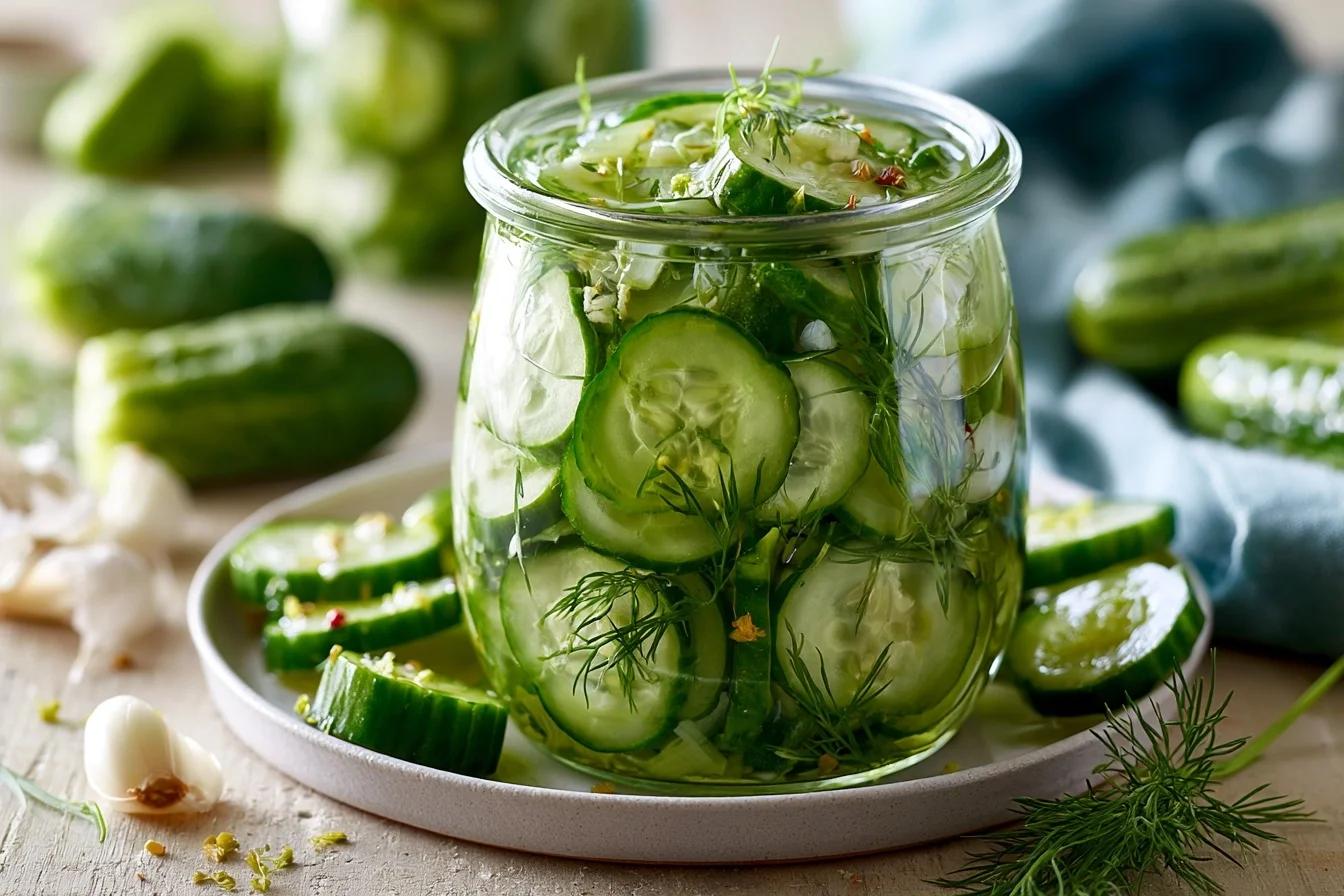
- No special equipment or canning needed; quick refrigerator dill pickles ready in about four hours and taste better after overnight.
- Choose fresh pickling cucumbers, trim the blossom end, and chill jars and brine to keep pickles extra crisp.
- Pack jars tightly so cucumbers stay submerged, refrigerate at 40°F or below, and enjoy pickles for up to three months.
Last Updated on July 27, 2026 by Simon
This post contains affiliate links. As an Amazon Associate, we earn from qualifying purchases. This means we may earn a small commission if you purchase through our links, at no extra cost to you.
There’s something magical about opening your refrigerator and pulling out a jar of homemade refrigerator dill pickles. The crisp crunch, the bright dill flavor, and that perfect tangy bite remind me why I fell in love with pickling in the first place. Unlike traditional canned pickles that require special equipment and processing, these quick pickles come together in minutes and taste phenomenal within just a few hours.
I’ve been making refrigerator dill pickles for years, and honestly, it’s one of the easiest ways to preserve cucumbers while keeping that fresh, vibrant taste. No pressure canning, no boiling water baths, no complicated sterilization process. You simply combine fresh cucumbers with vinegar, water, salt, and aromatic dill, then let the refrigerator do the work. The result? Crispy, delicious pickles that stay fresh for weeks.
Whether you’re a pickling novice or a seasoned pro, this recipe delivers restaurant-quality results every single time. I love serving these at barbecues, tucking them into lunchboxes, or simply snacking straight from the jar while cooking dinner. Let me walk you through how to make these incredible pickles at home.
Table of contents
- Why You'll Love This Recipe
- Let's Make Crispy Dill Pickles at Home
- Pro Tips for Perfect Refrigerator Dill Pickles
- Delicious Variations on Classic Refrigerator Dill Pickles
- Understanding the Nutrition in Your Homemade Pickles
- Serving Your Homemade Dill Pickle Creation
- Keeping Your Pickles Fresh and Delicious
- Common Questions About Making Refrigerator Dill Pickles
Why You’ll Love This Recipe
- This recipe requires zero special equipment or canning knowledge, making it perfect for beginners who want to try pickling without the intimidation factor of traditional methods.
- Your refrigerator dill pickles are ready to eat in just four hours, though they taste even better after sitting overnight, giving you quick gratification without the long wait.
- These homemade pickles stay fresh in your refrigerator for up to three months, meaning you can make a big batch and enjoy them throughout the season on sandwiches, in salads, or straight from the jar.
- The ingredient list is incredibly simple with just cucumbers, vinegar, water, salt, and fresh dill, so you control exactly what goes into your pickles without any artificial preservatives or additives.
- This versatile recipe adapts beautifully to your preferences, whether you want spicy heat, garlic intensity, or different herb combinations, giving you endless customization possibilities.
Let’s Make Crispy Dill Pickles at Home
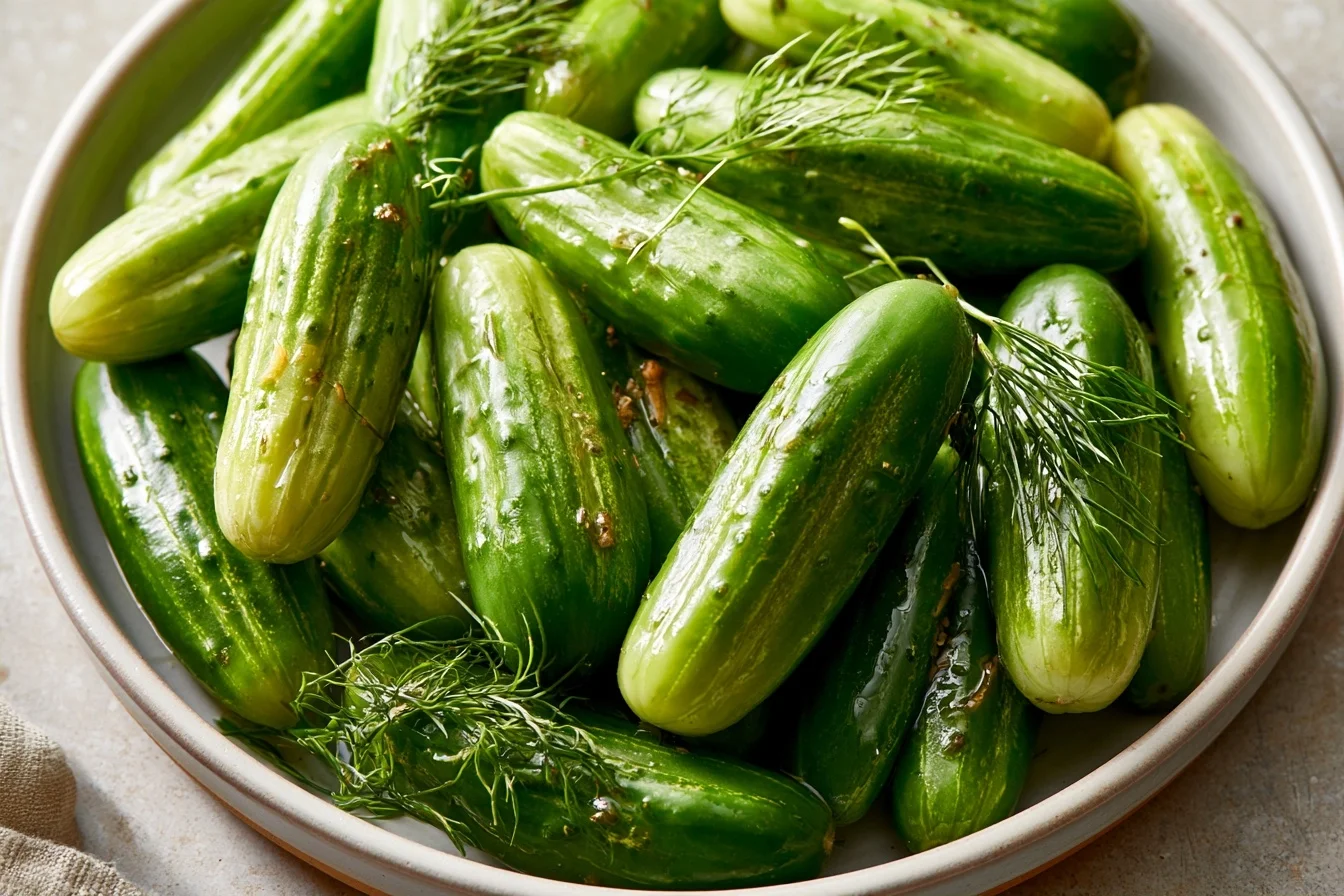

Refrigerator Dill Pickles
These easy refrigerator dill pickles are ready in just four hours with zero canning required. Fresh cucumbers, aromatic dill, and a simple vinegar brine create crispy, tangy pickles that stay fresh for months in your fridge.
32
servings15
minutes0
minutes16
kcalKeep the screen of your device on
Ingredients
2 pounds pickling cucumbers
2 cups white vinegar
2 cups water
2 tablespoons salt
4 sprigs fresh dill
4 cloves garlic
1 teaspoon black peppercorns
2 bay leaves bay leaves
Directions
- Prepare your cucumbers by rinsing them thoroughly under cold water and trimming off the blossom end (the end opposite the stem). This step prevents enzymes that soften pickles. Pat them dry with a clean kitchen towel.
- Make your brine by combining white vinegar, water, and salt in a medium saucepan. Stir until the salt dissolves completely. You don’t need to heat it; cold brine works perfectly for refrigerator pickles.
- Prepare your jars by placing fresh dill sprigs on the bottom of two quart-sized glass jars. Add sliced garlic, peppercorns, and bay leaves if using. These aromatics will infuse flavor throughout your pickles.
- Pack your cucumbers vertically or horizontally into the jars, standing them upright when possible. Pack them snugly so they stay submerged in the brine. Fill each jar about three-quarters full with cucumbers.
- Pour the brine over the cucumbers until they’re completely covered. Leave about half an inch of headspace at the top of each jar. Place additional dill sprigs on top if desired for extra flavor.
- Seal and refrigerate your jars with tight-fitting lids. Place them immediately in the refrigerator. Your pickles will be ready to eat in four hours, though overnight is even better for fuller flavor development.
Notes
- Always trim the blossom end of cucumbers to maintain crispness throughout storage.
- Use pickling cucumbers for the best texture; regular slicing cucumbers will be softer.
- Keep pickles fully submerged in brine to prevent mold and ensure even pickling.
- These pickles stay fresh in the refrigerator for up to three months.
- You can customize the brine with additional spices like mustard seeds, red pepper flakes, or coriander seeds.
Nutrition Facts
- Serving Size: 1
- Total number of serves: 32
- Calories: 16kcal
- Fat: 0g
- Carbohydrates: 1g
- Fiber: 0g
- Protein: 1g
Like this recipe?
Follow @wikitasty on Pinterest
Pro Tips for Perfect Refrigerator Dill Pickles
Making refrigerator dill pickles successfully comes down to a few key techniques that separate good pickles from exceptional ones. I’ve learned these tricks through countless batches, and they truly make a difference in texture, flavor, and longevity. Let me share what works best in my kitchen.
Choose the Right Cucumbers
The foundation of great pickles starts with selecting the right cucumbers. Pickling cucumbers, also called Kirby cucumbers, are shorter and have thinner skin than slicing varieties. Therefore, they absorb the brine faster and stay crunchier during storage. If you can’t find pickling cucumbers, use the smallest slicing cucumbers you can find, though the texture won’t be quite as crisp.
Pick Them Fresh and Use Them Quickly
Freshness matters tremendously with quick pickles. Use your cucumbers the same day you pick or purchase them if possible. As cucumbers sit, they lose their firmness and become softer. This is why farmers market cucumbers often make superior pickles compared to grocery store varieties that may have traveled long distances.
Trim the Blossom End
Always cut off the blossom end of each cucumber, the end opposite the stem. This end contains enzymes that can soften your pickles over time. Removing it ensures your refrigerator dill pickles stay crisp throughout their storage life. It’s a small step that makes a real difference in texture.
Use Fresh Dill and Quality Vinegar
Fresh dill creates incomparably better flavor than dried dill. The aromatic oils in fresh dill infuse the brine beautifully. Additionally, use white vinegar or apple cider vinegar with at least five percent acidity. This acidity level ensures proper preservation and gives you that signature tangy bite. Avoid fancy vinegars that might have added sugars or flavors competing with your dill.
Pack Your Jars Strategically
Don’t just throw cucumbers into a jar randomly. Stand them upright or pack them tightly so they stay submerged in the brine. Cucumbers that float above the liquid won’t pickle properly and may develop soft spots or mold. Fill your jar with dill sprigs and garlic first, then pack cucumbers snugly, finishing with more aromatics on top.
Chill Everything Before Starting
Here’s a professional trick: refrigerate your jars, cucumbers, and even your brine ingredients before combining them. This cold start helps the cucumbers stay crisp and accelerates the pickling process. The cold temperature also prevents any unwanted bacterial growth during those crucial first hours.
Delicious Variations on Classic Refrigerator Dill Pickles
While the classic version is absolutely wonderful, refrigerator dill pickles offer tremendous flexibility for customization. Therefore, feel free to experiment with different spices, vegetables, and flavor combinations. Here are some of my favorite variations that keep things interesting throughout the pickling season.
Spicy Garlic Dill Pickles
For those who love heat, add sliced red chili peppers or red pepper flakes to your brine. I typically add two to three dried red chilies or one-half teaspoon of red pepper flakes per quart jar. Combine this with extra garlic cloves, and you’ve created a seriously addictive spicy pickle. The dill mellows the heat beautifully while the garlic adds depth and complexity.
Bread and Butter Pickles
If you prefer sweeter pickles, adjust your brine by adding one-quarter cup of sugar and reducing vinegar slightly. Add mustard seeds, turmeric, and cinnamon sticks for classic bread and butter flavor. Slice your cucumbers into coins rather than spears, creating the perfect topping for burgers and hot dogs.
Dill Pickle Spears for Snacking
Cut your cucumbers lengthwise into spears instead of leaving them whole. Spears are perfect for snacking straight from the jar or serving alongside crispy fried pickles. The increased surface area means faster flavor absorption, so your spears will be perfectly seasoned in just two to three hours.
Herb Garden Medley
Beyond dill, experiment with fresh tarragon, thyme, oregano, or cilantro. In addition, try mixing several herbs together for a complex flavor profile. Fresh herbs infuse beautifully into the brine, creating sophisticated pickles that elevate any charcuterie board or appetizer spread.
Pickling Mix-Ins and Flavor Boosters
Add sliced onions, celery, bell peppers, or cauliflower florets to your jars alongside the cucumbers. Try adding dill pickle-flavored snack mixes ingredients like peppercorns, bay leaves, or mustard seeds. Each addition creates unique flavor combinations while maintaining that essential dill character.
Understanding the Nutrition in Your Homemade Pickles
Refrigerator dill pickles are an incredibly healthy addition to your diet. One serving contains just sixteen calories, making them perfect for snacking without guilt. The low calorie count comes from the fact that cucumbers are ninety-five percent water, providing volume and satisfaction with minimal energy content.
Each serving delivers zero grams of fat and less than one gram of carbohydrates, making these pickles suitable for virtually any dietary approach. The sodium content comes from the salt in the brine, which you control by adjusting the recipe to your preferences. If you’re watching sodium intake, you can reduce the salt slightly, though this may affect preservation time.
The real nutritional magic happens with the probiotics and enzymes present in fermented pickles. While refrigerator pickles aren’t technically fermented like traditional lacto-fermented versions, they still provide beneficial compounds from the vinegar and fresh dill. Dill itself offers antioxidants and anti-inflammatory properties. Therefore, enjoying these pickles supports digestive health and overall wellness. For a flavor-packed, nutrient-dense side dish, try pairing your pickles with a refreshing cucumber salad for double the fresh vegetable benefits.
Serving Your Homemade Dill Pickle Creation
The beauty of refrigerator dill pickles is their versatility across countless dishes and occasions. Serve them as a crisp, refreshing side at summer barbecues alongside burgers and hot dogs. The acidity cuts through rich meats beautifully, cleansing your palate between bites. I also love arranging pickle spears on charcuterie boards next to cheeses, cured meats, and crackers for an impressive appetizer spread.
Beyond traditional serving, get creative with your pickles. Chop them finely and mix into potato salad or coleslaw for extra crunch and tang. Layer them on sandwiches and wraps for brightness and texture. Use the brine as a salad dressing base or marinade for grilled vegetables. Serve pickle spears alongside cheese and charcuterie for an easy entertaining solution. In addition, don’t overlook the simple pleasure of eating them straight from the jar as a snack.
For entertaining, arrange your homemade refrigerator dill pickles in a beautiful serving dish with fresh dill sprigs and lemon wedges for visual appeal. Your guests will be impressed knowing you made them from scratch. The homemade touch always elevates a casual gathering into something special.
Keeping Your Pickles Fresh and Delicious
Proper storage ensures your refrigerator dill pickles maintain their crispness and flavor for months. Always keep your jars in the refrigerator, never at room temperature. The cold temperature stops the pickling process and prevents spoilage. Use glass jars with tight-sealing lids, as these prevent contamination and maintain freshness better than plastic containers.
Your pickles will stay fresh for up to three months when stored properly in the refrigerator. The flavor actually improves during the first two weeks as the dill and spices continue infusing the cucumbers. After three months, the pickles may become softer, though they’re still safe to eat if they haven’t developed any off odors or mold. Always check for signs of spoilage before eating, including cloudy brine, slimy texture, or unusual smells.
If you want to freeze your pickles for longer storage, you can, though the texture will become softer after thawing. Freezing works best if you plan to use them in cooked dishes rather than eating them fresh. For best results, freeze them in the brine and use within six months. Simply thaw in the refrigerator before using.
Common Questions About Making Refrigerator Dill Pickles
I get lots of questions about refrigerator dill pickles from home cooks just starting their pickling journey. Below, I’ve answered the most common questions to help you succeed with this recipe and troubleshoot any issues that might come up.
Your refrigerator dill pickles will be ready to eat in about four hours, though they taste even better after sitting overnight. The flavor continues to develop over the first two weeks of storage.
While you can use regular slicing cucumbers, pickling cucumbers are ideal because they have thinner skin and stay crunchier. If using slicing cucumbers, choose the smallest ones available and expect slightly softer results.
No, refrigerator dill pickles don’t require any canning or processing. They’re stored in the refrigerator where they stay fresh for up to three months. This makes them perfect for beginners who want to avoid traditional canning equipment.
Soft pickles usually result from using old cucumbers, not removing the blossom end, or storing them too long. Always use fresh cucumbers, trim the blossom end, and consume within three months for best crispness.
You can reuse the brine once or twice, though the flavor will be less intense. Add fresh dill and spices when making a new batch. However, if the brine shows any signs of cloudiness or off-odors, discard it and start fresh.
Store your pickles in glass jars with tight-sealing lids in the refrigerator at forty degrees Fahrenheit or below. Keep them fully submerged in brine to prevent mold growth and maintain crispness throughout storage.
Making your own refrigerator dill pickles transforms a simple cucumber into something truly special. The process is so straightforward that you’ll wonder why you haven’t been doing this all along. Once you taste these crispy, flavorful homemade pickles, you’ll never look at store-bought versions the same way again.
So grab some fresh cucumbers and dill from your garden or farmers market, and give this recipe a try this week. I promise you’ll be amazed at how easy it is to create restaurant-quality pickles in your own kitchen. Happy pickling, and enjoy every single crispy, delicious bite.