
Last Updated on April 19, 2026 by Souhail
This post contains affiliate links. As an Amazon Associate, we earn from qualifying purchases. This means we may earn a small commission if you purchase through our links, at no extra cost to you.
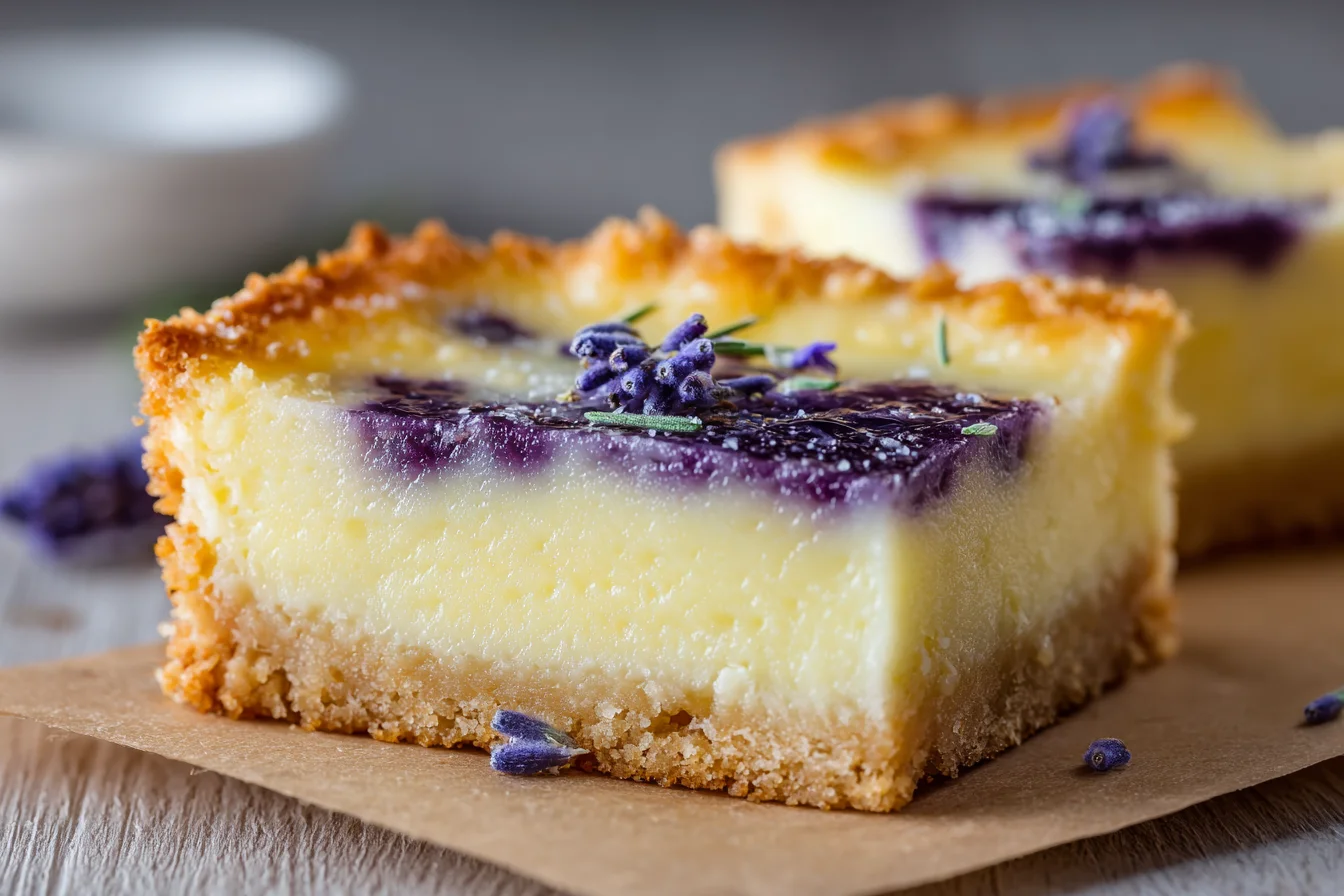
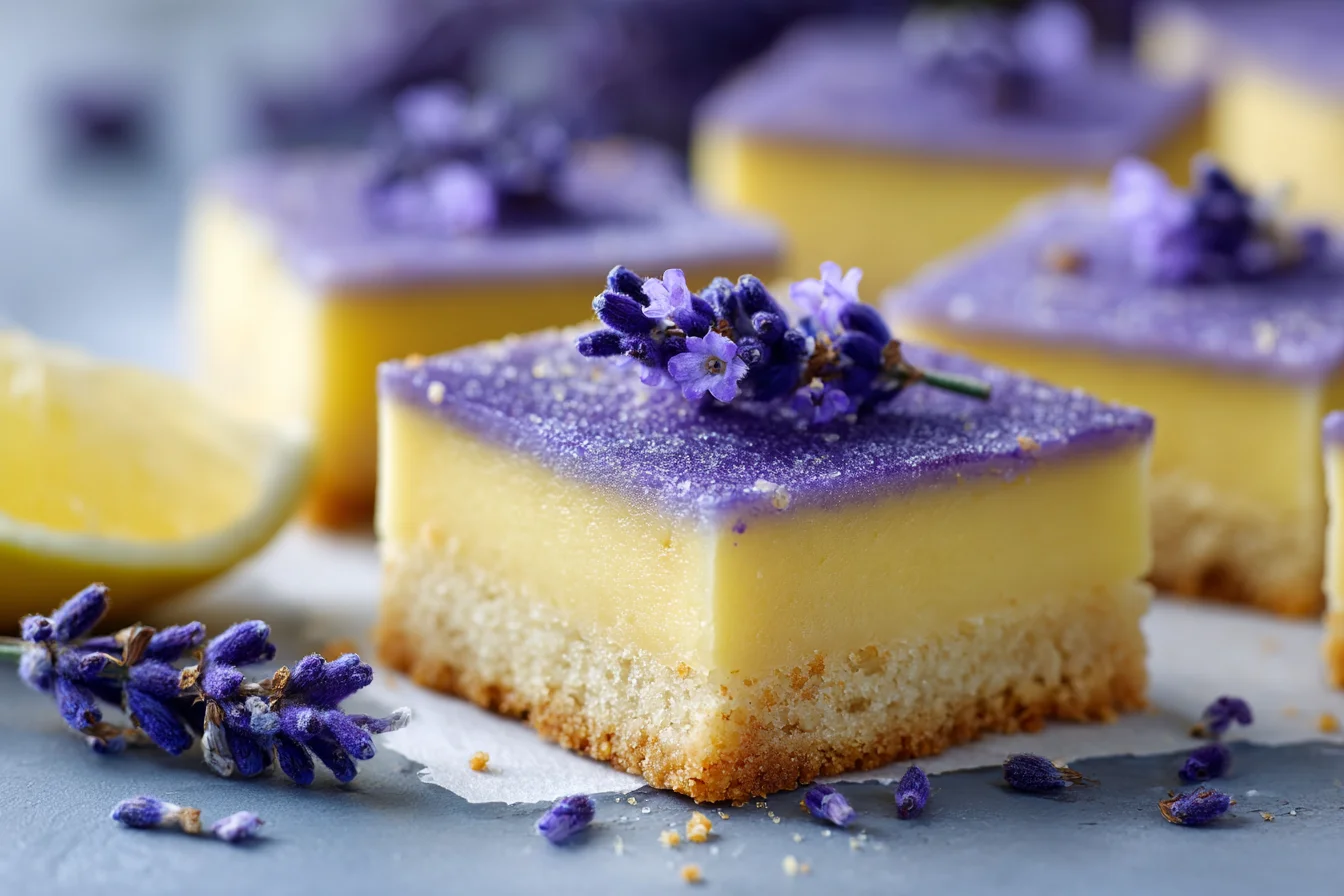
If you’re looking for a dessert that feels both elegant and approachable, Lavender Lemon Bars with Shortbread Crust deserve a permanent spot in your recipe collection. These bars combine the delicate floral notes of culinary lavender with bright, zesty lemon filling—all anchored by a buttery shortbread base that practically melts on your tongue. The combination sounds fancy, yet the technique remains straightforward enough for home bakers of all skill levels.
I first discovered this flavor pairing at a spring farmers market in California, where a local baker was selling these exact bars. One bite transported me instantly. The tartness of the lemon played beautifully against the subtle sweetness of lavender, creating something memorable without being overwhelming. Since then, I’ve made these bars countless times—for dinner parties, afternoon tea, and simply because I craved that perfect balance of floral and citrus.
What makes Lavender Lemon Bars with Shortbread Crust so special is their versatility. They work as an elegant dessert for spring gatherings, a refreshing treat during summer months, or even a sophisticated addition to a holiday dessert spread. The shortbread crust provides structural integrity while delivering that coveted buttery flavor that makes people ask for seconds.
Table of contents
Why You’ll Love This Recipe
- These lavender lemon bars deliver sophisticated flavor that impresses guests while remaining simple enough for weeknight baking, requiring just one bowl for the filling and straightforward layering technique.
- The buttery shortbread crust provides the perfect textural contrast to the creamy, tangy filling, creating a dessert bar that satisfies every craving without feeling heavy or overly sweet.
- This recipe comes together in approximately one hour of active work, with most time spent in the oven, making it ideal for entertaining or meal prep when you want homemade desserts without stress.
- The floral and citrus combination makes these bars naturally suitable for spring and summer gatherings, offering a refreshing alternative to traditional chocolate or vanilla desserts that feels special and memorable.
- These bars store beautifully for several days, allowing you to bake ahead of time or enjoy fresh dessert throughout the week without compromising quality or flavor.
Let’s Make These Beautiful Bars

Lavender Lemon Bars with Shortbread Crust
These elegant Lavender Lemon Bars feature a buttery shortbread crust topped with a creamy, tangy lemon filling infused with delicate culinary lavender. Perfect for spring gatherings, afternoon tea, or whenever you crave sophisticated homemade dessert.
12
servings20
minutes35
minutes185
kcalKeep the screen of your device on
Ingredients
1.5 cups all-purpose flour
0.5 cup butter
0.25 cup granulated sugar
0.25 teaspoon sea salt
3 large eggs
1 cup granulated sugar
0.5 cup fresh lemon juice
1.5 teaspoons culinary dried lavender buds
2 tablespoons all-purpose flour
0.5 teaspoon baking powder
2 tablespoons powdered sugar
Directions
- Preheat your oven to 350°F (175°C) and line an 8×8-inch baking pan with parchment paper, leaving slight overhang on two sides for easy removal.
- Prepare the shortbread crust by combining sifted flour, cold butter cubes, granulated sugar, and sea salt in a food processor. Pulse until the mixture resembles coarse breadcrumbs with pea-sized butter pieces remaining.
- Press the shortbread mixture firmly and evenly into the prepared pan, creating a compact layer across the bottom. Use the bottom of a measuring cup to flatten and smooth the surface.
- Bake the crust for 12-15 minutes until pale golden but not brown. Remove from the oven and let cool slightly while you prepare the filling.
- Whisk together the eggs and one cup of granulated sugar in a medium bowl until pale and fluffy, approximately 2-3 minutes of vigorous whisking.
- Add the lemon juice to the egg mixture and whisk until fully combined. The mixture should be smooth and homogeneous with no streaks of egg white remaining.
Notes
- Use only culinary-grade dried lavender, never ornamental varieties from craft stores
- Fresh lemon juice is essential; bottled juice will not deliver the same brightness and complexity
- Do not overbake the filling—slight jiggling in the center is perfect and indicates proper doneness
- These bars develop deeper flavor after one day, so bake ahead if possible
- Store in an airtight container at room temperature for up to three days or refrigerate for up to five days
Nutrition Facts
- Serving Size: 1
- Total number of serves: 12
- Calories: 185kcal
- Fat: 9g
- Carbohydrates: 24g
- Fiber: 0g
- Protein: 2g
Like this recipe?
Follow @wikitasty on Pinterest
Mastering Your Lavender Lemon Bars with Shortbread Crust
Creating the perfect batch of lavender lemon bars requires attention to a few key details. The good news? None of them are difficult. First, invest in culinary-grade dried lavender buds rather than ornamental varieties. Second, don’t skip sifting your flour for the crust. Third, let your shortbread base cool completely before pouring the filling. These small steps transform good bars into exceptional ones.
Selecting Quality Lavender
Culinary lavender differs significantly from ornamental lavender sold at craft stores. Look for organic, food-grade dried lavender buds with a strong floral aroma. The flavor should be fragrant but not perfume-like. If you’re uncertain, purchase from specialty spice shops or trusted online retailers. A little goes a long way—resist the urge to double the lavender or your bars will taste soapy rather than floral.
Perfecting Your Shortbread Base
The shortbread crust requires cold butter and minimal mixing. Therefore, cut cold butter into small cubes and work quickly. Overworking the dough develops gluten, resulting in a tough rather than tender crust. Press the dough evenly into your prepared pan, then bake until golden but not brown. This pre-baking step prevents a soggy bottom layer once you add the filling.
Getting the Lemon Filling Right
Fresh lemon juice matters tremendously here. Bottled juice simply won’t deliver the same brightness and complexity. Whisk your eggs thoroughly before combining with other ingredients—this incorporates air and creates a lighter, fluffier filling texture. Additionally, strain your filling mixture through fine mesh before pouring. This removes any lumps and ensures a silky, professional appearance. Consider using a fine mesh strainer for baking to achieve this smoothness easily.
Achieving the Perfect Bake
Overbaking is the enemy of creamy lemon bars. The filling should jiggle slightly in the center when you gently shake the pan. It will continue cooking as it cools. If you bake until completely set in the oven, the bars will be dry and rubbery. Use a toothpick inserted near the edge—it should come out clean, but the very center should still have a slight wobble.
Creative Variations on This Classic
While the classic combination is hard to beat, these bars welcome creative adaptations. Whether you’re working with dietary restrictions or simply want to experiment, several variations maintain the essential character of this dessert. The shortbread base remains consistent, but the filling and garnish options expand your possibilities considerably.
Honey Lavender Variation
Replace half the sugar in the filling with honey for deeper floral notes and added moisture. Honey amplifies lavender’s subtle sweetness while reducing the tartness slightly. This version works beautifully for those who prefer less acidic desserts. The result feels richer and more luxurious, reminiscent of Mediterranean pastries.
Gluten-Free Shortbread Crust
Substitute all-purpose flour with a one-to-one gluten-free flour blend. The shortbread will bake slightly faster, so monitor carefully. Add one tablespoon of cornstarch to improve texture and prevent grittiness. The filling remains completely unchanged. These bars satisfy gluten-free guests without compromising flavor or texture, making them perfect for inclusive entertaining.
Dairy-Free Alternative
Use vegan butter in the shortbread crust and coconut milk in the filling instead of eggs and regular milk. The texture differs slightly—less custard-like, more cake-like—but remains delicious. Replace eggs with a commercial egg replacer following package directions. This adaptation allows everyone at your table to enjoy these sophisticated bars, regardless of dietary choices.
Blueberry Lavender Twist
Scatter fresh or frozen blueberries over the shortbread crust before adding the lemon filling. The berries add tartness, textural interest, and visual appeal. Blueberries complement both lavender and lemon beautifully, creating a more complex flavor profile. This variation feels particularly special for spring brunches or summer gatherings. Try pairing this with other floral desserts like baby in bloom cookies for a cohesive theme.
Brown Butter Shortbread Enhancement
Brown your butter before incorporating it into the shortbread crust. This adds nutty depth that complements the floral filling beautifully. Brown butter requires slightly more attention during preparation, but the payoff justifies the effort. The result feels more sophisticated and adds another layer of flavor complexity to an already elegant dessert.
Understanding the Nutrition Profile
Each bar provides approximately 185 calories, making these a reasonable indulgence for dessert lovers. The shortbread base contributes most of the fat content—about 9 grams per serving—while the lemon filling adds brightness without excessive calories. You’ll find roughly 24 grams of carbohydrates and just 2 grams of protein per bar. The sugar content sits around 15 grams, which reflects the dessert nature of this treat.
These bars contain no fiber, so they won’t keep you full for extended periods. However, the rich flavor means smaller portions often satisfy. One bar typically provides enough sweetness and satisfaction without triggering the desire for additional dessert. If you’re tracking macros carefully, consider pairing these with a protein-rich beverage like Greek yogurt or nuts to create more balanced nutrition. For comparison, you might enjoy similar portions when serving strawberry sheet cake at gatherings.
The fat content comes primarily from butter and eggs, providing satiety and contributing to the bars’ tender crumb structure. Carbohydrates come from flour and sugar, fueling energy without excessive refinement. While not a health food, these bars fit into balanced diets when enjoyed in moderation. The sophisticated flavor profile means you’ll feel satisfied with smaller portions compared to less flavorful desserts.
Pairing and Presenting These Bars
Serve these lavender lemon bars at afternoon tea with Earl Grey or chamomile tea. The floral notes echo beautifully across both the tea and dessert, creating a harmonious tasting experience. For a modern twist, pair with sparkling lemonade or a crisp white wine like Sauvignon Blanc. The acidity complements the bars’ tartness while the bubbles provide refreshment.
Presentation elevates these bars from simple to stunning. Dust the top generously with powdered sugar just before serving—this creates an elegant appearance and adds subtle sweetness. For special occasions, garnish with fresh lavender sprigs or candied lemon slices. Stack bars in clear glass containers for gifts, or arrange on a tiered cake stand for afternoon entertaining. The pale yellow filling with snowy white topping naturally photographs beautifully, making these perfect for food blogging or social media sharing.
Consider serving these alongside other spring-inspired treats for a complete dessert spread. These bars work wonderfully with shortbread-based desserts like shamrock sugar cookies for holiday entertaining. The consistent texture across different treats creates visual and textural harmony. For casual gatherings, simply arrange bars on a platter with fresh berries and edible flowers for garnish.
Keeping Your Bars Fresh and Delicious
Store lavender lemon bars in an airtight container at room temperature for up to three days. Therefore, they remain fresh and maintain their tender texture. For extended storage, refrigerate in a covered container for up to five days. The bars actually develop deeper flavor after a day or two, so don’t hesitate to bake ahead. Cold bars slice more cleanly than room-temperature ones, so chill before cutting if you prefer neat portions.
Freezing works beautifully for longer storage. Wrap individual bars tightly in plastic wrap, then place in a freezer-safe container with parchment between layers. They’ll keep frozen for up to three months. Thaw at room temperature for approximately one hour before serving. Do not attempt to reheat these bars, as they’re enjoyed cold or at room temperature. The texture remains optimal when thawed gently rather than warmed. Consider using glass storage containers for freezing to protect your bars and reduce freezer burn.
For food safety guidance, always follow proper storage practices with recipes containing eggs. The FDA provides comprehensive information about egg safety, and the CDC offers food safety prevention guidelines to keep your kitchen practices optimal. These resources help ensure your homemade desserts remain safe and delicious. For general food safety information, consult these trusted sources regularly.
Questions You Might Have
I’ve gathered the most common questions I receive about making Lavender Lemon Bars with Shortbread Crust. Whether you’re concerned about ingredient substitutions, baking techniques, or storage methods, you’ll find answers below. These questions come from real home bakers who’ve made this recipe and want to perfect their results.
No, you should only use culinary-grade dried lavender. Ornamental lavender from craft stores may contain pesticides and additives not safe for consumption. Purchase food-grade lavender from specialty spice shops, farmers markets, or trusted online retailers. The flavor and safety differ significantly between culinary and decorative varieties.
Wet bars typically result from underbaking. The filling should jiggle slightly in the center but set around the edges. If you’ve already baked them, refrigerate for several hours—this helps the filling set firmer. For future batches, bake a few minutes longer but watch carefully to avoid overbaking, which creates dry, rubbery bars. The filling continues cooking as it cools, so remove from the oven while still slightly jiggly in the very center.
Reduce the lavender by half next time. Start with just one-quarter teaspoon and taste the filling before baking. You can always add more, but you cannot remove it once baked. Remember that lavender flavor intensifies slightly during baking and cooling. If you’ve already made overly-flavored bars, serve them with whipped cream or vanilla ice cream to dilute the floral intensity.
Yes, use a commercial egg replacer following package directions, or substitute with aquafaba (the liquid from canned chickpeas). However, the texture will differ—less custard-like, more cake-like. The flavor remains delicious. For best results with egg-free versions, use full-fat coconut milk instead of regular milk to maintain richness. These adaptations work well for vegan diets while keeping the bars delicious and satisfying.
Tough shortbread results from overworking the dough, which develops gluten. Mix minimally until the dough just comes together. Use cold butter and work quickly. Avoid kneading or excessive stirring. Additionally, ensure you’re using the correct flour-to-butter ratio. Too much flour creates dryness and toughness. If your next batch is still tough, reduce mixing time further and ensure your butter is properly chilled before starting.
I genuinely hope you’ll bake these lavender lemon bars soon. They’re the kind of dessert that makes people feel special, yet requires no fancy equipment or advanced techniques. The combination of floral and citrus flavors creates something memorable without being pretentious. Whether you’re baking for yourself, your family, or guests, these bars deliver satisfaction every single time.
Start with the classic version, then experiment with variations as you grow comfortable with the process. Each batch teaches you something new about flavor balance and baking technique. Before long, you’ll be making these bars confidently and perhaps even sharing your own creative twists with friends. Happy baking, and enjoy every delicious bite.